The Munich Security Conference turned into a spectacle for American politics when Hillary Clinton gave high praise to Rep. Sarah McBride and put him front and center on a panel titled “Girls Just Want to Have Fundamental Rights: Fighting the Global Pushback,” drawing sharp reactions at home about gender, representation, and what counts as women’s advocacy.
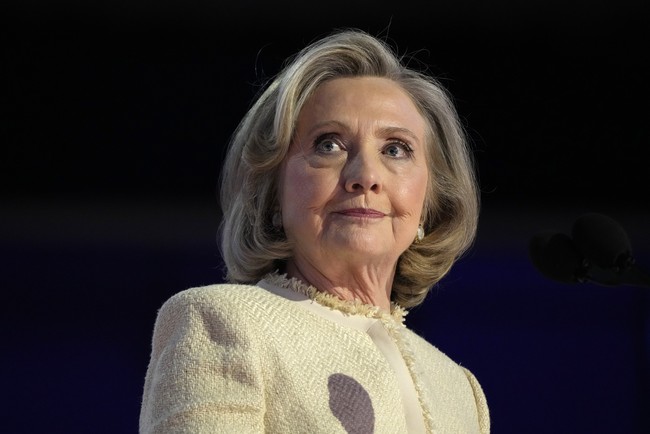
At the conference, Hillary Clinton introduced Rep. Sarah McBride using language that framed him as a champion of gender causes, calling him a “congresswoman” who has worked “to truly bring people together around issues of gender” while “on the front lines of this fight.” The introduction was striking for many observers because it signaled an embrace of identity over biological distinctions in a forum about women’s rights.
Clinton’s remarks did more than compliment a colleague; they sent a message about how the Democratic establishment defines leadership on gender questions. Her framing suggested that existing political leaders should accept and promote gender identity positions, even when those stances clash with long-standing debates about sex-based protections and women’s spaces.
🚨 INSANE: Hillary Clinton is over at the Munich Security Conference hosting a “Fundamental Rights for Woman” panel, and the first speaker is MAN PRETENDING TO BE A WOMAN
US Rep. “Sarah” McBride
You can’t make this sh*t up 🤣
“Threats towards trans people are threats towards… pic.twitter.com/6YTY54wDqZ
— Nick Sortor (@nicksortor) February 14, 2026
When Clinton warned about attacks on McBride, she implied those who raise biological concerns are participating in “an organized effort” to intimidate. That line reframed critics as aggressors and discouraged open debate by casting disagreement as harassment rather than policy dispute or philosophical dissent.
McBride himself leaned into combative language, labeling opponents of contemporary gender ideology a “well organized, well funded, right-wing regressive movement.” He also argued that critics are doing harm to “women of all backgrounds” and asserted that “threats towards trans people are threats towards all women.” Those words underline the ideological stakes he sees in the debate.
From a Republican perspective, the episode exposed a broader problem: political elites promoting a narrow orthodoxy and expecting institutions to follow. Many Americans want clear, rational discussion about how to protect women’s rights without erasing the reality of biological sex, but events like this suggest that dissent will be publicly shamed.
The appearance of a transgender congressman headlining a panel on women’s rights also raises practical questions about policy priorities. Advocates on the right stress that women’s sports, shelters, and legal definitions are areas where precise sex-based protections matter, and they worry those concerns were sidelined in favor of affirming identity politics at an international gathering.
Global forums like the Munich Security Conference matter because they shape how allied nations discuss social policy and human rights. When American figures visibly champion contentious positions without acknowledging opposing arguments, it weakens the case for thoughtful, evidence-based policymaking and fuels polarization back home.
Reaction on the right was swift and blunt, with critics calling the scene emblematic of a party out of touch with mainstream voters who want clarity on sex-specific issues. Conservatives argue that labeling dissent as bigotry or organizing against identity-driven policy shuts down democratic debate and denies voters a real choice.
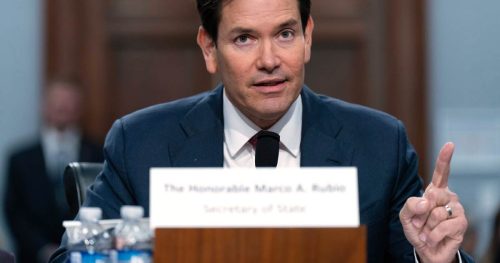
The same conference featured other Democratic figures whose performances drew headlines for different reasons, while some conservative voices, including Secretary of State Marco Rubio, were noted for speeches defending Western civilization and clear rhetorical grounding. That contrast fed a narrative that the GOP represents sober, traditional arguments about national identity and institutions.
Beyond the theater of high-profile introductions and soundbites, the core dispute remains policy-focused: how to balance civil rights protections, religious freedom, and the integrity of sex-based policies in law and public life. Republicans maintain that protecting women’s spaces and ensuring fair competition should not be sacrificed to accommodate ideological redefinitions of sex.
Events like this underscore why voters care about cultural issues as much as foreign policy. When prominent Democrats embrace controversial positions and dismiss critics, it reinforces the sense among many Americans that elected leaders prioritize ideological signaling over practical governance and consensus-building.