Summary: US and Israeli forces launched coordinated airstrikes across Iran after weeks of buildup and warnings from President Trump, striking key targets and escalating a campaign intended to blunt Tehran’s nuclear ambitions while Tehran threatens retaliation.
For weeks President Trump warned Iran the cost of refusing a meaningful nuclear settlement would be severe, and those warnings were backed by a visible U.S. military buildup in the region. Tehran has been weaker since last summer’s Operation Midnight Hammer, but it has still been preparing for conflict by dispersing assets, hardening facilities and cracking down at home. The deployment of American force alongside Israeli planning set the stage for what many now call a decisive moment.
Negotiations failed to produce the concessions Washington demanded, and with a deadline passed, strikes began. Reports say assassination-style attacks hit areas around Tehran and then expanded across the country roughly an hour after the deadline expired, signaling a coordinated campaign. The president has repeatedly insisted that Tehran “would never be able to acquire nuclear weapons,” and that stance framed the decision to strike.
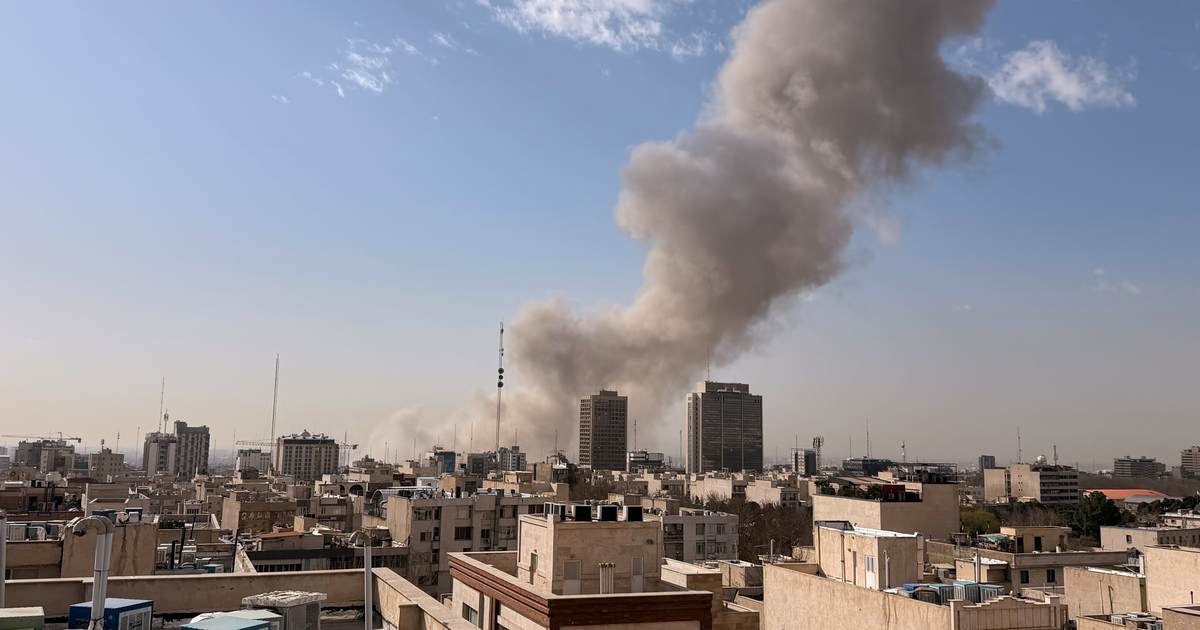
The U.S. and Israel said they launched an attack on Iran on Saturday, a joint operation that risks a wider regional conflict in one of the most economically sensitive parts of the world.
🚨 BREAKING
Moments ago, Israel launched preemptive military strikes on Iran, with reports stating the United States also played a role.pic.twitter.com/Ymj4Q1KrCK
— Townhall.com (@townhallcom) February 28, 2026
Defense Minister Israel Katz announced the Israeli strike and declared an immediate state of emergency in all areas of Israel. The U.S. participated in the attack and was also carrying out strikes, a U.S. official said.
The attack was preceded by a monthlong U.S. military buildup that followed President Trump’s pledge to come to the aid of protesters who rocked the regime at the beginning of January. The president repeatedly warned Iran it could face military action if it failed to give up its nuclear program. Vice President JD Vance said Feb. 17 that Tehran’s offers in two rounds of negotiations had fallen short of U.S. demands.
Iran’s top officials have warned the country would retaliate against any attack and that even the smallest strike could trigger a regionwide war. The country had steeled itself for a conflict, mobilizing its forces, hardening its nuclear facilities, dispersing decision making authority and cracking down on internal dissent.
Within hours Israel closed its airspace and moved into a heightened security posture, and cities across the country went into lockdown as defensive systems remained on alert. Civilian authorities coordinated with military commanders to protect population centers while operations continued against Iranian sites. The scale of the strikes and the urgency of the response show this campaign is designed to be unmistakable and to deny Tehran the chance to regroup quietly.
This is not a repeat of Midnight Hammer. These are targeted strikes aimed at degrading Iran’s ability to project power and to stop a nuclear breakout, carried out as part of a broader offensive campaign. There was an opening to negotiate, but the offers from Tehran failed to meet core demands; politically and militarily, leaders judged force was necessary to protect American and allied security. “They had a chance to talk. They fumbled it. Now, we have to bomb them.”
Military planners warn the air campaign may stretch over days as precision strikes, follow-up missions and damage assessments continue, with commanders trying to minimize civilian harm while maximizing pressure on regime capabilities. Iran’s leaders have vowed retaliation and used combative rhetoric, including threats of a “crushing” response, raising the risk of wider clashes across the region. The information environment has been noisy, with disinformation and multimedia used by both sides to shape domestic and international perceptions.
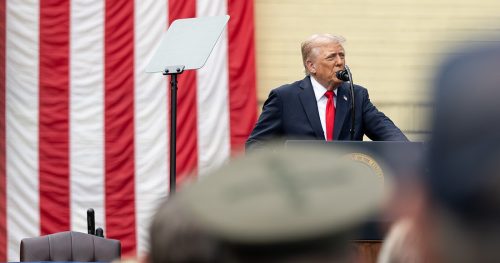
UPDATE II: President Trump delivered remarks about the airstrikes, addressing the nation and laying out the case for action and the goals of the campaign.
UPDATE III: The Iranian defense minister and the head of the judiciary have reportedly been eliminated.
On the ground and in the halls of power, commanders and diplomats are balancing the next moves while watching for Iranian counterstrikes through proxies, missiles or asymmetric attacks. Allies in the region are coordinating defensive postures, and U.S. forces remain positioned to respond to escalation and to protect shipping lanes and energy infrastructure. The coming days will test the durability of the campaign and the will of Tehran to either retaliate broadly or seek a way back from further confrontation.