President Trump sharply challenged a growing socialist current after recent New York primary upsets, declaring “The game is on.” The surge of Democratic Socialists of America-backed candidates has pushed the fight over collectivist ideas into the open, prompting Republicans to prepare for an old-school ideological battle. What follows is a clear account of the president’s message, the New York results, and how conservatives are lining up to respond.
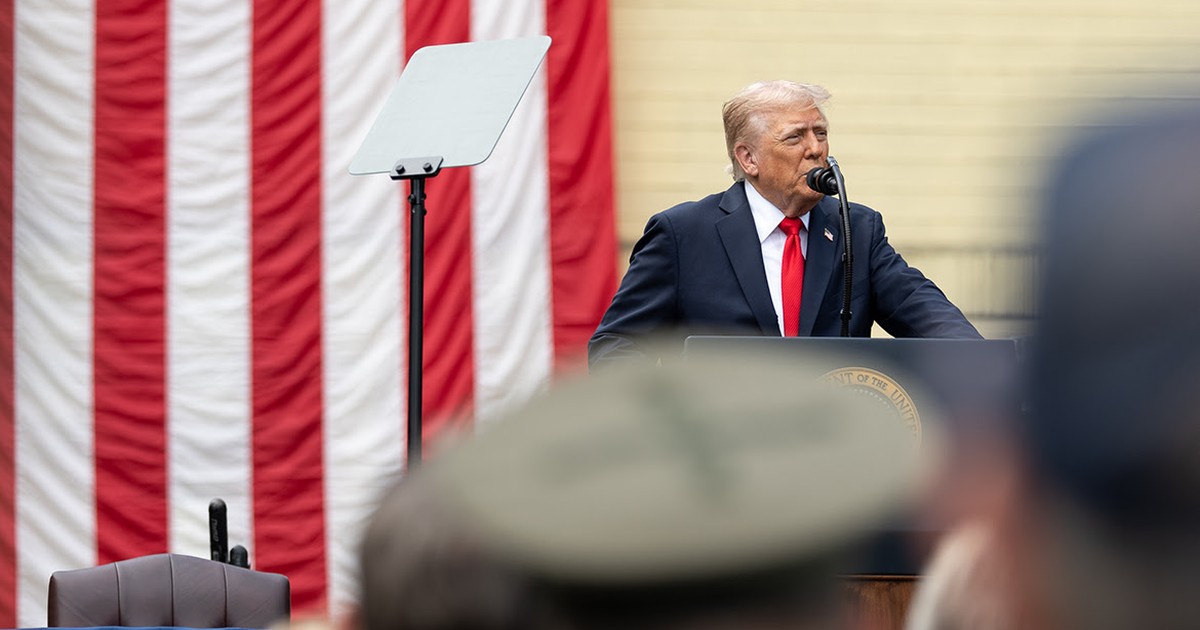
President Trump delivered a blunt message aimed at the left flank that made gains in New York: “The game is on.” He framed those victories as a direct advance by what he called communists and used pointed language to rally supporters and critics alike. His tone left no room for ambiguity about how seriously he views the challenge.
On Truth Social the president went further, writing “The Communists are finally making their move,” and adding “I’ve been waiting and preparing for this for a long time.” Those lines link his response to a larger narrative about defending free markets and American institutions. The post made clear he sees the recent primary results as the start of a sustained political confrontation.
“It’s easy to be a Communist — All you have to do is say, ‘I’ll give you everything,’ but that means you’re taking it away from others that have earned it. Over thousands of years, that Ideology has not worked once. The game is on. Enjoy watching! President DONALD J. TRUMP.”
https://x.com/EricLDaugh/status/2070279431055172035
It remains unclear whether the president plans a detailed policy offensive to counter the rise of socialism inside the Democratic Party, or whether he will mostly amplify the rhetoric that has served him well. Either would be very much appreciated.
The New York results that sparked this reaction centered on three primary wins backed by the Democratic Socialists of America, where incumbent Democrats lost in deep-blue districts. Mayor Zohran Mamdani’s endorsements helped elevate those candidates and broaden their influence within the city’s Democratic politics. These newcomers ran openly against strict immigration enforcement, championed a hard line on wealth redistribution, and signaled skepticism toward longstanding allies.
Democratic Socialists fared especially well with younger, highly educated voters and even drew support from higher-income enclaves, a dynamic that surprised many observers. Minority voting blocs were reportedly less enthusiastic, complicating the narrative about a universal leftward shift among urban constituencies. Those turnout patterns will be studied closely by strategists on both sides as they plan messaging and targeting for the midterms.
For Republicans the moment feels like a reprise of the Cold War-era identity fight, when anti-collectivism was central to conservative purpose. The party’s response is likely to emphasize market freedom, property rights, and a rejection of policies that reward redistribution at the expense of productivity. Messaging will aim to reclaim the argument about what motivates prosperity and which policies actually lift people up rather than pull them down.
Practical politics will follow the rhetoric: candidates must translate warnings about socialism into concrete proposals on immigration, national security, taxation, and support for allies like Israel. Voters will get to evaluate whether Republican leaders can offer persuasive alternatives that stay rooted in conservative principles while addressing the anxieties that pushed some Democrats toward more radical options. The next stretch of campaigns will test whether bold talk turns into effective governance and durable electoral gains.