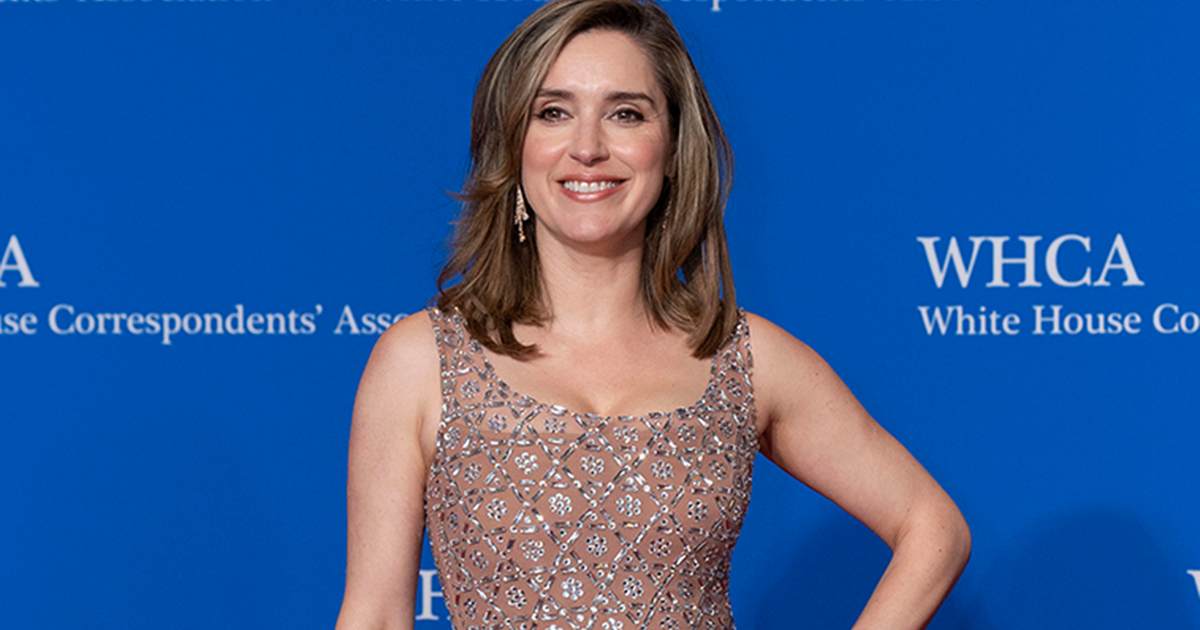
Margaret Brennan drew sharp criticism after what many saw as a mocking reaction to a public prayer from Secretary of War Pete Hegseth, prompting a fierce response from conservatives who say this exposes a cultural bias against faith in elite media circles.
Margaret Brennan of CBS posted on social media about Secretary Hegseth’s prayer for troops, and the reaction was immediate and blistering from conservative corners. Many readers felt her tone belittled people who openly practice religion, and that impression fed into a larger argument about media elites and faith. The pushback was swift from political figures and commentators who framed the moment as yet another sign that the cultural left misunderstands mainstream America.
Critics pointed out that public prayer for deployed service members is a longstanding American tradition, and they were surprised a national correspondent would appear to scoff at it. Voices across the right accused Brennan of missing the optics of showing respect to troops and their families in a time of loss. The exchange quickly moved beyond one tweet and became a flashpoint in debates over religious expression and media tone.
The saga began when Secretary of War Pete Hegseth spoke about Operation Epic Fury during a somber early morning press conference in which he vowed to “honor” the sacrifice of six U.S. service members killed in a plane crash last week.
The Secretary of Defense tells the American public to pray for our troops on bended knee and invoke Jesus' name….
— Margaret Brennan (@margbrennan) March 19, 2026
“May Almighty God continue to bless our troops in this fight. And again, to the American people, please pray for them, every day, on bended knee, with your family, in your schools, in your churches, in the name of Jesus Christ. To the troops, keep going and Godspeed,” Hegseth said to wrap up his remarks.
Arkansas Gov. Sarah Huckabee Sanders responded, “Only in DC is something like this considered even remotely offensive.”
Rep. Brandon Gill added, “Democrats are reflexively repulsed when they hear someone invoke Christ’s name. What does that tell you?”
The official White House rapid response account also took a jab at Brennan.
“Only a leftist ‘reporter’ would be offended by praying for our troops,” Rapid Response 47 wrote.
Hegseth’s press secretary, Kingsley Wilson, noted that it was the same request “Americans have been doing since George Washington prayed for our troops at Valley Forge.”
“Every now and then, they just come right out and tell you what they think about you and your beliefs. Imagine what they say in private,” conservative pundit Jesse Kelly reacted.
The wire of criticism wrapped around Brennan fast, fueled by a sense among many conservatives that national media figures are tone-deaf on matters of faith. Commentators charged that the reaction revealed more about elite sensibilities in Washington than about ordinary Americans’ views on prayer. That line of argument fed a broader narrative about cultural disconnects between media centers and heartland values.
Those defending the prayer pointed to the long history of public invocations for troops, and they noted comparisons to founding-era practices as more than rhetorical flourish. Supporters argued Hegseth’s request for prayer was neither proselytizing nor exclusionary, but rather an appeal to communities that regularly support service members in times of crisis. The framing from critics was that Brennan, by appearing to mock the appeal, aligned herself with a trend of minimizing public faith.
Brennan’s critics were merciless in tone, calling the tweet tone-deaf and even offensive to service members and families who rely on faith. Conservatives emphasized that political elites who react with scorn to religious expressions end up alienating voters who see prayer as ordinary and consoling. This episode added another entry to a ledger of perceived media missteps on religion, fueling frustration across right-leaning audiences.
The immediate fallout highlights how a single social media post from a national correspondent can ignite a wider culture-war story. Once public figures begin weighing in, the conversation rapidly shifts from the original remark to what it symbolizes about broader institutional attitudes. For those watching from the right, Brennan’s tweet wasn’t just a misfire; it was evidence of a persistent pattern in how some reporters relate to faith.
Regardless of where you stand, the flap illustrates a volatile mix of media, religion, and politics playing out in real time. The incident will likely be cited again in debates over whether journalists should exhibit more sensitivity toward expressions of faith, especially when those expressions involve honoring military sacrifice. In the meantime, conservatives have taken the moment and amplified it as another case study of elite media tone and cultural friction.