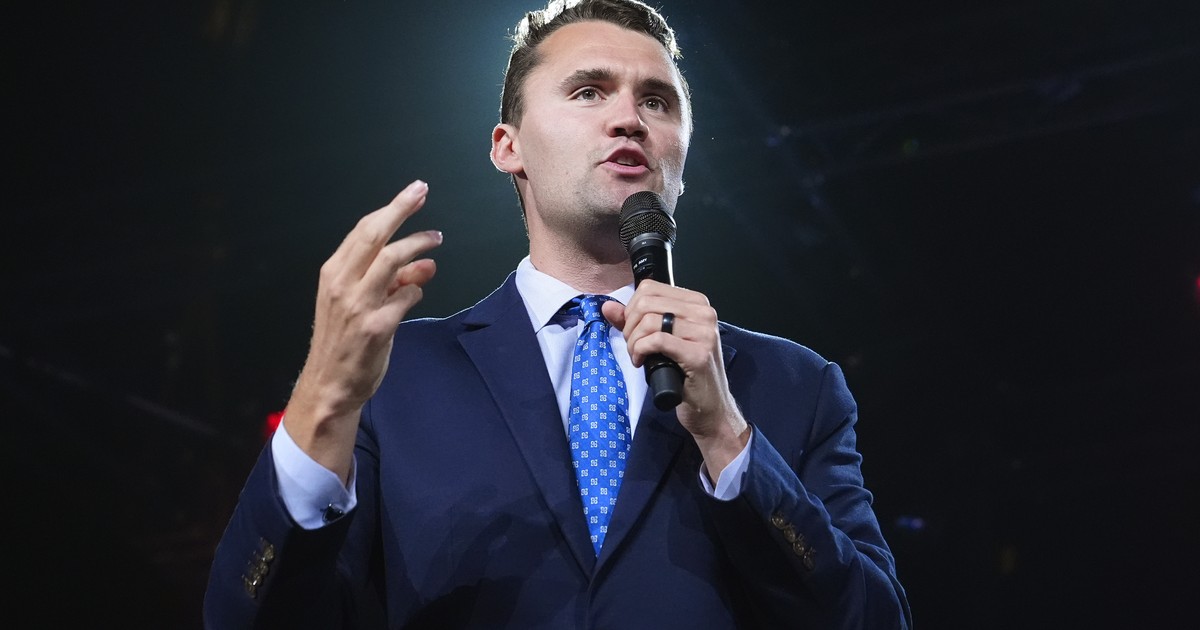
Jeff Webb, a well-known Texas businessman who mentored Charlie Kirk, died in a pickleball accident, and the online reaction has been a mix of grief, conspiracy speculation, and partisan grandstanding.
Jeff Webb was identified as the man who died after a pickleball accident on Friday, and he was widely known for his business ties and mentorship of Turning Point USA founder Charlie Kirk. Webb’s connection to conservative circles made his death a flashpoint on social media almost immediately. Instead of quiet condolences, parts of the internet whipped up theories and insinuations that had nothing to do with the facts on the ground.
Because Webb worked closely with prominent conservatives, attention-seekers and political pundits scrambled to paint the event as suspicious rather than accept it as a tragic accident. That rush to judgment followed a familiar pattern where the story value matters more than the truth. For many commentators, the mere association with a high-profile conservative was enough to spark wild speculation.
Charlie Kirk's mentor just died in a freak pickleball accident. That's an incredibly strange coincidence. If you're going to say that's not weird, that there are tons of pickleball fatalities, you sound nuts. I don't know what happened but I don't think this is perfectly normal.
— Cenk Uygur (@cenkuygur) March 23, 2026
Cenk Uygur posted about Webb’s death, writing “that’s an incredibly strange coincidence…I don’t know what happened but I don’t think this is perfectly normal,” and that post drew massive engagement online. At the time the original piece referenced the post as having more than 1.9 million views and 15,000 likes. The reaction to Uygur’s comment showed how quickly a suggestive line can be amplified into a full-blown narrative on platforms built for outrage.
When people pushed back, Uygur pivoted to criticizing “journalists” and the “traditional media,” accusing them of swallowing official accounts without skepticism. That posture is ironic given his own willingness to elevate speculation in a high-profile case with limited publicly available facts. The result was less honest inquiry than performative suspicion, which then spread among partisan audiences looking for confirmation bias.
This is a classic example of the “I’m just asking questions” playbook, where insinuation becomes coverage and doubt substitutes for evidence. The piece even invokes a previous moment, saying, “We saw the same thing happen after the tragic assassination of Kirk himself,” as if reflexive accusation is a new sport. That kind of framing rewards the loudest, not the most reasonable, responses and it warps public perception of straightforward events.
Accidents are blunt reminders of mortality: a 76-year-old man dying in an accident is a sad, human event and not a political mystery. No level of wealth, influence, or media footprint changes the basic fact that everyone eventually faces death, and most tragic deaths are exactly what they appear to be. Yet certain corners of the internet lean into fantasy because scandal drives clicks and donations.
The hypocrisy is clear when those who decry mainstream narratives then invent alternative explanations without evidence, especially when the supposed official story here was not even a government explanation. Turning a private misfortune into public theater strips dignity from the deceased and leaves families to deal with amplified noise. Responsible voices on both sides should demand facts before framing motives.
Social media elevates the performative over the prudent, and this episode is a reminder that conservative figures and their allies will be judged by the same standards they demand from others. Pointing out baseless speculation is not a partisan stunt; it is a call to insist that grief not be weaponized for attention. In the end, honoring the dead should mean resisting the temptation to turn every sorrow into a storyline.