Senate action moved the SAVE America Act into debate with a 51-vote advance, activists swarmed Senate offices demanding the talking filibuster be used to push the bill to the president, and attention has zeroed in on Senator Mitch McConnell as calls and pressure mount amid signs the measure may still die in the chamber.
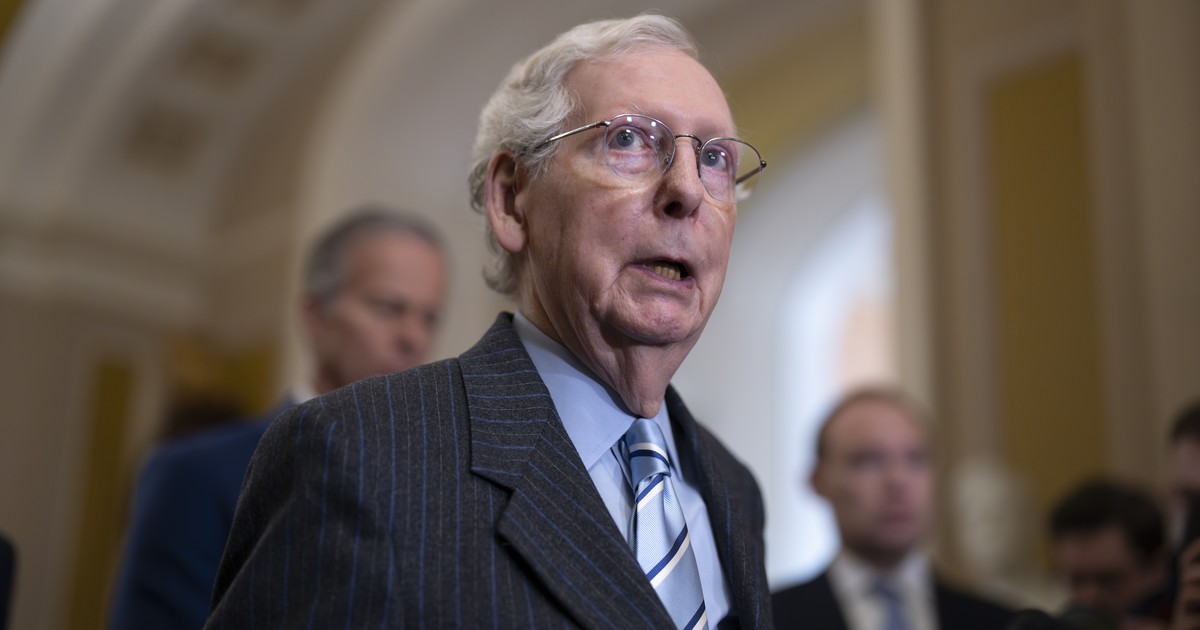
Republicans and grassroots conservatives have been watching whether Senate leaders would back the SAVE America Act and use the talking filibuster to force a final vote. Senator Mitch McConnell surprised some by voting to advance the bill to debate, and that procedural motion passed with 51 votes. Still, the fight is far from over because the talking filibuster is the tool many activists want to see used to reach President Trump’s desk.
Conservative advocates wasted no time turning up the heat on lawmakers seen as reluctant to change Senate procedure. Organizers and ordinary voters flooded McConnell’s office with calls and messages demanding he back a full implementation of the bill’s election-integrity provisions. That pressure campaign has focused squarely on him as a perceived weak link in the drive to overhaul election rules.
🚨 BREAKING: Mitch McConnell has voted YES to advance the SAVE America Act, along with Susan Collins
This sets up the SAVE America Act’s first test vote to be SUCCESSFUL
Even if we end up at 50-50, JD Vance can still break the tie.
This is so far looking to be SUCCESSFUL pic.twitter.com/VwfR9svmmF
— Nick Sortor (@nicksortor) March 17, 2026
One conservative influencer, Nick Sortor, became one of the visible faces of the phone push and spent an hour and a half on Monday calling McConnell’s office. Instead of reaching a staffer, he encountered indications the phones had been rolled and routed away. Callers reported getting a voicemail saying the office is receiving an unusually high number of calls and, importantly, that callers could not leave messages for the office.
The tactics are blunt and direct because supporters believe procedural muscle is necessary to force a showdown. Senate Majority Leader John Thune has publicly said the votes to invoke the talking filibuster simply aren’t there right now, leaving Republicans to use the vote to force Democrats “on the record” about their stance on election-security reforms. For many conservatives that framing is insufficient; they want concrete rules changes, not just political theater.
Behind the scenes, senators are weighing political risk and Senate custom against grassroots anger and a presidential priority. That tension has pushed activists to escalate beyond emails and tweets, choosing phone blitzes and public pressure to push leadership into action. The dynamic is now squarely a test of whether Republican senators will follow public pressure or stick with existing procedural norms.
The SAVE America Act’s backers argue the bill contains common-sense safeguards to curb fraud and restore confidence in the way ballots are handled. Opponents counter that the proposals are partisan or unnecessary, and that disagreement over Senate procedure masks a deeper fight about the direction of election law. Those competing narratives have hardened positions on both sides and made compromise more difficult.
With 51 votes to advance debate, supporters tasted momentum, but momentum alone does not deliver final passage. If the talking filibuster isn’t used, the path to enactment narrows and the legislation risks stalling amid procedural gridlock and interparty resistance. That prospect has only intensified the pressure campaign aimed at senators seen as pivotal, including McConnell.
Meanwhile, conservatives arguing for aggressive tactics say rolling phones and coordinated calls expose lawmakers to the real-time anger of their base. They frame the push as accountability: voters expect their representatives to act when they see a threat to election integrity. That message is resonating in activist circles even as some Republican leaders counsel patience and strategic restraint.
For now, the battle lines are clear: grassroots advocates demand action to cement election safeguards, Senate leadership warns that votes are not guaranteed, and many Republicans are left balancing political realities with promises to voters. The coming days will show whether public pressure and procedural maneuvering can overcome the institutional inertia that has long governed the Senate.
Editor’s Note: The Democrats are doing everything in their power to undermine the integrity of our elections.