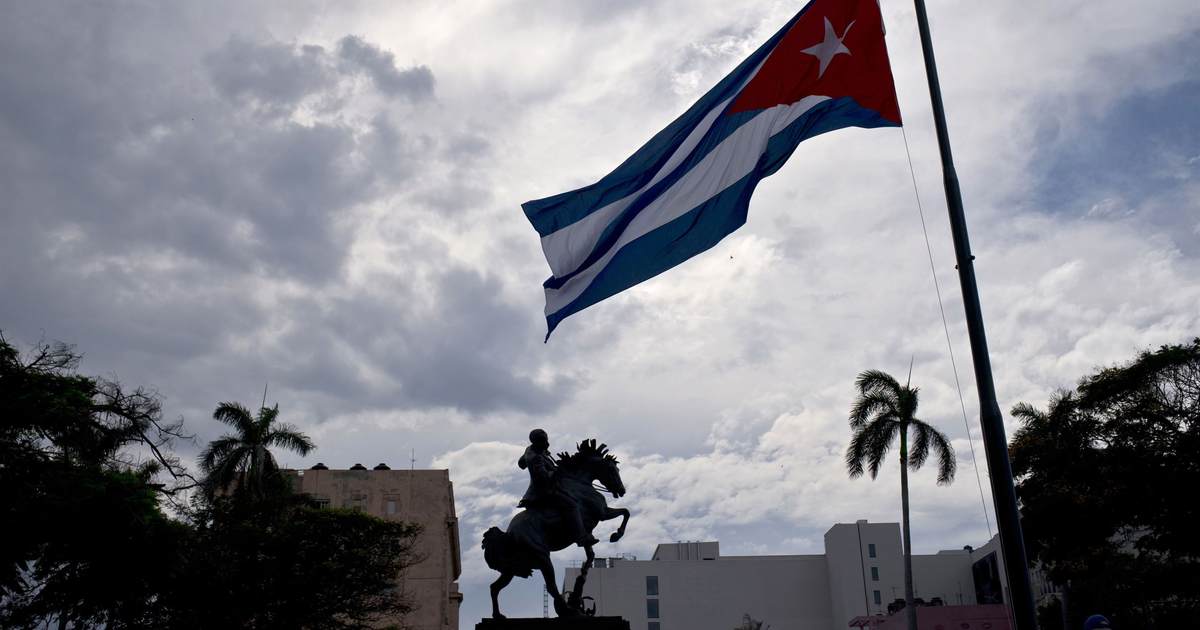
The unrest in Cuba has jumped to a new level, with protesters taking over local party offices, public anger driven by fuel shortages and blackouts, and Washington and Republican leaders making clear they are watching closely.
Crowds in Morón reportedly stormed a Communist Party headquarters and set it ablaze, signaling a sharp escalation in unrest across the island. What began as localized protests over basic services has turned into direct actions against symbols of the regime. Street fires and public demonstrations have spread as anger over shortages and rolling blackouts boils over.
Widespread demonstrations first surfaced about a week ago after fuel shortfalls and extended power cuts left households and businesses in the dark. Protesters have made their grievances visible by banging pots and pans and lighting fires in the streets, pushing back against the policies of President Miguel Díaz-Canel. The scenes have been chaotic, and authorities are reportedly scrambling to restore order while also trying to avoid further inflaming public sentiment.
JUST IN: Cuban protestors reportedly storm the Communist Party headquarters.
— Polymarket (@Polymarket) March 14, 2026
Reports describe long lines for fuel, rationing, and neighborhoods coping with intermittent electricity, all of which have fed into the demonstrations. Local activists say the combination of economic strain and political frustration has produced a rare, sustained public backlash. Officials in Havana face the dilemma of using force to suppress protests or risking a broader loss of control if they refrain.
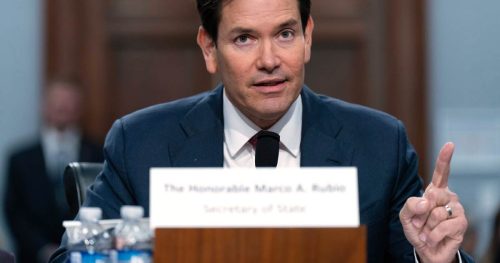
President Donald Trump suggested that Cuba could be next on the list after operations to remove leadership from adversarial countries like Venezuela and Iran, a stance that resonates with Republicans who favor firm action against hostile regimes. Cuban officials appear to be taking the pressure seriously and have acknowledged entering talks with Sec. Marco Rubio and representatives of the American government. Those discussions, if confirmed, mark a notable shift in how Havana is handling external pressure amid internal unrest.
Power outages in Cuba began on Mar. 4, and the timing of the cuts helped spark the initial wave of protests. Families and businesses suddenly faced routine disruption, which exposed long-standing infrastructure failures and deep economic problems tied to the island’s political model. When people can’t keep lights on or fill a gas tank, peaceful tolerance frays fast and street-level anger becomes inevitable.
From a Republican perspective, the situation tests American resolve and messaging. Lawmakers and conservative commentators are watching to see whether diplomatic pressure, targeted sanctions, or other measures will push the regime toward meaningful concessions. The immediate priority for those who oppose the Cuban government is to support voices for freedom while avoiding steps that could make life harder for ordinary Cubans.
It’s also a litmus test for regional allies and U.S. policy toward nations that back authoritarian actors. If negotiations with Cuban officials proceed at all, they will likely be monitored for signs of genuine openness versus tactical maneuvering meant to blunt international criticism. Observers want to know whether the regime will make concessions, pivot to repression, or attempt a mix of both to maintain its hold on power.
The coming days will reveal whether protests spread further, whether the government resorts to harsher crackdowns, and whether external pressure from Republican leaders and the U.S. government changes the calculations in Havana. For now, the unrest highlights the fragile mix of economic failure and political repression that can snap into public revolt when livelihoods are threatened.