The Department of Homeland Security shutdown has passed the 30-day mark, snarling travel, straining emergency response, and complicating counterterror operations while a White House letter tries to thaw talks with Democrats.
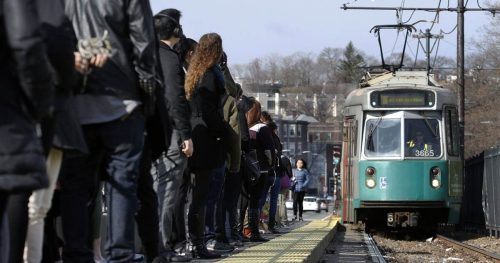
Airports across the country are feeling the squeeze as the DHS shutdown, now over 30 days, drags on and leaves TSA agents stretched thin. Security lines are routinely running for hours, and travelers face delays that ripple through connecting flights and ground transportation. With severe weather and hurricane season on the horizon, the strain on logistics and emergency planning is getting worse.
FEMA’s capacity to respond to natural disasters has been diminished by the funding lapse, and agencies that staff critical checkpoints are operating with limited resources. That understaffing doesn’t just cost time at the gate, it raises real questions about preparedness when multiple crises hit at once. Americans expect secure borders and reliable emergency response, and right now both are under pressure.
The shutdown also interferes with national security work tied to Operation Epic Fury and other counterterror efforts, creating gaps that adversaries could try to exploit. Congressional delays have frozen parts of the Department in place, slowing intelligence sharing and operational tempo. It’s no surprise that voters trust us more to keep the homeland secure.
NEW: @FoxNews has obtained a letter the WH sent to two GOP Senators today, explaining some of the concessions they are offering Democrats on DHS reforms. They include:
– DHS officers conducting immigration enforcement will wear clearly visible ID & provide it when asked.
– Use… pic.twitter.com/MtYX73n5Uc
— Bill Melugin (@BillMelugin_) March 17, 2026
The president sent a letter to House Democrats aiming to move past the impasse and reopen DHS, but most of what the letter proposes simply reasserts existing policy or current law. That reality undercuts Democrats’ more dramatic demands and highlights how the standoff has become performative. Negotiators still have big disagreements over immigration enforcement and oversight.
Republicans argue judicial warrants for immigration arrests are off the table, and Democrats pushing that demand should face the political reality that it will not happen. Even The Washington Post’s editorial board called the request impractical, signaling that mainstream opinion finds that position unrealistic. The core split centers on how enforcement is conducted and what safeguards are acceptable without gutting operations.
DHS officers conducting immigration enforcement will wear clearly visible ID & provide it when asked.
– Use of bodycams will be expanded, video will be retained, and there will be increased Congressional oversight.
– DHS will avoid operations at sensitive locations except in extreme circumstances that have to do with public safety or national security. (This is already current policy).
– DHS won’t deport US citizens or arrest them unless they’ve committed an eligible crime. (Also already what current policy is supposed to be).
Nothing on unmasking or judicial warrants, which Democrats have been demanding. Per sources familiar with the negotiations, both sides are still very far apart.
Some elements in the White House letter reiterate practical steps: clearer officer ID, broader use of bodycams, retention of video, and expanded oversight by Congress. Those are sensible transparency measures that can strengthen public trust while keeping enforcement tools intact. But reiterating policy does not resolve the political fight over whether enforcement will be permitted to operate at the scale needed to deter crossings.
Democrats engineered much of this mess in an effort to curtail ICE deportation operations, yet the enforcement budget for those deportations is funded through 2029. That funding reality means the political theater does not immediately change the basic capability to remove illegal entrants. The dispute is about when and how those authorities are exercised, not whether money exists on paper.
On personnel issues, the fallout has already reached state and local political fights, and even high-profile figures have seen careers impacted for reasons that go beyond the DHS fight. For instance, Kristi Noem’s firing was not a direct result of this shutdown; it stemmed from a string of controversies and a final incident that angered the president. Personnel moves like that are reminders this is also a political conflict with consequences inside the party.
Illegal immigration will not stop being a priority for conservatives, and the message remains blunt: illegal aliens will be sent back. Republicans are pushing to reopen DHS with enforcement intact and transparency increased, while arguing Democrats should stop sacrificing security to appease their most extreme activists. Keeping the country safe and restoring normal operations should be the immediate goal.
Talks at the moment are messy and progress is incremental, but the public cost of delay is clear—chaotic airports, strained disaster response, and slowed security operations. Lawmakers face a simple choice: finalize an agreement that reopens DHS and protects core enforcement tools, or let partisan posturing keep essential services and safety measures sidelined. Voters will remember which side let critical functions falter.