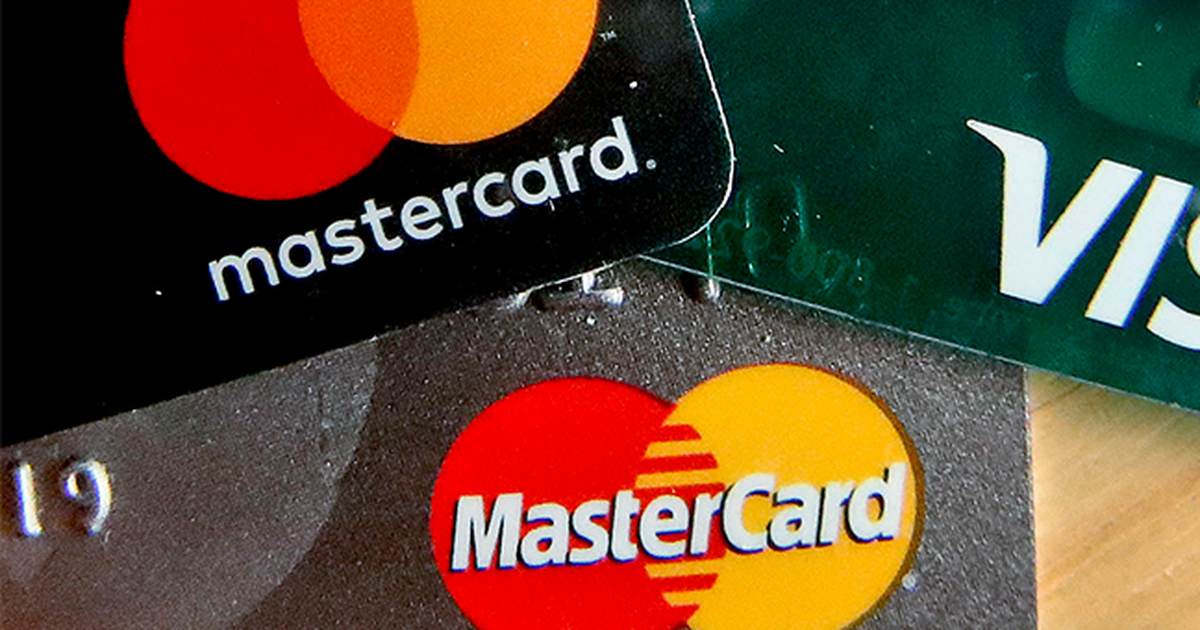
Five people were sentenced after a Florida fraud ring used shell companies, stolen cards and manipulated point-of-sale systems to process more than $3.5 million in fake charges.
Federal courts handed down prison terms to five defendants tied to a sprawling credit card fraud and money laundering plot that stretched from February 2023 through June 2024. Sentences ranged from three years to eleven years behind bars, reflecting differing roles and levels of culpability in the scheme. Authorities say the operation funneled illicit proceeds through accounts controlled by the conspirators and abused legitimate merchant services to mask the activity.
Willan Pupo, 38, received the longest sentence: 132 months in federal prison. Joel Castillo, 39, was sentenced to 58 months; William Castillo, 42, got 55 months; Miriam Pupo, 36, was given 37 months; and Jessica Forpomes, 40, received 36 months. Each of the five previously pleaded guilty to money laundering and admitted participation in the coordinated fraud.
The defendants used a mix of real businesses and shell companies to obtain point-of-sale devices from merchant processors, then processed bogus transactions to move funds. Those POS terminals allowed the group to record charges that appeared legitimate on merchant statements while routing cash into accounts they controlled. After processing, funds were quickly withdrawn or shifted to avoid detection and delay chargebacks from issuers.
Investigators say the operation ran several ways: sham purchases made with associates’ cards who then disputed charges, purchases using credit card numbers bought on the dark web and via encrypted platforms like Telegram, and transactions using cards stolen from the mail. When victims disputed the transactions, issuers reversed charges and banks or processors absorbed the losses, leaving the system to cover the fraud.
“This was a coordinated fraud ring that generated more than $3.5 million in fake charges by manipulating point-of-sale systems, stolen credit cards, and shell companies,” said U.S. Attorney Jason A. Reding Quiñones for the Southern District of Florida. “They exploited legitimate businesses, abused financial systems, and shifted losses onto banks and processors. Large-scale fraud like this undermines confidence in our financial markets. Those who build criminal enterprises around deception and stolen data will face serious federal prison time.”
Prosecutors also uncovered a trove of personal data used to accelerate the scheme. William Castillo, Willan Pupo, and Joel Castillo accessed a database that contained names, aliases, dates of birth, Social Security numbers, addresses and other sensitive details. That information helped them activate and use stolen cards more quickly and identify victims to target with fraudulent transactions.
Alongside credit card fraud, investigators say some defendants used shell companies to fraudulently obtain Economic Injury Disaster Loans. Willan Pupo and Joel Castillo admitted to securing more than $650,000 in EIDL proceeds through fabricated business identities. Those federal loan proceeds were folded into the overall criminal enterprise, increasing the financial impact on taxpayers and lenders.
As part of post-conviction recoveries, Joel and William Castillo have paid more than $800,000 toward restitution so far. Courts ordered asset forfeiture actions as well, handled by prosecutors who traced proceeds through bank accounts and withdrawals. Still, officials warn that recovery seldom covers all losses once chargebacks and processor write-offs are tallied.
The U.S. Secret Service Miami Field Office and the Treasury Inspector General for Tax Administration’s Cybercrimes Investigations Division led the investigative work. The case was announced by U.S. Attorney Reding Quiñones alongside Special Agent in Charge Rafael Barros of the USSS Miami Field Office and Assistant Inspector General for Investigations Scott Moffit of TIGTA CCID. USSS Miami and TIGTA investigators developed the evidence supporting the prosecutions.
Assistant U.S. Attorney Quin Landon prosecuted the matters, with Assistant U.S. Attorneys Annika Miranda and Robin Waugh and former Assistant U.S. Attorney Marx Calderon handling asset forfeiture. The coordinated federal response combined investigative tracing, forensic review of transaction records, and legal steps to hold the organizers accountable. The result: multiple indictments, guilty pleas, prison terms, restitution payments and forfeiture orders aimed at dismantling the operation.
Cases like this underline how fraudsters exploit payment rails, stolen data and opaque business setups to monetize theft. Law enforcement and financial institutions continue to adapt, but the episode shows how quickly fraud can scale when criminals blend technology, leaked data and corporate shells to move money. Victims, processors and banks still carry the financial fallout while courts unwind the tangled money trails.