The DHS shutdown has stretched past a month, straining security operations and forcing Senate Republicans into urgent talks that could produce a targeted funding path, with Sen. Katie Britt saying a solution exists while deferring specifics to Leader John Thune.
The Department of Homeland Security shutdown has now lasted over 30 days and it is tangibly hurting public safety and day to day travel. Agents are leaving, lines at airports are painfully long, and FEMA’s readiness for storms and disasters is compromised. That reality is hitting communities while political theater keeps Washington stuck.
President Trump moved to send ICE agents to airports to ease TSA bottlenecks, and that step showed immediate results in cutting wait times. Private offers to fund TSA salaries surfaced, underlining how dire the staffing crunch has become and how desperate the situation is. Democrats have leaned into opposition instead of fixing the problem, and ordinary people are paying the price.
Republicans in the Senate face pressure from multiple directions: constituents, security chiefs, and colleagues worried about terrorism risks tied to overseas operations like Operation Epic Fury. We have already seen attacks that prove the threat is real, and hurricane season and severe weather mean DHS and FEMA must be able to act without political paralysis. Leaving DHS partially unfunded while threats mount is reckless.
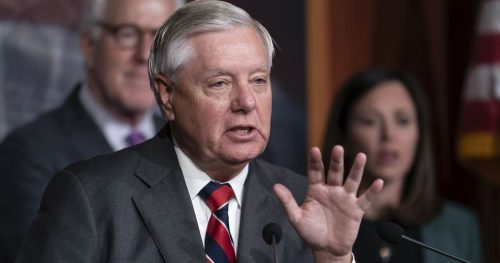
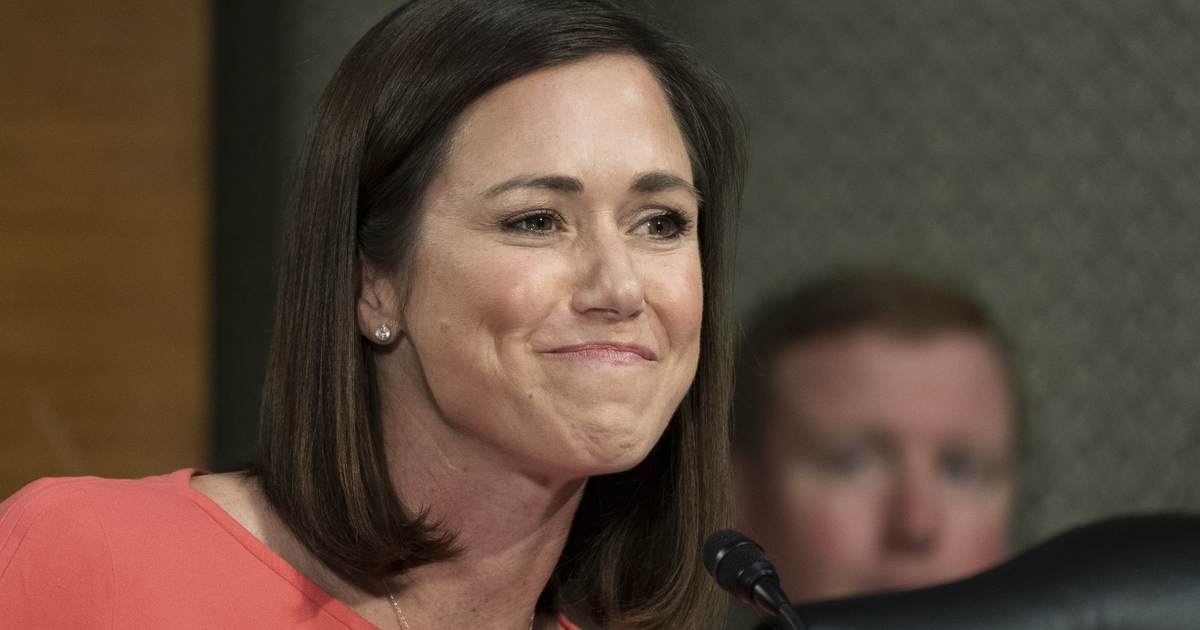
Sen. Katie Britt of Alabama joined other GOP senators for a White House meeting and told reporters there is a path to ending the DHS shutdown, though she deferred the details to Senate Majority Leader John Thune. Reports indicate the group proposed funding most of DHS while trimming certain ICE components that are already funded under last year’s GOP megabill. That approach aims to restore core security functions quickly while addressing internal GOP concerns.
The lawmakers involved reportedly floated a plan to pass a bill that funds all of DHS except specific parts of Immigration and Customs Enforcement, on the logic that ICE already has funding from the previous package. That pitch is designed to get emergency operations back up and running without reopening a full caucus fight over immigration policy. If floor votes could be secured, it might move through on a party line or with limited Democratic support.
👀 Walking into the Capitol after a meeting at the White House, Sen. Katie Britt (R-Ala.) said “we do” have a solution to the DHS shutdown.
She said she’ll let Leader Thune share the details.
— Mychael Schnell (@mychaelschnell) March 23, 2026
Senior senators like Lindsey Graham and Bernie Moreno were part of the group with Britt and others, and the effort clearly aims to balance security needs with political realities. The White House has been described as open to different procedural routes, including the possibility of a reconciliation-style measure to lock in funding. Senate Republicans remain cautious because unity is not guaranteed and any plan needs enough votes in the House and Senate to clear the finish line.
Senate Republicans believe they’ve found a path to ending the five-week Department of Homeland Security shutdown after meeting Monday with President Donald Trump.
Asked after the White House meeting if they had a solution after meeting with Trump, Sen. Katie Britt of Alabama told reporters, “We do.”
“I’m going to be working through the night, so hopefully we can land this plane,” she later said.
Britt and Sens. Bernie Moreno of Ohio, Lindsey Graham of South Carolina and Steve Daines of Montana met with Trump to pitch an agreement that would fund most of DHS.
Their pitch, according to two people with knowledge of it, was to pass a funding bill that would fund all of DHS except specific parts of Immigration and Customs Enforcement, which is already funded under last year’s GOP megabill.
Graham told colleagues on the Senate floor after the meeting that the president is now open to a new party-line reconciliation bill after rejecting the idea over the weekend, Sen. John Kennedy (R-La.) said. That could give Republicans a path to pass more ICE funding — if they can muster the votes.
A second person with knowledge of the discussions also said a new reconciliation bill was a possibility after the White House meeting — though Senate Republicans have been cool to the idea given the uphill climb it would be to unite their members, the House and the White House behind a bill.
Behind the scenes, senators are juggling the need to restore DHS operations and the desire to avoid surrendering long term immigration priorities. Some want a narrow, fast bill that reopens airports, ports of entry, cybersecurity functions, and disaster response. Others warn that carving ICE out of a package without a durable plan invites another round of fights down the road.
This debate is happening under the pressure of real harm to travelers and first responders, which makes delay costly and politically risky. Senators who oppose a quick fix should account for the tangible consequences on public safety and emergency response capability, not just the headlines. Lawmakers are being judged by how quickly they can put essential security back on solid footing.
Negotiations will continue into the night and over the coming days as the Senate works to line up a route that preserves core DHS missions while satisfying enough members to pass a bill. The outcome will be a test of Republican unity and of whether Washington can prioritize security over politics in a moment when lives and livelihoods are at stake.