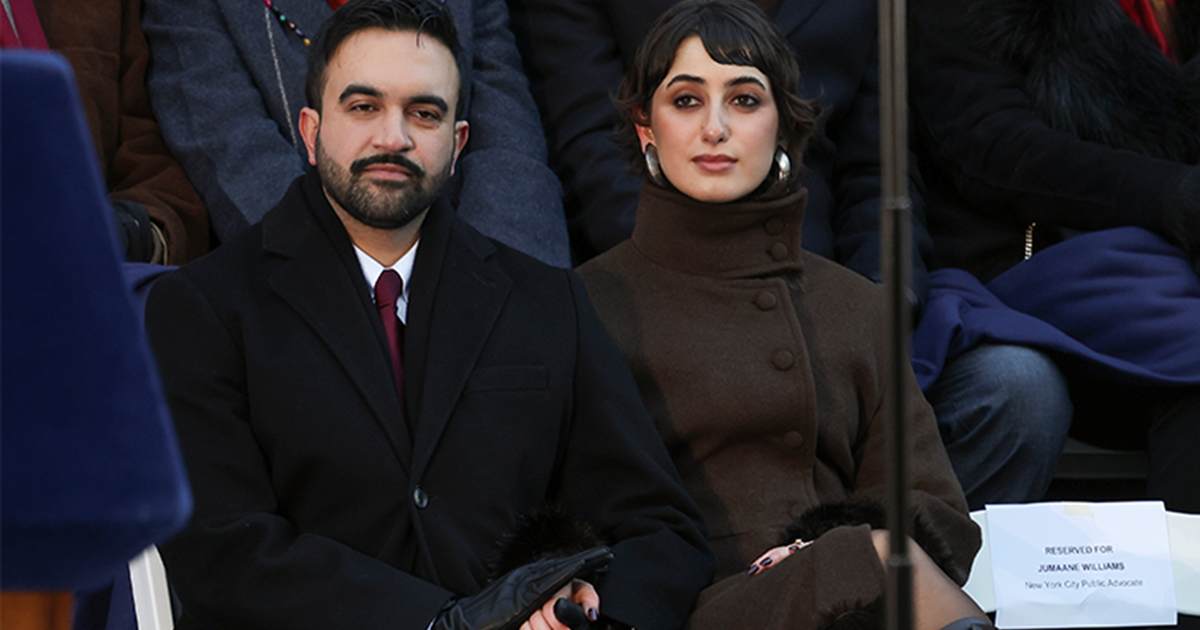
Israel is weighing a travel ban against Rama Duwaji, wife of New York City Mayor Zohran Mamdani, after officials flagged a pattern of public statements and artwork they say cross the line into antisemitism and praise for violence.
Israeli authorities have formally moved to blacklist Rama Duwaji, citing a record of inflammatory commentary tied to the October 7 attacks and ongoing conflict in Gaza. Duwaji is a Syrian artist who has attracted attention for social posts and images critics say endorse or minimize acts that killed civilians. The discussion now centers on whether celebrating or denying atrocities and describing Israel with charged terms warrants denying entry.
The country’s Ministry for Diaspora Affairs and Combating Antisemitism submitted a request to the Interior Ministry recommending Duwaji be added to a blacklist. Officials argue that her public statements and visual work reflect a recurring pattern rather than isolated expression. That stance sets up a legal and moral question about travel restrictions for foreign nationals whose speech is judged to threaten public order or glorify violence.
Ministry Director General Avi Cohen-Scali told the Interior Ministry that Duwaji’s use of terms like “genocide,” “occupation,” and “ethnic cleansing” in relation to Israel’s war against Hamas in Gaza is justification for banning her from the Jewish nation. Her critics point to a series of posts and images they say blur the line between protest and endorsement of terror, and they want the government to act consistently when those lines are crossed.
Among the pieces singled out is an illustration showing a Palestinian woman trapped under rubble with the caption “ethnic cleansing, plain and simple.” On social media she has also referred to reports about Hamas terrorists raping Israeli women as a “mass hoax,” a statement that drew particular outrage. Those elements together have made her a lightning rod in a debate over free expression and accountability.
Mayor Mamdani pushed back at critics in a public briefing, defending his wife and stressing personal privacy alongside his public duties. He said “she’s also a private person who has held no formal position on my campaign or in my City Hall.” He went on, “I, however, was elected to represent all 8.5 million people in the city,” he continued. “And I believe that it’s my responsibility because of that role to answer questions about my thoughts and my politics, and my stances.”
NYC Mayor Mamdani’s wife, Rama Duwaji, has been outed for old tweets where she said she left Instagram because of “gay ass people,” called Facebook followers “fgts,” and used the N-word.
The old Twitter account which posted the tweets has since been deactivated.
Follow:… pic.twitter.com/okmUgXqVLs
— AF Post (@AFpost) March 19, 2026
Diaspora Affairs Minister Amichai Chikli said in a statement that Duwaji’s commentary “is an unprecedented moral low, and we will not allow people like Mrs. Mamdani to enter the territory of the State of Israel,” and he framed the decision as a defense of national dignity. That reaction reflects a broader willingness within parts of the Israeli government to use immigration controls as a tool against speech that officials deem harmful. Critics of the ban worry about setting a precedent that could chill legitimate criticism of policy while supporters say protecting citizens and national memory takes priority.
In addition to her own posts, Duwaji has provided illustrations for a Palestinian American author who used dehumanizing language about Israelis and Jews, calling them “vampires,” “parasites,” and “cockroaches” on social media. That association has intensified calls for action, especially among those who see such language as part of a pattern that fuels harassment and violence. The controversy extends beyond a single graphic or tweet to questions about networks of influence and how art is used in political messaging.
Zohran Mamdani and his wife find themselves under intense scrutiny because public officials are judged by both their own words and the company they keep. Since the October 7 attacks, antisemitic incidents have surged in cities across the United States, and local leaders are expected to answer for how they respond. The ADL New York/New Jersey reported an 18 percent rise in anti-Jewish incidents in 2024, a statistic that feeds the urgency behind Israel’s and others’ reactions.
This episode highlights a clash between free expression, diplomatic discretion, and security policy that plays out across borders. Governments making decisions about who can enter their territory will weigh statements and associations alongside standard immigration criteria. The debate over Duwaji’s case will be watched closely because it raises the same hard questions democracies face whenever speech, art, and public safety collide.