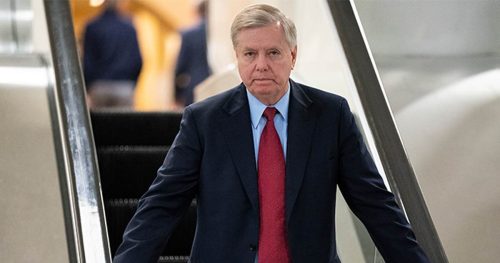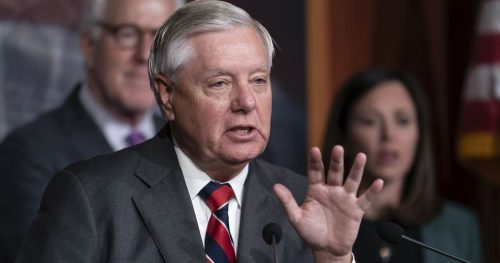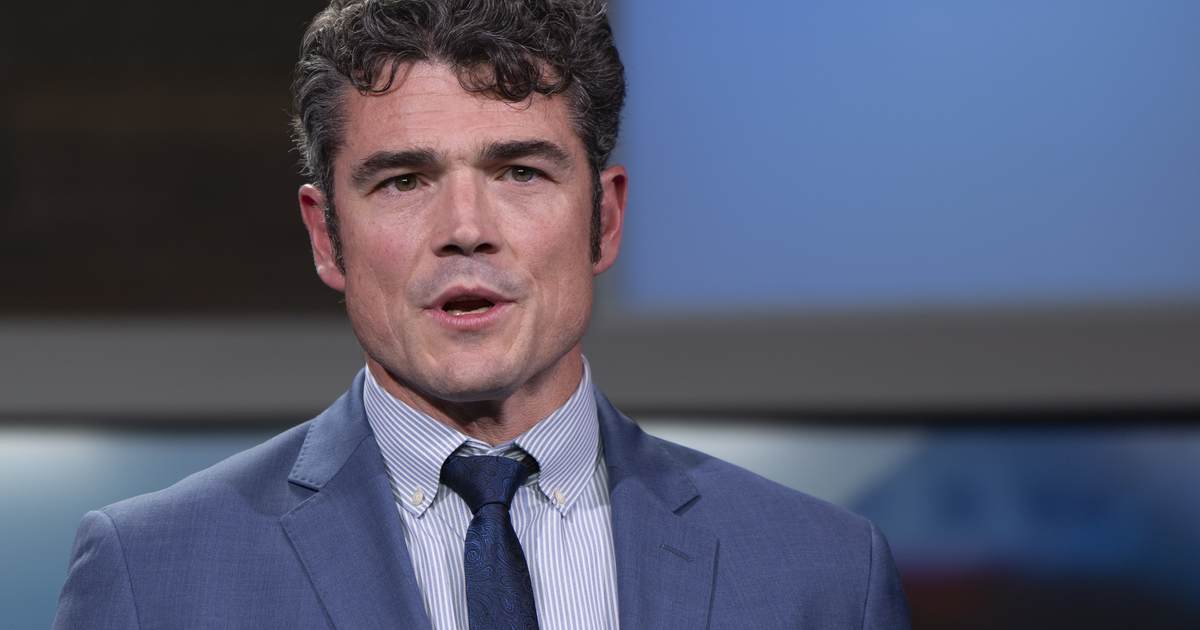
Joe Kent’s resignation and his combative interviews with Mark Levin over Israel, Iran, and the fallout from Charlie Kirk’s murder became a flashpoint in conservative circles this week.
A week after stepping down as director of the National Counterterrorism Center, Joe Kent has been defending his exit and his criticisms of Operation Epic Fury. He’s accused the president of being unduly influenced by Israel and insisted Iran posed no immediate danger to the United States, setting off sharp debate inside the conservative movement. These claims landed him square in the middle of a media firestorm and GOP talking points about loyalty and national security.
Less than a week after appearing with former Fox host Tucker Carlson, Kent sat for a more confrontational conversation with Mark Levin. Levin pressed him hard on the timing and substance of Kent’s claims, treating the interview like an accountability check. The tone was pointed, and the back-and-forth made clear that Kent’s views don’t sit easily with many conservatives who prioritize strong alliances and clear-eyed threats.
The conversation pivoted to whether Iran posed an “imminent” threat to the United States, with Kent arguing it did not. Critics pushed back, saying waiting until a threat is labeled “imminent” is a dangerous standard for defense policy and ignores opportunities to act when adversaries are weaker. That disagreement exposed a fundamental split: one side favoring preemptive clarity and deterrence, the other urging restraint until danger is undeniable.
Levin and Kent also covered speculation around the assassination of conservative activist Charlie Kirk, where Kent and others suggested foreign involvement might be at play. Kent stopped short of naming any country, but public figures like Candace Owens have been explicit in their accusations and have pointed fingers at Israel. Raising a foreign state as a possible actor in a targeted killing is a serious claim, and many on the right see such assertions as reckless without concrete evidence.
🇺🇸 Joe Kent was calmly explaining that Iran never attacked the U.S. under Trump and that Israel started the escalation.
Mark Levin told him to slow down, turned up the background music, then cut to commercial…pic.twitter.com/7aKyhn3Azo https://t.co/TOakhWCL8m
— Mario Nawfal (@MarioNawfal) March 24, 2026
The interview also touched on the FBI’s inquiry into Kent after he left the administration, with reports that he was flagged as a potential leaker. He was reportedly barred from the president’s daily briefings and suspected of sharing sensitive material with high-profile right-wing personalities including Tucker Carlson and Candace Owens. For Republicans who care about effective governance and secure intelligence, allegations of leaking are not a partisan flourish; they are a threat to national security and to the trust officials must maintain.
Charlie Kirk’s executive producer and close friend, Andrew Kolvet, even suggested that Kent may have been the source who leaked some of Kirk’s text messages to Candace Owens. Owens has used those texts for months to publicly attack Turning Point USA and to criticize elements of the Trump administration, turning internal drama into a public spectacle. That kind of infighting weakens conservative institutions and gives opponents ammunition at a time when unity on foreign policy matters.
Here’s Levin’s summary of the interview:
In the weeks after resigning, Kent has visibly toned down some of his sharper accusations, even walking back claims that the president was beholden to high-level Israeli officials. That recoil underlines a basic political reality: dramatic public claims carry consequences, and when national security is involved, charges need iron-clad proof. Conservatives who respect our allies and prioritize a tough stance on real threats expect more caution and accountability from former intelligence leaders.