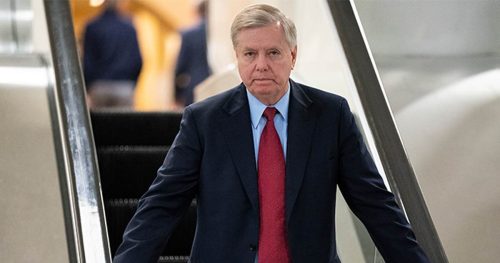
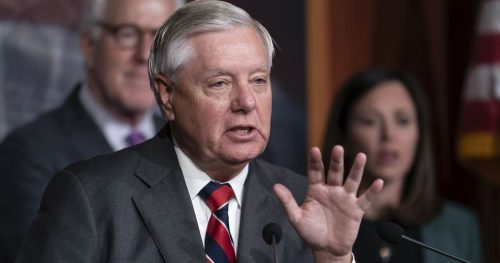
Joe Kent resigned from his post at the National Counterterrorism Center, accusing “pressure from Israel” of pushing the U.S. into Operation Epic Fury and asserting that “Iran posed no imminent threat to our nation.” His past public statements praising targeted strikes and Trump’s Iran policy make this sudden break notable, and clips and social posts have resurfaced that clash with his resignation claims. Critics on the right have pushed back, arguing Kent switched from supporting “peace through strength” tactics to a posture of isolationism without explaining the change.
Joe Kent’s exit was blunt and public, framed as a protest against what he called the “Iran War” and tied to outside influence he says led to the operation. He wrote that “pressure from Israel” was the chief factor in launching Operation Epic Fury and flatly claimed “Iran posed no imminent threat to our nation.” That declaration came as a shock because his prior record showed a different tone on force and deterrence.
Observers point out that Kent’s views while serving in the Trump administration were not consistently anti-intervention. He has a history of praising tactical uses of force and of framing Trump’s approaches as effective tools for keeping America safe. That past record raises questions about whether his resignation reflects a genuine shift in principle or a reaction to a specific policy moment.
On X in 2020 Kent wrote that Trump’s “red line is American loss of life & IR nuke development.” He added, “I personally think we should have crushed their ballistic & nuke capes, but Trump has a plan, he has definitely earned the confidence of any clear eyed observer,” showing public support for tough, targeted measures at the time. Those words sit oddly next to his later accusations against the administration.
In September of 2024 he posted, “Trump used a balance of diplomacy, economic pressure & targeted strikes to contain Iran. The embodiment of peace through strength.” That framing praised a combination of tools rather than blanket isolation, and it echoed an approach many Republicans continue to endorse. The contrast with his resignation rhetoric is stark.
Kent doubled down on the theme in October of 2024 when he wrote: “October 7th b/c happened Biden/Harris gave Iran access to over 100 billion. Trump used diplomacy to build the Abraham accords, cut off Iran’s funding & killed key terrorists. America & our allies were safe & there was less war. No more neocons, no appeasement, Trump ‘24.” Those posts make his current claims about a needless war harder to reconcile.
Put simply, Kent has long criticized neoconservatism and appeasement, but he clearly supported targeted strikes and pressure campaigns that disrupt hostile regimes. His resignation letter suggests he now treats those same tactics as unacceptable if applied in the current context. That flip raises real questions about whether his objection is about principle or politics.
In his letter Kent wrote, “Until June of 2025, you understood that the wars in the Middle East were a trap that robbed America of the precious lives of our patriots and depleted the wealth and prosperity of our nation,” arguing the campaign marks a return to endless war. At the same time, clips have resurfaced showing Kent warning a potential invasion of Iran would be a disaster during an interview with Tucker Carlson, but those dire predictions have not materialized so far.
Joe Kent, meet Joe Kent.
January 2020, Kent posted: Trump's "red line is American loss of life & IR nuke development… I personally think we should have crushed their ballistic & nuke capes, but Trump has a plan, he has definitely earned the confidence of any clear eyed… https://t.co/yZG9KBHmC9 pic.twitter.com/OBys4NLerS
— Steve Guest (@SteveGuest) March 17, 2026
Supporters of the operation note Kent never explained why this campaign differs from the “targeted strikes” he once endorsed, and they point out the president has described the action as limited and time-bound. If the operation is truly a series of focused strikes to degrade capabilities and deny nuclear progress, Kent’s prior praise of that method seems inconsistent with his resignation stance.
Kent and allies have portrayed the campaign as the start of another “forever war,” a critique common among isolationist Republicans, but the evidence for an open-ended commitment is thin so far. Critics argue those warnings are premature and politically motivated, pushed to frame the administration as reckless without addressing the substance of the mission.
Worse, Kent used his resignation to allege that Israeli officials somehow steered the United States into conflict, repeating a theory that has been widely disputed. Historical records show that the prime minister of Israel at the time of the Iraq war opposed that conflict and instead viewed Iran as the greater threat, undermining Kent’s line about outside manipulation.
Operation Epic Fury was anticipated by policymakers who saw Iran’s nuclear ambitions and regional behavior as an escalating threat, not as the result of foreign pressure alone. President Trump has been clear he would not let a hostile state sponsor of terror obtain a nuclear weapon while also signaling support for Iranians suffering under their regime earlier this year. Those commitments align with a traditional Republican posture favoring strength and deterrence.
This is not an example of Israel forcing the U.S. into war; it is a president following through on his commitments to both the American people and the Iranian people. As President Trump has said, “peace through strength” is an America First policy. Top conservative commentators have publicly criticized Kent’s claims in the resignation as inconsistent with his record and with the facts on the ground.