A Chicago teen was killed by a man in the country illegally, and the city’s response shifted from outrage to what looks like victim-blaming while questions about border enforcement and public safety go unanswered.
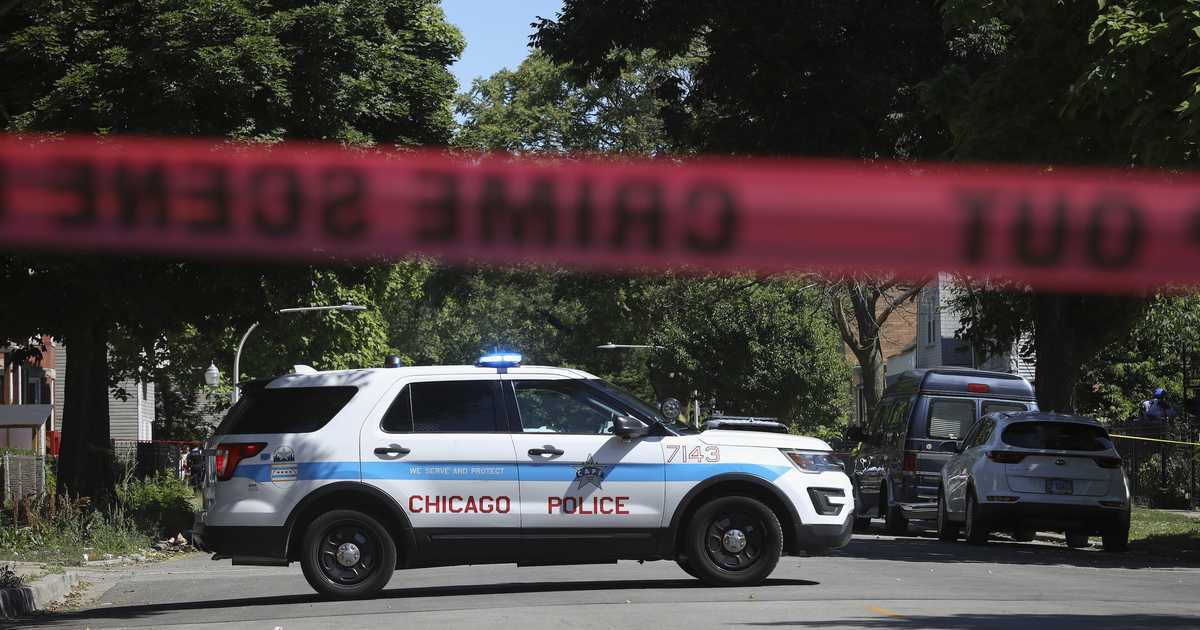
Sheridan Gorman, 18, was walking home with friends on March 19 when she was shot and killed by Jose Medina, 25, an illegal alien who was in the community. This is the kind of avoidable tragedy that gets dragged into partisan arguments about crime and immigration instead of straight answers and action. People want safety; they want borders that work and enforcement that actually keeps dangerous individuals out of our streets.
The political reaction has been striking, with a clear split between those calling for accountability and others trying to soften responsibility for the assailant. Some defenders of open-border policies pivot to general crime statistics, implying American citizens make up most offenders, as if that answers why this particular suspect was in the country. Those arguments dodge the core point: an illegal presence enabled a deadly encounter that did not need to happen.
The instinct among many Republicans is blunt: enforce the law, secure the border, and stop allowing preventable killers to roam free. That is not an emotional quibble; it is a policy prescription that would reduce risk for communities and remove the repeated excuse that tragedies are inevitable. Voters rightly ask why a 25-year-old with no legal standing was able to be in a position to take a young life.
Chicago Alderwoman Maria Hadden:
Sheridan (18) was in "wrong place at the wrong time — she might've startled the migrant who kiIIed her" pic.twitter.com/jRIMEBSL5o
— End Wokeness (@EndWokeness) March 23, 2026
City leaders who respond by suggesting victims were unlucky or that it was merely a wrong-place, wrong-time incident miss the political responsibility they bear. Local officials set the tone for public safety, and when they minimize causes, residents hear that the problem is acceptable. Tough questions about the interplay of immigration enforcement and municipal policies get pushed aside while grief piles up in neighborhoods.
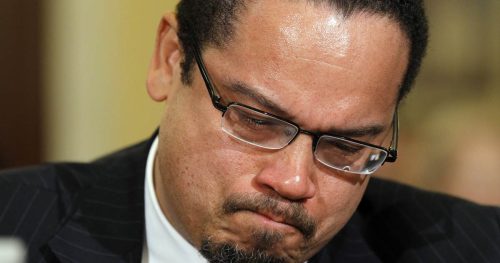
Chicago alderwoman Maria Hadden offered a version of that softened reaction, saying: “The kids were out doing normal things people do in the neighborhood. And it sounds like this might have been a wrong-place, wrong-time situation, running into a person who had a gun. They might have unintentionally startled this person at the end of the pier.” That exact quote echoes a pattern of responses that slide into victim-blaming rather than calling out failures. Telling grieving families their children were simply unlucky does not deliver justice or better policy.
There is a clear contrast between rhetoric and outcomes. If border policy lets unlawful entrants into communities, and local governments then act as if those entrants are just part of the scenery, the result is preventable death. The political left often speaks about compassion, yet defending policies that make neighborhoods less safe is neither compassionate nor responsible.
Families deserve honest answers about how an illegal alien ended up free in Chicago and why enforcement mechanisms failed. Prosecutors and elected officials should be pressed for clarity on custody history, prior arrests, and whether federal immigration holds were sought or honored. Accountability demands transparency from law enforcement and from political leaders who shape the rules and resource priorities that affect public safety.
Conservative voters see a pattern: lax federal policy, permissive local enforcement, and national media narratives that shield certain explanations from scrutiny. That pattern fuels anger and drives calls for concrete fixes—revamped border security, stronger cooperation between ICE and local police when warranted, and clearer rules on detaining individuals with immigration holds. These are policy moves, not political gestures, and they matter in preventing more young lives from being cut short.
Beyond policy, there is a cultural problem when public figures equate sympathy with excuses that undermine deterrence. Saying victims were in the wrong place at the wrong time should not be a substitute for demanding the system worked to keep predators out. Citizens expect their leaders to both mourn and act, to offer compassion that comes paired with reforms.
The conversation now should center on facts, accountability, and sensible changes that protect neighborhoods without sacrificing constitutional rights. That means tracking how the suspect entered and moved through the system, assessing the role of federal policies, and making sure local rules do not inadvertently shield dangerous individuals. Voters will keep pushing until they see consistent answers and measurable improvements.
Political spin will keep arriving from every direction, but the core remains simple and urgent: Sheridan Gorman is gone, and her death deserves clear-eyed responses that reduce the chance of more avoidable tragedies. Elected leaders who prioritize safety over excuses will find broad public support for policies that restore control at the border and restore security on city streets.