Last week in Chicago, 18-year-old Sheridan Gorman was fatally shot on March 19 while walking with friends, and the suspect, 25-year-old Jose Medina, has been charged with first-degree murder; the case has raised furious debate over media coverage, sanctuary policies, and border enforcement.
Sheridan Gorman was a Loyola University student whose killing in the early hours has become shorthand for bigger failures many conservatives see in policy and reporting. The suspect, Jose Medina, 25, was arrested and charged with first-degree murder, and reports indicate he is in the country illegally. That combination—an American college student dead and an alleged illegal immigrant accused—has set off a predictable clash over how the press frames tragedies. Some observers say the story is being downplayed because it does not fit a particular narrative favored by the mainstream media.
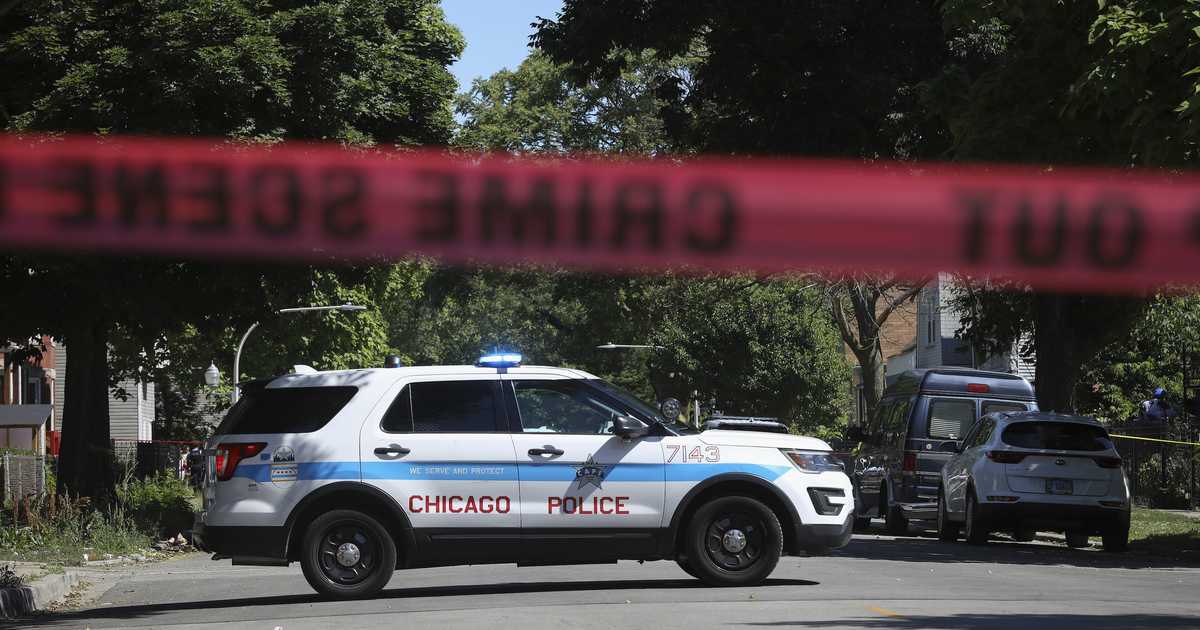
For days, the police said little about what happened, only that “an unknown male offender” had approached the group at about 1:30 a.m. on Thursday, displayed a gun and fired in their direction. Ms. Gorman, 18, who was recalled by friends as generous and fun, was killed.
Venezuelan illegal migrant accused of killing Loyola student Sheridan Gorman entered country under Biden, DHS confirms https://t.co/N2zH6zds4P pic.twitter.com/WZhuEuksKe
— New York Post (@nypost) March 22, 2026
As Ms. Gorman’s family and friends grieved, her death was thrust into the nation’s contentious immigration debate on Sunday when the Trump administration said that a man arrested in connection with the killing was from Venezuela and in the United States illegally.
“She was failed by open border policies and sanctuary politicians,” said Lauren Bis, a spokeswoman for the Department of Homeland Security, in a statement that called for the man to remain in jail.
The man, Jose Medina, 25, was charged with first-degree murder and attempted first-degree murder, the Chicago Police Department said on Sunday. Mr. Medina, whose name was rendered as Jose Medina-Medina by federal officials, was arrested on Friday and expected to make an initial court appearance on Monday. It was not known whether he has a lawyer.
That block of reporting helped fuel a sharp, partisan response, and the administration quickly used the case to hammer sanctuary policies and border laxity. Conservatives see this as exactly the scenario critics predicted: a person allegedly in the country illegally who, had they been properly removed or detained, might never have been on the streets that night. For many, the real scandal is less the crime itself than the systems and policies that allowed the suspect to stay in the country after prior encounters with law enforcement.
Media critics say national outlets have been selective in what they amplify, treating similar stories differently depending on whether the accused fits a politically useful category. That charged observation ties into the “Laken Riley 2.0” label some commentators are using to describe the perceived pattern: tragic young woman killed, the case tied to immigration, and a rapid narrative fight over blame. Conservatives argue that this pattern shows both an editorial double standard and a political reluctance to press the issues that make voters uneasy about open-border policy.
As Fox News’ Bill Melugin posted on social media, “Yet another Venezuelan illegal alien allowed into the country by the Biden administration, then released again by a sanctuary jurisdiction on a shoplifting arrest, now accused of murdering an innocent young American college student.”
That social media post captures why the debate has moved so quickly from local tragedy to national policy fight: it’s not just one killing, it’s a claim that enforcement failures stack up into preventable deaths. Conservatives frame the argument simply: enforce existing immigration laws, secure the border, and don’t let jurisdictions routinely release people who are here illegally and arrested for crimes. To them, these are practical steps that reduce risk and uphold the rule of law.
Opponents will point out that Americans commit crimes too, and that criminal behavior is not the exclusive province of immigrants. But many on the right find that retort hollow in cases where an individual’s presence in the country could have been stopped by routine immigration enforcement. That distinction matters politically because it shifts focus from abstract debates about crime to concrete policy choices that could have altered outcomes.
The anger on the right goes beyond policy wonkery; it’s visceral and personal. Families of victims want accountability, and when a preventable death intersects with debates over sanctuary policies and asylum adjudication, the result is a loud, unforgiving political response. For Republicans, this case is being used to demand clearer, tougher enforcement and to push back on media coverage they view as uneven.
There will be legal proceedings, and facts will continue to emerge from the Chicago investigation and any federal inquiries. Meanwhile, the case has already done what many politically minded stories do: it’s forced voters and officials to choose which side of a policy divide they stand on when it comes to borders, local enforcement, and how tragedies are covered and remembered.