A Michigan synagogue attack uncovered troubling Hezbollah connections, raised questions about media coverage, and highlighted the political fight over DHS funding.
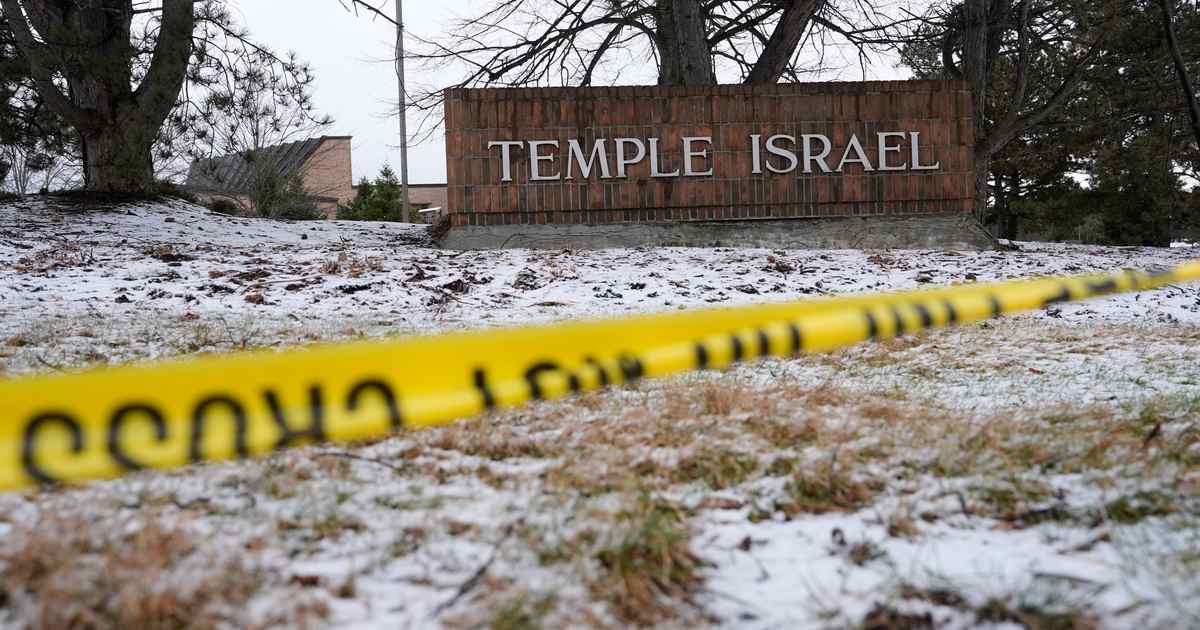
Last week a man drove a truck packed with fireworks and accelerants into Temple Israel in West Bloomfield Township, Michigan, and opened fire. Ayman Mohamad Ghazali, 41, exchanged shots with two security guards before dying of a self-inflicted gunshot wound. The attack targeted a house of worship and young worshippers, and it shocked the local Jewish community.
Initial reporting softened the picture, with some outlets calling Ghazali a “quiet restaurant worker,” and local officials suggesting he attacked because he “lost family members” in overseas strikes. Those portrayals spread before investigators had finished piecing together his background. As more details emerge, the narrative looks incomplete and, in places, misleading.
Investigators now say the suspect’s family and contacts paint a very different picture than the initial human-interest angles suggested. Ghazali’s brother, Ibrahim Muhammad Ghazali, has been identified as a Hezbollah terrorist, and reporting indicates Ayman had more extensive ties to Hezbollah operatives than first reported. Officials are looking at an overseas trip, phone contacts with known members, and behavior patterns that raised red flags in recent months.
All of this happens while Democrats keep the Department of Homeland Security closed and refuse to fund ICE in ways that would strengthen enforcement at the border. That political choice matters because homeland security is not abstract when Americans are being targeted on U.S. soil. Funding and staffing decisions determine whether federal agencies have the tools to spot organized foreign influence and homegrown radicalization.
Shocking extent of Michigan synagogue attacker Ayman Ghazali's Hezbollah links revealed https://t.co/bDCuTGmHes
— Daily Mail (@DailyMail) March 16, 2026
Law-enforcement sources have told media outlets that American authorities had previously taken note of Ayman Ghazali’s connections to individuals linked to Hezbollah.
Sources cited by CNN said Ghazali had been flagged in US government databases because of his contacts with members of the militant group, though officials did not believe he himself was a member.
According to law-enforcement sources cited by the New York Post, investigators discovered contacts with known Hezbollah members in Ghazali’s phone in 2019 when he was questioned after returning from an overseas trip.
…
Yet colleagues said Ghazali had been absent from work in the weeks leading up to the attack.
According to the Department of Homeland Security, Ghazali entered the United States in May 2011 on an immigrant visa granted to spouses of American citizens.
He later applied for naturalization and became a US citizen on February 5, 2016.
Court records show his ex-wife filed for divorce in Wayne County Circuit Court in August 2024. The divorce was finalized in March 2025 and included a child-support order.
Authorities say Ghazali called his former wife shortly before the attack and asked her to take care of their children.
Officials have stopped short of labeling Ayman Ghazali a formal Hezbollah member, but the evidence of contacts, travel, and a family connection to a known commander makes that distinction less reassuring. The pattern looks like more than isolated sympathy or online rumor. Phone records and prior questioning after overseas travel are the kinds of data points counterterrorism analysts watch closely.
Given the brother’s status and the discovered contacts, it is reasonable to consider that Hezbollah influence played a role in the attack. The possibility that this was an orchestrated act, or inspired by external militant networks, can’t be dismissed and demands serious federal attention. Local law enforcement did its job under fire, but national agencies must connect the dots.
How many other operatives or sympathizers are active inside the country remains an open, urgent question. Political choices that hobble DHS and limit ICE’s capacity make it harder to answer that question and to act on the answers. Americans deserve a robust homeland security posture that protects worshippers, schools, and communities from foreign-directed violence.
Editor’s Note: For decades, former presidents have been all talk and no action. Now, Donald Trump is eliminating the threat from Iran once and for all.