NRSC mocked James Talarico’s vegan pitch with parody shirts after a resurfaced video showed him arguing reduced meat consumption is necessary to fight climate change, and the move has Republicans using Texas culture and economic facts to undercut his Senate bid.
Last week a clip resurfaced of Texas Democrat James Talarico promoting veganism as a climate solution, and it landed like a lead balloon in a state where beef and ranching are woven into local identity. The video drew sharp reaction because Talarico framed animal welfare and cutting meat consumption as part of an existential fight against climate change. That message collided with Texas voters’ attachment to agriculture and small-town traditions.
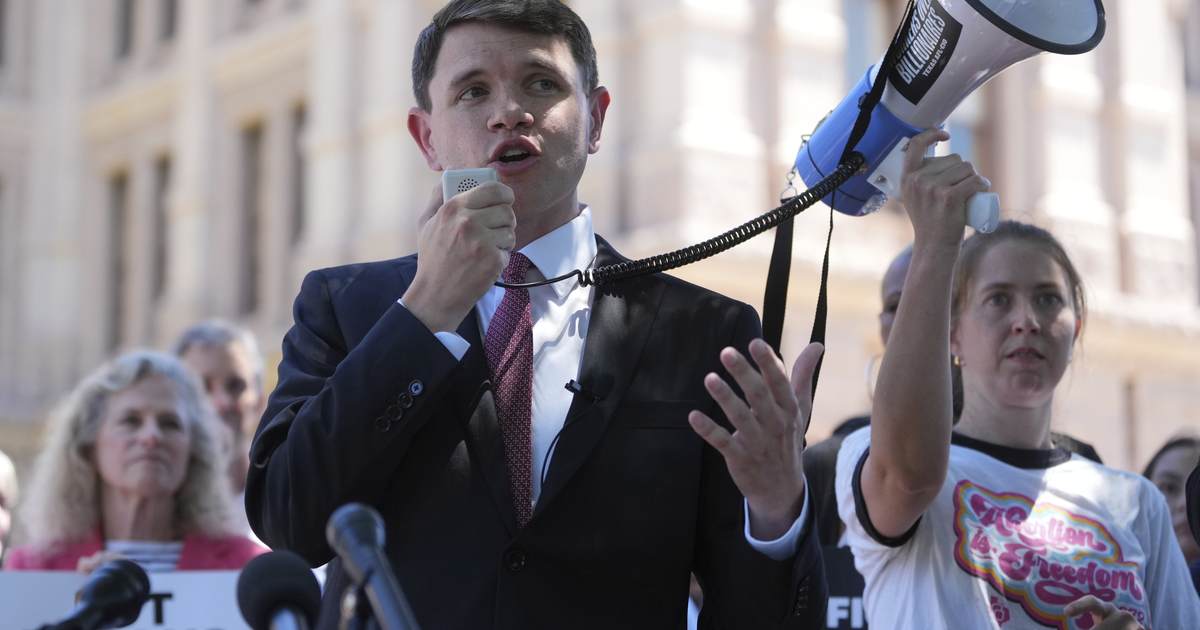
“We have, I think, heard more and more issues of animal welfare I think not just because it’s the right thing do to and the moral thing to do, but also it’s — as all of you know — necessary to fight climate change. It is now existential that we try to reduce our meat consumption and that we try to respect animals in all aspects of society,” Talarico said. The quote became the fulcrum of criticism, because it suggested policy priorities out of step with mainstream Texas culture. Opponents jumped on the line about consumption and morality to paint him as disconnected from voters who make their living off livestock.
🚨James Talarico goes FULL VEGAN:
"Our campaign has officially become a non-meat compaign…We're only buying VEGAN products…!"
Is this guy TRYING to lose Texas voters?pic.twitter.com/XrKsqsxSZA
— Townhall.com (@townhallcom) March 17, 2026
Texas’ animal agriculture scene is not just sentimental; it’s a major economic engine, contributing almost $40 billion and supporting almost 250,000 jobs across the state. That’s a hard fact to ignore when a candidate proposes cultural shifts that could be read as targeting an entire industry. People working in processing plants, ranches, and feed businesses see livelihood and identity wrapped together, and political messaging that appears to threaten that will get attention fast.
The Talarico campaign tried to blunt the damage by circulating images of him eating meat the next day, a quick attempt at damage control that only amplified the original oddity. Republicans framed the flip as evidence Talarico’s message doesn’t hold up under scrutiny and that the campaign is scrambling. The optics made it easy for opponents to cast him as either inconsistent or insincere.
In response, the National Republican Senatorial Committee rolled out a line of merch designed to mock the vegan pitch and rally conservative voters. The three shirts riff on familiar Texas and fast-food symbols: one reads Eat Mor Tofu, playing on a well-known poultry chain’s style, another jokes Whatavegan?, echoing a regional burger brand, and a third shows a steak with the words Come and Take It. The designs are blunt, culturally pointed, and aimed squarely at turning a policy position into a rallying cry.
“James Talarico’s campaign to rid the world of Texas barbecue isn’t just out-of-touch, it’s economically devastating to a state where cattle is the number one commodity,” said NRSC Regional Press Secretary Samantha Cantrell. That framing ties culture to commerce, arguing the candidate’s rhetoric threatens both. It’s a simple argument: voters who rely on ranching and meatpacking won’t take kindly to leadership that seems to suggest reducing their industry is an existential imperative.
The Republican playbook here is straightforward and effective: convert elite-sounding climate messaging into a relatable, local story about jobs and way of life. Merchandise, mockery, and messaging that emphasize cattle as a top commodity make the point without heavy policy debate. It’s about connecting broad national issues back to kitchen tables and paychecks in Midland, Amarillo, and beyond.
Beyond the shirts, this episode highlights a larger political risk for candidates who adopt policy positions that clash with their constituents’ economic reality. Voters notice when a politician’s rhetoric feels imported from another coastal debate and not grounded in local priorities. Opponents can use that dissonance to question judgment and alignment with everyday Texans.
The NRSC’s move also serves a practical tactical goal: energize the base and crystallize an attack line that’s easy to repeat and hard to ignore. Culture-war symbolism sells well in political cycles, and parody tees give supporters something tangible to wear to rallies and fundraisers. On the ground, those visuals help translate a viral clip into sustained political momentum against a candidate who now has to explain why his climate recommendations sound like a threat to Texas barbecue and livelihoods.
This is the kind of political theater that works in close races: a viral moment, a crisp counter that ties into regional pride, and a way to keep the story alive beyond one news cycle. For Talarico, it’s an awkward reminder that messaging matters in a state where cattle, grills, and Saturday cookouts are more than tradition; they are an economic backbone and a political reality. The NRSC’s merch campaign simply turns that reality into a focused, populist shot at his Senate hopes.