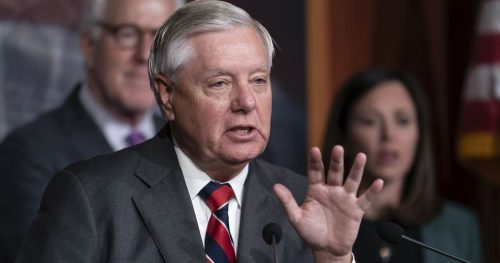
Sen. John Curtis’ CNBC appearance alongside Sen. Adam Schiff exposed the senator’s moderate instincts during the Department of Homeland Security fight, raising questions about his stance on immigration and future amnesty battles. The exchange highlighted tensions inside the GOP over who will hold the line on deportations, ICE authority, and DHS funding as 2026 approaches.
Sen. John Curtis (R-UT) has long been viewed as a moderate voice who often breaks with conservative activists. He replaced Mitt Romney, and that history matters when every Senate vote can swing a close fight. With a handful of reluctant senators in play, Curtis’ choices carry weight beyond Utah.
The recent DHS funding standoff landed him on CNBC, sitting next to Sen. Adam Schiff (D-CA), which is telling in itself. The coverage focused on how the shutdown affects day-to-day operations, and Curtis didn’t push back in the way the right expects. That posture frustrated conservatives who want clear, hardline positions from GOP senators.
The concrete reality on the ground is simple: ICE operations and deportation authority remain outside the immediate impact of the shutdown, while TSA workers and travelers feel the pinch. The policy confusion hasn’t helped messaging, and Democrats seem content to weaponize disruption. This makes a steady GOP narrative on enforcement all the more important heading into the next fights.
On-air, host Joe Kernen found himself surprised by Curtis’ approach, and that reaction summed up what many voters feel. When a conservative host ends up arguing with a sitting Republican Senator about immigration priorities, you know there’s a disconnect. That dynamic feeds the sense that some GOP senators are more willing to negotiate away enforcement than rank-and-file voters want.
Awkward moment: Joe Kernen stunned as he realizes that Senator John Curtis is giving him liberal talking points on amnesty.
"I thought I'd be arguing with you [Adam Schiff]!" pic.twitter.com/xlrZ3P78UD
— Townhall.com (@townhallcom) March 25, 2026
There’s also a larger political picture: if Democrats improve their standing in the 2026 midterms, the pressure for amnesty-style compromises will only grow. Curtis’ tone on CNBC suggests he could be open to deals that the conservative base rejects. That possibility makes the coming year a crucial test of where he really stands.
Conservative activists worry Curtis will bend on core enforcement issues when the bipartisan bargaining begins, and they aren’t alone. The Senate already has a small group of moderates who frequently complicate unified GOP strategy, and Curtis fits into that category. His vote could tip any close measure and shape long-term policy.
John, the GOP position is no to amnesty, in case that wasn’t clear. That line needs repeating because one soft vote can become precedent for more concessions. Rank-and-file Republicans expect elected officials to articulate and defend that position in every negotiation.
There are practical stakes here beyond headlines: firm enforcement policy affects border security, legal immigration processing, and the credibility of our immigration laws. A senator who signals flexibility on enforcement invites pressure from the other side to expand exceptions. The consequence is a policy drift conservatives want to stop.
Watching media exchanges matters because they shape perceptions and set expectations. When a national host appears taken aback by a Republican senator, it alters how voters see leadership and resolve. Curtis may prefer pragmatic bargaining, but optics count during a prolonged fight over DHS and immigration.
For Republican voters who prioritized secure borders in recent election cycles, Curtis’ performance was disappointing. They want clarity and firmness rather than nuanced compromises that sound like surrender. Senators in tight margins should remember that hesitation can have political costs at home and in the conference.
Members who oppose amnesty-style deals will press harder if moderates suggest openness to tradeoffs that dilute enforcement. The GOP needs leaders who can stand firm on deportation authority and ICE’s mission without equivocation. Compromise has a place, but it cannot come at the expense of core enforcement principles.
Curtis now faces a choice: move toward the base and help craft a conservative alternative, or drift with the moderates and risk being the swing vote that enables broader amnesty. Either path will shape his reputation in conservative circles and his viability in future contests. Voters and activists will remember which way he leans when bills reach the floor.
Expect the debate to intensify as lawmakers negotiate funding and enforcement language. Media moments like the CNBC segment are preview windows into how those negotiations might unfold. The GOP’s ability to hold firm on ICE, deportations, and DHS priorities hinges on senators who don’t fold under pressure from colleagues or cable hosts.
Editor’s Note: Do you enjoy Townhall’s conservative reporting that takes on the radical left and woke media? Support our work so that we can continue to bring you the truth. Join Townhall VIP and use promo code FIGHT to receive 60% off your membership.