Texas has moved to require legal authorization for professional licenses, touching thousands of workers from hairdressers to HVAC techs, and reigniting debates about public safety, immigration enforcement, and who should be eligible for state-regulated jobs.
Giving illegal immigrants commercial driver’s licenses has been a long-standing issue with deadly consequences, and the country keeps seeing the fallout. Last month an immigrant identified as Singh Sukhdeep ran a red light in Hendricks County, Indiana, in his semi and struck a northbound pickup. The pickup, driven by 64-year-old Terry Schultz, was pushed across a grass median and into another vehicle, and Schultz was killed.
State and federal efforts to roll back licenses issued to people without legal status have run into court battles and delays, and many Americans worry judges will block further moves. Texas has now taken a firm line: professional licenses will require proof of legal authorization to be in the United States. That policy change reaches beyond truckers to hairdressers, electricians, HVAC techs and others in regulated trades.
Here’s more:
Texas agency now requires proof of legal status to apply or renew licenses, potentially disqualifying thousands of hairdressers, electricians, HVAC technicians and others professionals. https://t.co/r2Ds0JpW8G
— Austin Statesman (@statesman) March 15, 2026
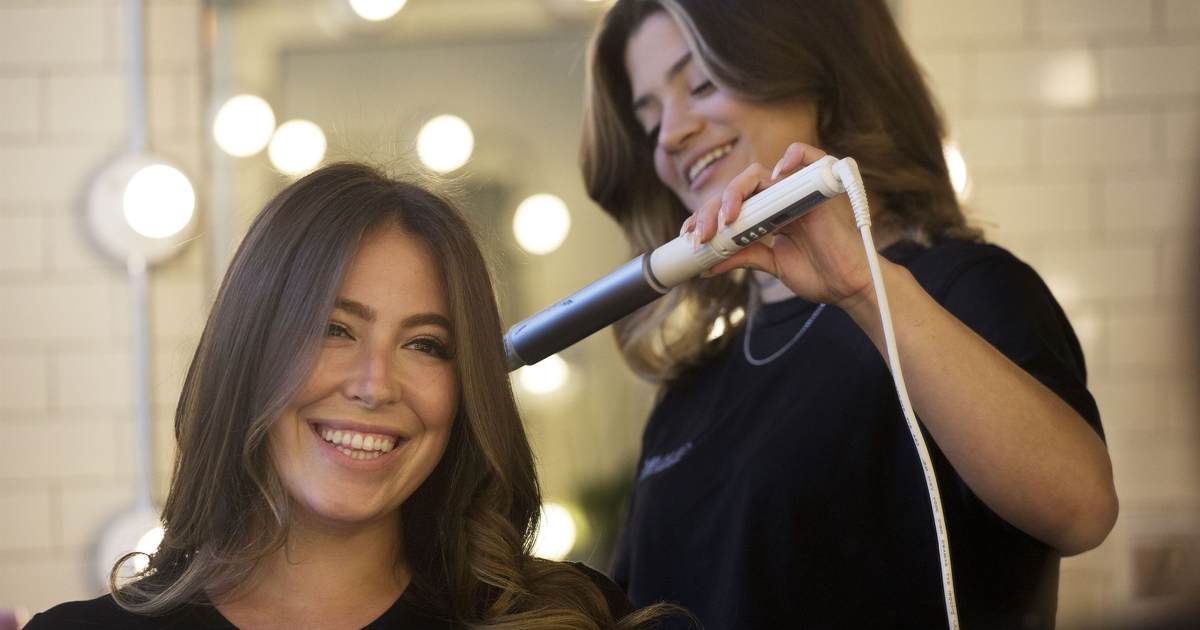
Iris Yanez spent 12 months and $13,000 working toward a Texas hairdresser’s license. By the time she finished the requirements in early February, a quiet policy change by the state had already made her ineligible.
“I’m going to have two credentials that I’m not going to be able to use,” said Yanez, an immigrant without legal status who also has a state license for eyelash extensions.
The 45-year-old was caught in a sudden shift by the Texas Department of Licensing and Regulation that now requires applicants to provide proof of legal authorization to be in the United States.
Yanez is one of potentially thousands of hairdressers, barbers, electricians and HVAC professionals across Texas who are ineligible to obtain or renew professional licenses after the state agency added the requirement in late January. The department’s commissioners could vote to make the policy final as early as March 24.
There’s a separate conversation to be had about whether the state should license tasks like hair braiding, but that’s a policy debate for another day. The basic point here is straightforward: if someone is not in the country legally, they should not have access to licensure that opens doors to regulated work and taxpayer-protected privileges.
These jobs can pay well and provide stable livelihoods, which is why the licensing question matters beyond symbolism. Allowing people without legal status to hold licenses creates distortions in labor markets and raises fairness issues for citizens and legal residents who must meet the same requirements. That economic angle is part of why the policy shift in Texas has stirred so much heat.
That clarity is, frankly, the more honest headline about what the rule change does and why it matters to voters. If licensing systems reward legal presence and qualification, they also protect consumers and the rule of law. Regulations should serve public safety, economic fairness and common-sense enforcement, not inadvertently reward unlawful status.
Yes. Being in the United States illegally is a crime punishable by deportation.
Making it harder to obtain state licenses without legal authorization will push some who lack status to leave voluntarily, just as cutting off certain public benefits does. That is the practical effect supporters point to: enforce the law consistently and reduce incentives for unlawful presence. It is a policy that aligns enforcement with the notion that immigration rules have consequences.
Or, critics argue, the system signs off on illegality and looks the other way, letting people work despite their status and creating mixed enforcement across states. That argument fuels disputes over federal versus state responsibility and how far states can go to set their own conditions for licensure. The tension is political, legal and very real for the people whose livelihoods hang in the balance.
That is an excellent question.
Editor’s Note: Thanks to President Trump, illegal immigration into our great country has virtually stopped. Despite the radical left’s lies, new legislation wasn’t needed to secure our border, just a new president.
Help continue coverage of enforcement and border policy by supporting independent reporting and public debate about how states and the federal government should manage immigration and protect citizens.