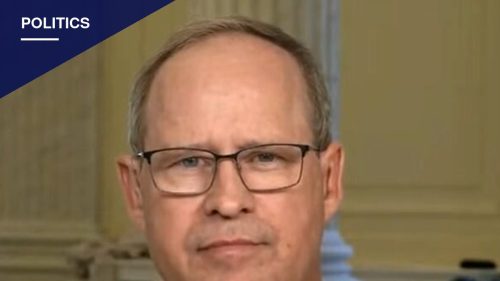
Treasury Secretary Scott Bessent has unveiled a whistleblower reward program aimed at rooting out Medicare and Medicaid fraud, offering significant payouts drawn from fines when tipsters help secure large monetary penalties.
Treasury Secretary Scott Bessent announced a new anti-fraud initiative to encourage reports on Medicare and Medicaid abuse, saying the program will reward people who come forward. The initial announcement described rewards of up to one-third of fines recovered from fraudsters, putting real money on the table for those who expose wrongdoing. The plan targets large-dollar schemes and is framed as a taxpayer-protection measure that puts enforcement teeth behind policy.
The program includes tips for Medicaid and Medicare rip-offs — and given that fraud in those two programs tops some $70 billion per year according to one estimate, whistleblowers could be in for some big payouts.
🚨REPORT🚨
Treasury Secretary Scott Bessent will roll out a new program offering tipsters up to 30% of fines recovered from Medicare and Medicaid fraudsters.
Given estimates of over $70 billion in yearly fraud across the two programs, whistleblowers could earn significant… pic.twitter.com/sZST6H1Ilj
— Breanna Morello (@BreannaMorello) March 29, 2026
Other forms of financial crimes are also included.
The move comes after Bessent visited Minnesota in January, which had become ground zero for a sprawling web of scams by Somali immigrants, who allegedly ripped off government welfare programs to the tune of at least $9 billion since 2018.
The payments will come directly from fines, rather than having the American taxpayers foot the bill, according to confidential Treasury documents obtained by The Post.
“Individuals located in the United States or abroad who provide information may be eligible for awards if the information they provide leads to a successful enforcement action that results in monetary penalties exceeding $1,000,000,” one of the documents reads.
It would mirror a similar scheme run by the Internal Revenue Service, which is also overseen by the Treasury Department.
Bessent appeared on CNBC’s Squawk Box to discuss the effort and signaled the program’s immediate start, emphasizing practical enforcement over press releases. He pointed to Minneapolis as the place that spurred action, after a string of alleged scams became a national concern. Republican leaders have pushed for tougher defenses of entitlement programs, and this initiative lines up with that approach.
“It’s very exciting. I think it’s going to be a great way to ferret out waste, fraud, and abuse,” Bessent said, “starting in Minneapolis, which has been ground zero. So, we are encouraging whistleblowers who know about fraud, people who are stealing from the American taxpayer, to come forward.”
“At Treasury, we are setting up a website and we will be giving rewards up to ten to 30 percent of the fines that we levy,” Bessent added.
One Treasury official framed the program as protecting citizens from funding foreign terror or luxury purchases for fraudsters, insisting tax dollars must be defended. That language reflects a hard-line stance on fraud that many Republicans favor — aggressive enforcement and direct financial incentives to expose criminal behavior. Officials say the awards are tied to substantial penalties so the system stays focused on significant, provable schemes.
Past investigations into organized fraud, particularly the case cited in Minnesota, convinced Treasury leaders a new tool was needed to get insiders and witnesses to step forward. The department plans to set up an online portal and coordinate with enforcement partners to turn tips into cases. The structure will borrow elements from the IRS whistleblower program, which has precedent and a record Treasury can study.
The financial incentive is built to be unmistakable: awards are paid from collected fines and, in many cases, will trigger only when penalties exceed a seven-figure threshold. That cap is intended to ensure whistleblower payouts are linked to major recoveries, so small disputes won’t clog the system. The aim is to push those who know about organized theft to act, rather than let waste persist unchecked.
Officials argue the program works on two fronts: it stops theft and motivates employees, contractors, or witnesses who might otherwise stay quiet. Competition for rewards can break down the code of silence that protects sophisticated fraud networks. Treasury leaders expect that when money is on the table, insiders will be more willing to provide the evidence prosecutors need.
According to reporting tied to the announcement, the reward money would come from fines of more than $1 million, and the move follows an executive order by President Trump that pushed for a zero-tolerance approach to fraud across the federal government. Treasury will also alert banks and financial institutions to watch for suspicious activity tied to social program theft. Vice President Vance addressed the anti-fraud task force at the program’s launch, underscoring the administration’s focus on enforcement and protection of taxpayer dollars.
Whistleblowers will have official channels to report suspected fraud to federal investigators and financial regulators, and the department hopes the program will surface cases that otherwise remain hidden. The message from Treasury is plain: when people steal from programs meant for Americans, the government will use every tool to stop them and return money to the public fisc.