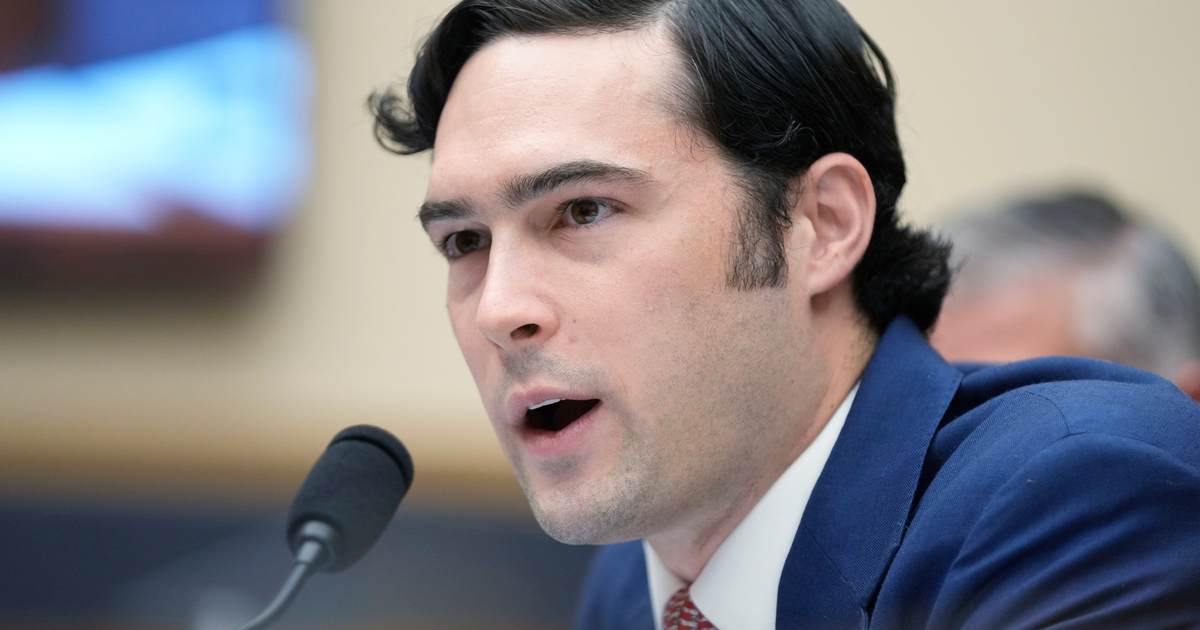
Rep. Brandon Gill pressed an abortion advocate hard at a congressional hearing, sparking a viral moment and a partisan reaction that highlighted how uncomfortable some activists get when pressed on the actual methods involved.
Republican Rep. Brandon Gill went after an abortion activist in a congressional hearing that focused on protests outside clinics, and the exchange quickly spread online. Gill asked pointed questions about the nature of abortion services, trying to force a straightforward conversation about methods and consequences. The back-and-forth showed how a routine hearing can become a national talking point when one side refuses to answer simple, direct questions. That refusal is part of why the clip resonated so widely among viewers who expect accountability from witnesses who claim to represent access.
Gill’s line of questioning was blunt and meant to make people think hard about what’s being described in abstract, policy-friendly terms. When he asked about an activist’s preferred method of abortion, the witness sidestepped by insisting she was an “access to reproductive healthcare advocate.” The dodge underscored the gulf between messaging that sanitizes the procedure and the more visceral realities that come up in plainspoken congressional exchanges.
Today I asked an abortion advocate what her favorite method of abortion is. pic.twitter.com/4Wvx4vo3i3
— Congressman Brandon Gill (@RepBrandonGill) April 28, 2026
When the advocate refused to answer Gill’s questions, the moment grew more telling than any prepared statement could be. Gill pushed, saying, “You don’t want to talk about abortion itself, why is that?” and then added, “Is it because it’s uncomfortable to talk about it? It should be uncomfortable.” Those lines landed because they highlighted how some conversations are kept abstract on purpose. For many conservatives and undecided voters, avoiding specifics feels like a deliberate effort to prevent a full public reckoning with what the procedures actually involve.
The reaction from the other side came fast and predictable. Democrat Rep. Shri Thanedar called Gill “creepy” for the line of questioning, turning the spotlight from the substantive exchange to a claim about tone. Thanedar is already known for odd social media moments, including a selfie incident at a fast-food location, which made his complaint about decorum feel less persuasive to viewers who wanted answers. Gill answered back by putting the same question to Thanedar, a move that framed the debate as one about transparency versus spin.
The clip made clear why Republicans like Gill press these points: voters deserve plain language on issues that involve life, science, and medical practice. Talking in euphemisms only deepens division because it prevents honest debate about the ethical and legal questions at stake. Republicans argue that public policy should be driven by clear facts and moral clarity, not by slogans or protective language that keeps voters in the dark. That is why direct hearings, even when they get uncomfortable, matter.
Beyond the hearing itself, the exchange exposed a broader strategy from some advocacy groups to control the narrative by refusing to define terms. When activists decline to discuss methods, procedures, or outcomes in specific terms, they leave critics to question what else is being obscured. Gill’s approach aimed to remove the protective veil of jargon and force a more concrete conversation that the public can evaluate. For many conservative observers, that’s the proper role of a legislator in a representative democracy.
Critics of Gill framed the exchange as a personal attack rather than a policy probe, but that reaction misses the point. The hearing dealt with protests outside clinics, an issue that intersects law, public safety, and medical ethics. Whether one supports or opposes abortion, it is reasonable to expect advocates testifying before Congress to be willing to discuss the substance of their claims. Avoiding specific answers undermines credibility and fuels the very distrust that roils national debate.
The viral nature of the video shows how tightly polarized our media environment is: short clips that seem raw or confrontational can convince millions that a side is hiding something. For conservatives watching Gill’s performance, the exchange was a rare moment of straight talk on a charged subject. For Democrats and some activists, it was proof that tone policing can distract from policy. The split reaction is exactly why such hearings continue to draw attention from both sides of the aisle.
Good on Gill for not shying away from putting the pressure on the “shout your abortion” crowd and for insisting that uncomfortable subjects deserve plain answers. The moment underscored a larger debate about whether public discussion should be sugarcoated or held to the kind of scrutiny voters expect. In a democracy, elected officials have a duty to press witnesses until clarity replaces dodge, and that’s precisely what this exchange delivered.