President Trump’s agenda is driving two major, historic shifts in U.S. energy: a new domestic oil refinery and the permit for a first-of-its-kind commercial advanced nuclear reactor, moves supporters say will boost supply, jobs, and national security.
For the first time in decades, the United States is preparing to expand large-scale energy production in two distinct ways: conventional refining capacity and advanced nuclear power. Officials announced this week that construction will soon begin on a new oil refinery, and regulators have cleared the way for a commercial advanced reactor.
America First Refining will build what is being described as the first newly constructed U.S. oil refinery in fifty years at the Port of Brownsville in southern Texas. The company and the administration say the project represents a historic industrial investment valued at roughly $300 billion and is expected to create construction jobs, long-term operations roles, and renewed local supply chains.
JUST IN – Trump announces that "America First Refining is opening the FIRST new U.S. Oil Refinery in 50 YEARS in Brownsville, Texas," and thanks "our partners in India, and their largest privately held Energy Company, Reliance, for this tremendous Investment."
— Disclose.tv (@disclosetv) March 10, 2026
The refinery sits near a growing industrial corridor that has attracted other big projects in recent years, and proponents argue putting refining capacity on U.S. soil reduces reliance on foreign processing and tightens control over supply chains. Expanding domestic refining means more of the crude produced here can be refined here, which supporters claim helps stabilize fuel prices and protects American consumers from overseas market shocks.
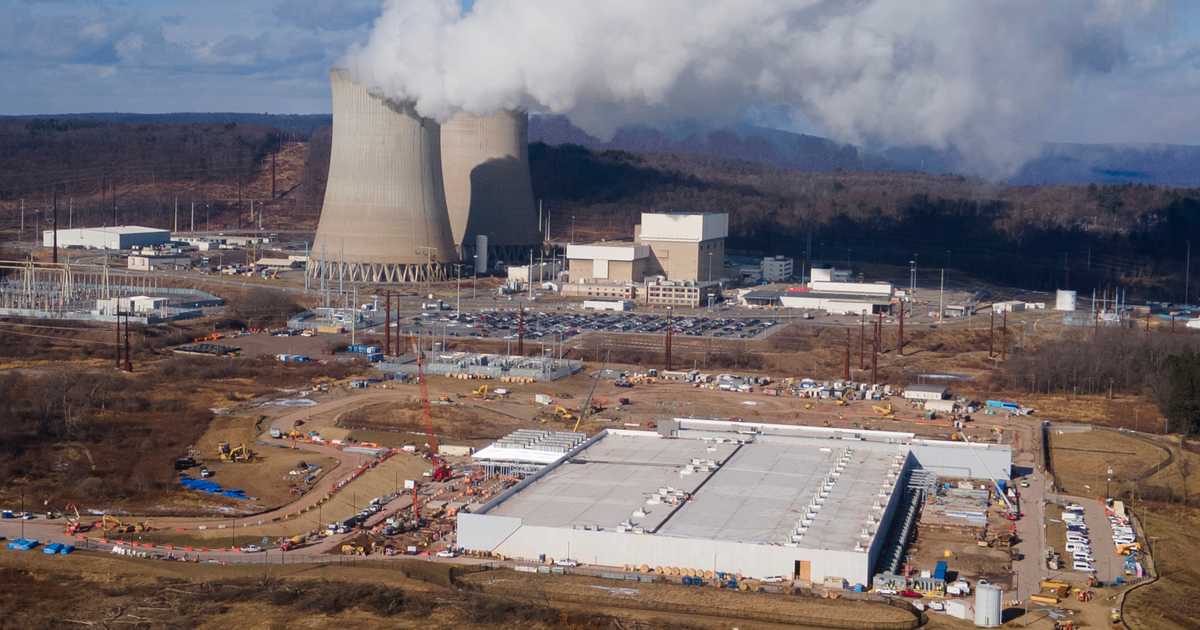
The other headline is the Nuclear Regulatory Commission issuing a construction permit for a commercial non-light-water power reactor in Wyoming. Regulators and the Department of Energy framed the action as a milestone for advanced nuclear technology and for diversifying the nation’s low-carbon baseload options.
“This is the first construction permit ever issued by the NRC for a commercial non-light-water power reactor and represents a historic step toward deployment of a new generation of advanced reactors in the United States,” the Department of Energy said in a press release. That exact wording underscores how federal officials view the permit as both regulatory precedent and a signal to private investors.
Work unrelated to the reactor’s core systems began on site in 2024, and with the construction permit now issued, crews are slated to start building the reactor itself. If completed, it will be the first nuclear reactor constructed in the state of Wyoming, expanding nuclear energy’s geographic footprint and offering potential new labor and supply opportunities in the region.
Supporters of both projects frame them as complementary: more refining capacity to meet immediate liquid fuel demand and advanced nuclear to provide reliable, low-emission electricity over the longer term. That mix is pitched as a practical energy strategy rather than an ideological choice, aimed at keeping power affordable while strengthening resilience against international disruptions.
From a policy perspective, these developments reflect a broader push to prioritize energy affordability and security, objectives the current administration has emphasized repeatedly. Advocates argue that regulatory clarity, targeted permitting, and federal backing for advanced technologies are beginning to deliver tangible projects that private capital will scale up.
Critics may raise environmental, permitting, or community-impact questions, and both projects will face scrutiny during construction and operation. Still, backers point to immediate local benefits—jobs, infrastructure investment, and new tax bases—as reasons these initiatives are considered significant milestones in U.S. energy policy.
Taken together, the refinery announcement and the NRC construction permit signal a shift toward rebuilding domestic industrial capacity while advancing next-generation nuclear options. Whether these projects become lasting pillars of American energy independence will depend on execution, continued regulatory support, and how market conditions evolve during construction and early operation.