Protest coverage from the “No Kings” rallies shows a scattershot crowd, a muddled message, and surprising turnout among older voters, while local officials and organizers seized the stage to press broad left-wing demands.
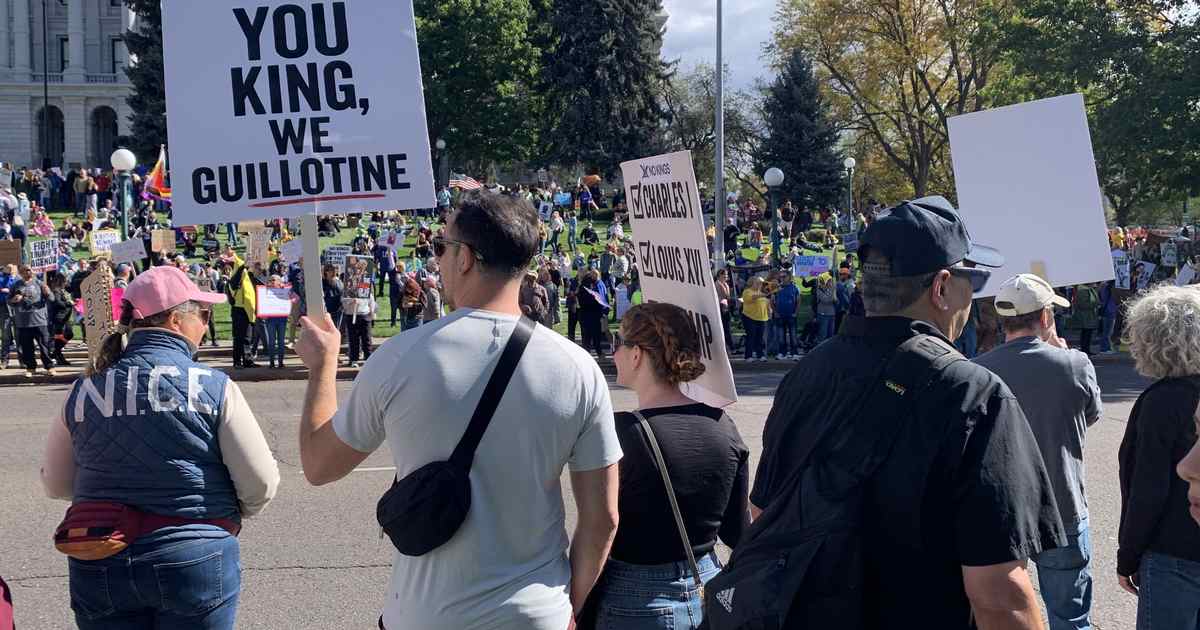
“Protestors are showing out for the “No Kings” rally today.” The scene mixed earnest activists with a surprising number of senior citizens, many of them white and plainly visible in crowd footage. A number of attendees seemed unsure why they were there when asked, which left organizers to fill the void. The contrast between theatrical protest moments and confused participants was striking.
Officials and politicians quickly read the crowd differently, treating the event as a platform. Minnesota Gov. Tim Walz showed up and used his appearance to speak directly to Somali communities, a move some saw as pandering more than leadership. That appearance came after investigative reporting by Nick Shirley that exposed problems in the state, which critics say weakened the governor’s standing. The optics of a governor courting a specific voting bloc at a demonstrative event raised eyebrows among many observers.
There were disturbing tactics at play to inflate turnout and enthusiasm, according to eyewitness accounts. Organizers were accused of bussing residents from assisted living and memory care facilities to the rallies, a tactic critics called exploitative. Reports suggested that some attendees were brought along without full understanding of the event’s purpose, which turned genuine civic action into orchestrated spectacle. Those scenes undercut claims that the movement sprang purely from grassroots energy.
"Is there any decision [from Trump] in particular you disagree with?"
Her: *critical error-system reboot* pic.twitter.com/sd2OQOn0fZ
— Damani Felder (@TheDamaniFelder) March 28, 2026
When organizers did speak, their platform wandered across traditional leftist talking points rather than a focused message tied to the rally’s name. In Minnesota, speeches quickly shifted to attacking fossil fuels, billionaires, and foreign policy debates like the Iran conflict. Organizers also pushed for domestic policy shifts including universal healthcare, wealth taxes, a higher minimum wage, and rent freezes, a grab bag of proposals not directly related to the rally’s original framing. That scattershot agenda left many attendees and viewers wondering what the protest actually stood for.
Footage and social posts from the rallies amplified the chaotic feel, with clips showing chants, celebrity appearances, and a mix of serious protesters and those simply along for the spectacle. The blend of icons, elderly attendees, and scripted lines made it difficult to separate authentic civic engagement from staged drama. Conservatives watching the coverage saw evidence that the event was more theater than movement, designed to generate headlines instead of policy debate. The result was a narrative that favored optics over substance.
Local reaction was split, with community leaders questioning the long-term impact of such events on civic discourse. Some activists argued the demonstrations raised important issues, while others within the broader public worried about manipulation and misrepresentation. The involvement of high-profile politicians and celebrity figures only heightened the sense that the rallies were being used for political theater. That dynamic left voters skeptical about the sincerity behind the slogans.
Coverage pushed across many platforms, and the visual record now serves as a touchstone for debates about turnout and intent. Critics pointed to images of elderly participants and questioned the ethics of transporting vulnerable people to political events. Supporters dismissed those claims as partisan attacks, but the controversy itself became part of the story. In the end, the footage raised more questions than it answered about how modern protest movements are organized and presented.
The No Kings rallies offered a clear lesson in modern political spectacle: a single event can be used for a dozen different messages depending on who controls the microphone. For skeptical voters, the event reinforced concerns about performance politics and the use of vulnerable populations in mass demonstrations. For organizers, it was a chance to repackage policy demands to a national audience, regardless of local relevance. Either way, the rallies will be debated as much for their optics as for any policy outcomes they claim to promote.