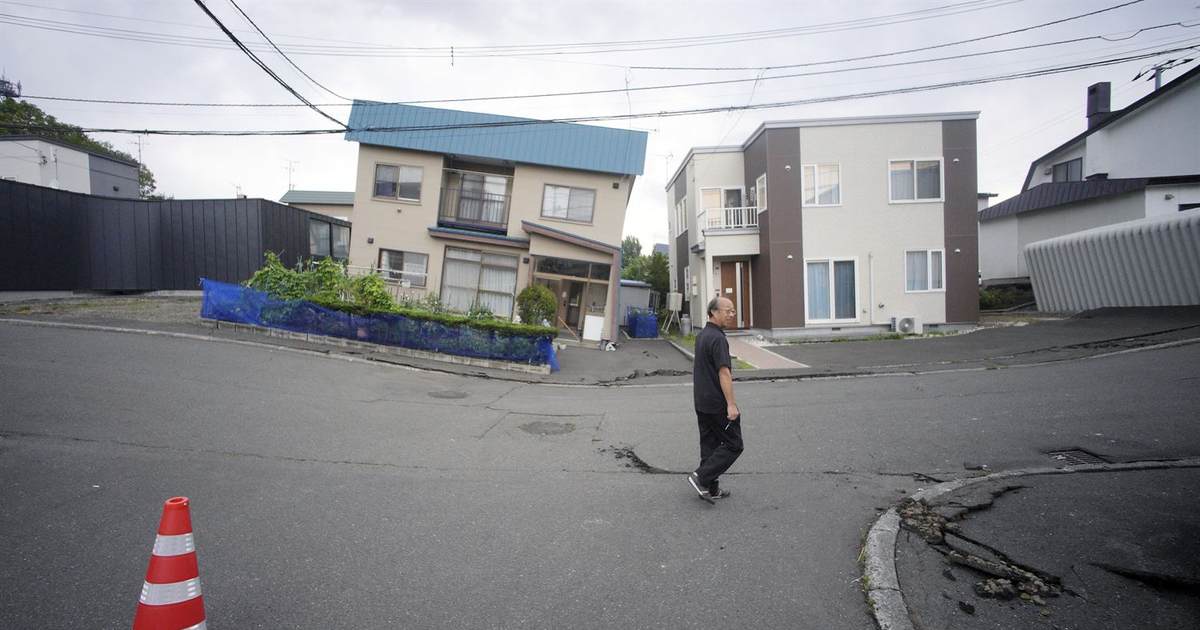
A powerful 7.2 magnitude earthquake struck off Japan’s northern coast, triggering tsunami warnings for multiple prefectures, sparking sirens and port precautions, and prompting concerns due to memories of the devastating 2011 disaster.
A major quake measuring 7.2 hit offshore in northern Japan, and people felt tremors as far south as Tokyo. Authorities quickly issued tsunami warnings for parts of the nation and moved to protect coastal communities. The initial reports show widespread alertness and swift action from emergency services.
Warning sirens sounded across affected areas and port operators moved vessels out to sea to reduce the risk of damage from incoming waves. Officials predicted waves as high as three meters (ten feet) in some locations, and residents along low-lying coasts were urged to move to higher ground. Local authorities emphasized caution while assessments continued.
🚨 BREAKING: Earthquake Strikes Japan, Tsunami Warning Issued
A preliminary magnitude 7.2 earthquake has struck Japan, prompting tsunami warnings for parts of the country.
Authorities have issued tsunami alerts for Iwate Prefecture and the central Pacific coast of Hokkaido,… pic.twitter.com/nzSMju5gqo
— Mossad Commentary (@MOSSADil) April 20, 2026
Regions receiving the strongest warnings included the Pacific coast of Aomori prefecture, Iwate prefecture, and the central part of the Pacific coast of Hokkaido. Lesser tsunami advisories were placed for Fukushima and Miyagi prefectures, the Japan Sea coast of Aomori, and both western and eastern parts of Hokkaido’s Pacific side. These tiered notices reflect varying expected impacts along different stretches of coastline.
Seismologists note that a 7.2 magnitude event is extremely powerful and capable of significant damage, especially if a tsunami follows. A related clip shows a 7.1 magnitude quake that struck Japan two years ago, illustrating how violent shaking can be and why officials take these events seriously. Emergency teams remain on alert for aftershocks and possible secondary impacts.
The timing of this quake revived memories of the 2011 catastrophe, which killed more than 22,000 people and left roughly half a million homeless. That disaster also damaged the Fukushima nuclear plant and produced long-term displacement for many residents; thousands still face barriers to returning amid lingering radiation concerns. The anniversary context heightens public anxiety and sharpens focus on preparedness.
Japan’s Meteorological Agency warned there could be quakes of similar size over the coming week, and local governments urged residents to monitor official channels and follow evacuation orders if issued. Emergency shelters were readied and search-and-rescue units prepared for rapid deployment where needed. Officials stressed that caution remains essential until aftershock patterns become clearer.
At this time, authorities reported no tsunami warnings or watches for Hawaii or the U.S. west coast, but international monitoring systems continued to track the situation. Coastal communities across the Pacific basin typically monitor alerts closely after large offshore quakes, and several agencies exchanged updates to assess any broader oceanic impacts. For now, major overseas risks appear limited.
Communities in northern Japan faced disruptive conditions as transportation and port operations adjusted in response to the threat. Ferry and shipping schedules were postponed or altered, and local officials coordinated evacuation guidance for vulnerable zones. The immediate priority was minimizing harm and ensuring emergency crews could reach areas that might be hit by tsunami inundation.
Emergency managers emphasized practical steps residents should take — move inland or to higher ground if you are in a warned area, stay away from the shoreline, and heed municipal evacuation instructions. Communication lines were busy with updates, and local governments mobilized volunteers and first responders. The resilience built since 2011 has improved response capabilities, but the human toll of large quakes remains a serious concern.
Here’s more from NBC News:
Japanese authorities have issued tsunami warnings for Iwate prefecture, the Pacific coast of Aomori prefecture and the central part of the Pacific coast of Hokkaido.
Lesser tsunami advisories have been issued for Fukushima prefecture, Miyagi prefecture, the Japan Sea coast of Aomori prefecture, and the western and eastern parts of the Pacific coast of Hokkaido.