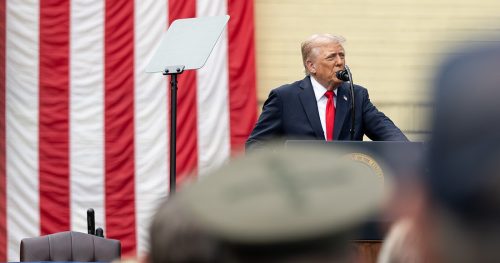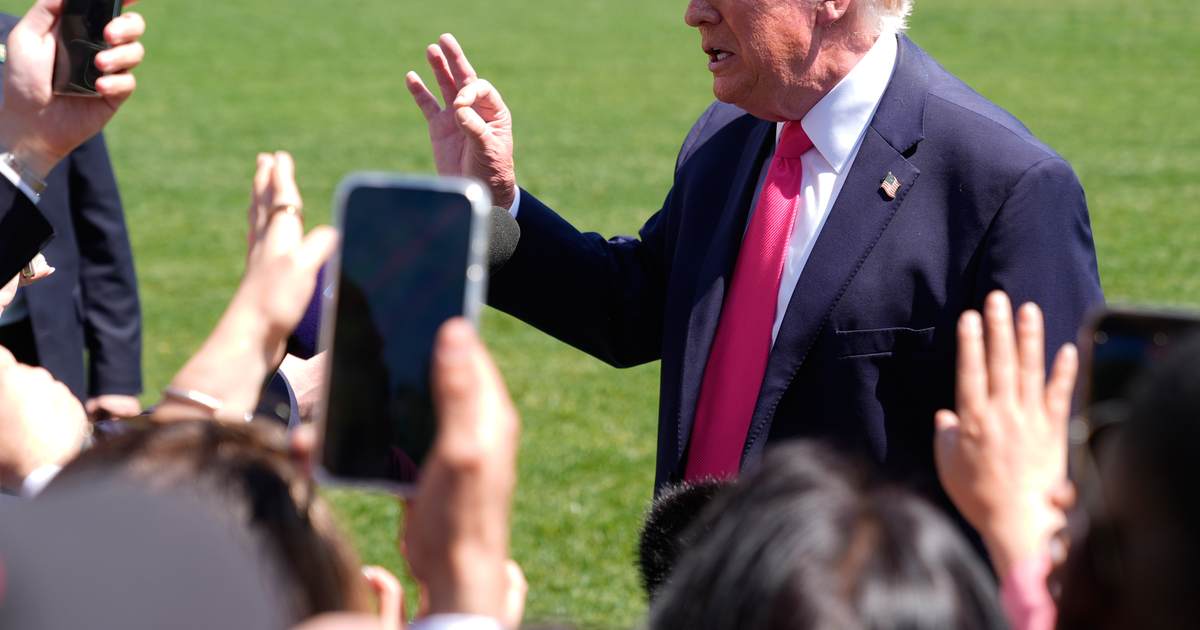
President Trump has chosen not to extend the ceasefire and is pressing Tehran hard, sending Vice President JD Vance back to the table while signaling that military options remain on the board. The administration presents this as leverage to force a serious Iranian response, and the press is already lining up to object loudly. A predictable clash is unfolding between a strategy of maximum pressure and a media narrative focused on alarm.
President Trump isn’t planning to extend the ceasefire, which is about to expire, and that decision is being framed inside the White House as a lever to push Iran toward a better deal. The administration believes showing resolve and retaining military options will make diplomacy more effective than a prolonged pause that leaves Tehran comfortable. This is a classic choice between pressure and patience, and the team in charge has picked pressure.
Trump again used blunt language, warning of total annihilation if Iran continues hostile behavior, and he has dispatched Vice President JD Vance to negotiate what the administration calls a second chance at a deal. Sending a senior political figure signals the talks are serious and that the goal is to convert threats into concessions. The approach trades public restraint for hard bargaining backed by credible deterrence.
Spoke with President Trump this morning about Iran for 20 minutes.
"If they don't sign this deal, the whole country is going to get blown up," he told me.
The President said that Special Envoys Witkoff and Kushner will travel to Islamabad, Pakistan for talks this week. pic.twitter.com/kem9GACE6D
— Trey Yingst (@TreyYingst) April 19, 2026
That posture is exactly what drives the liberal media into a frenzy, since blunt talk and clear red lines make for dramatic headlines and convenient outrage. Reporters will frame tough talk as reckless escalation, but from this team’s perspective the point is simple: do not hand the adversary breathing space. The White House is betting that pressure now reduces the likelihood of a larger conflict later.
ABC News’ Jonathan Karl was first to tee off Sunday, which got shut down by the US Ambassador to the United Nations, Michael Waltz:
KARL: “Is he prepared to do what he threatened here?”
“He said, destroy every power plant and every bridge in the country. Full on, in-depth war, extended in the Middle East. He’s ready for that?”
WALTZ: “Well, all options are on the table. Absolutely.”
“Unlike his predecessor, President Trump doesn’t publicly take options off the table and tell our adversaries what he’s not going to do, therefore giving them leverage.”
“We could take that infrastructure out relatively easily. The Iranian air defenses have been absolutely decimated.”
“And just to get ahead of a lot of the critics and hand-wringing, throwing out irresponsible terms like war crimes…attacking, destroying infrastructure that has clearly and historically been used for dual military purposes, is not a war crime.”
“We’ve heard that from Democratic lawmakers and it is irresponsible and just flat wrong.”
Ambassador Waltz’s replies underscore a consistent point from the administration: keeping options visible can be a negotiating advantage. The insistence that certain strikes would target dual-use infrastructure rather than indiscriminate civilian harm is meant to reframe critics’ accusations. For Republicans who follow this line, clear statements about capabilities and intent are deterrence, not provocation.
The media reaction has predictable beats—alarm, appeals to international law, and calls for de-escalation—none of which changes the fact that Iran has been given multiple chances. From this viewpoint, a ceasefire without concrete concessions simply let Tehran regroup and continue bad behavior. The current strategy aims to avoid a repeat of that mistake by demanding more tangible results at the table.
Sending a senior negotiator like Vance shows the administration prefers tough diplomacy backed by power rather than vague assurances and public restraint. It’s a mix of political muscle and real leverage meant to produce verifiable outcomes, not press statements. That combination irritates critics who prefer softer tools, but it also forces a clearer choice on the other side.
Critics will paint the stance as reckless and say the president’s language makes war more likely, while supporters will argue the opposite: deterrence through clarity reduces miscalculation. Both sides will talk past each other in the coming days, and that’s part of why messaging matters so much right now. For people watching policy over punditry, the immediate test will be whether negotiators can turn this pressure into concessions.
Expect fierce coverage, select outrage, and endless parsing of every phrase from both the White House and its opponents. The clock on the ceasefire is ticking, negotiators are on the move, and the administration has decided to prioritize leverage over a quiet extension. Another round of this nonsense is coming.