Chicago’s mayor is pushing a racial framing into a fight over tipped wages, arguing for reparations while a policy to phase out the subminimum tipped wage approaches and critics warn of economic fallout for restaurants and workers.
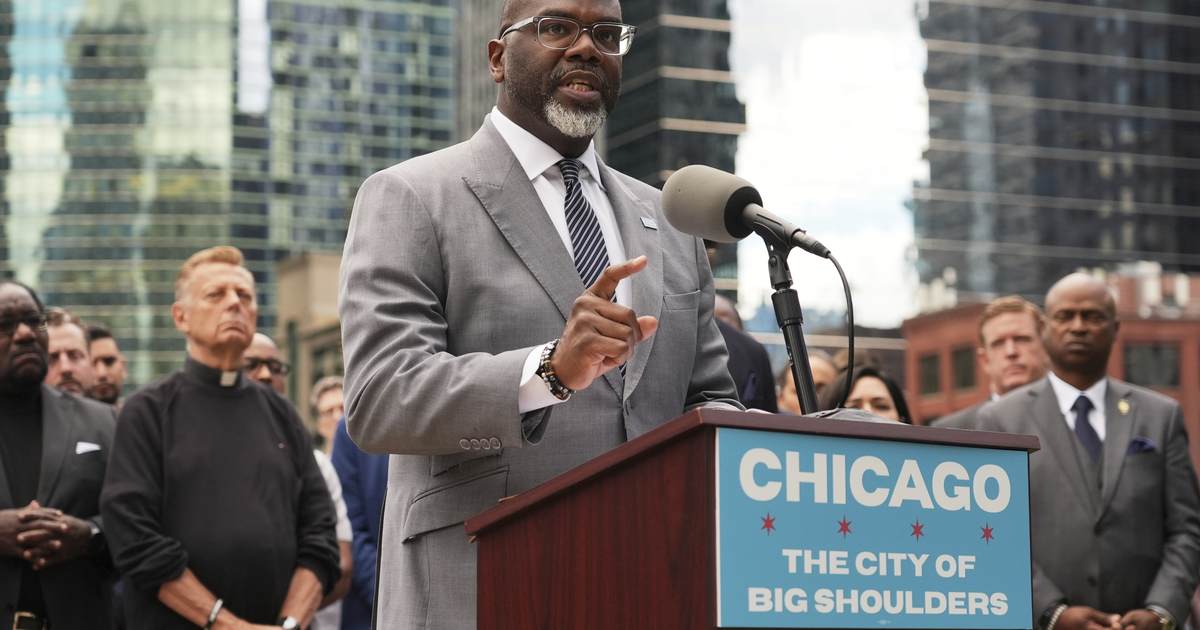
Brandon Johnson has sharply criticized the restaurant industry and tied its history to slavery as he backs a plan to end the subminimum wage for tipped workers in Chicago. That phaseout is scheduled to complete in 2028, which would require restaurants to pay servers the full minimum wage rather than relying on tips to make up pay. Supporters cast it as correcting an unfair system; opponents say it will force higher prices, fewer jobs, and potential closures for small businesses across the city.
The mayor’s language escalates that policy debate into moral territory, claiming that the local government must fund reparations and calling the industry’s history sinister. “And you just watched an entire City Council in transparency, try to take wages away from the very people who are part of an industry that has its ties to slavery,” Johnson said. “Nobody’s hiding from that. I am boldly declaring that we need reparations in this city and that’s why I’m funding it.”
Mayor Johnson: Restaurants have "ties with slavery" so we "need reparations" pic.twitter.com/4CWukIHsa9
— End Wokeness (@EndWokeness) April 17, 2026
The City Council tried to override a veto that would have paused the phaseout, and the clash laid bare competing priorities: protecting current worker income versus protecting a fragile business model that relies on tipping. If base pay rises for tipped staff, restaurateurs warn they will face steep payroll jumps at a time many are still recovering from pandemic-related losses and rising costs. Those economic realities are at the heart of the pushback about who actually benefits from fast policy changes.
If restaurants are rooted in slavery, why not just ban them outright? That rhetorical question has been floated by critics who see the mayor’s framing as a political maneuver rather than practical governance. Turning a complex labor and market issue into a moral indictment of an entire industry risks alienating customers and workers alike, while offering little in the way of workable transition plans for small operators.
Johnson’s standing with voters is weak in polls, which makes his aggressive rhetoric look like a distraction from tougher city problems such as rising crime and a strained budget. One poll put his approval at just six percent, while others showed something closer to 26 percent, numbers that suggest limited political capital to shepherd sweeping reforms. That lack of popular support matters when a mayor needs buy-in from council members, business owners, and community groups to implement lasting change.
Well known.
Social platforms have amplified the sparring, turning policy fights into viral memes and a lot of hot takes that don’t advance the conversation. We can always count on X to bring the memes. Still, online mockery does not alter the economic trade-offs at stake for restaurateurs balancing labor costs, menu pricing, and customer demand.
Restaurants in the South used a tip system to avoid paying full wages, apparently. And we all know the people working in Chicago’s food industry today worked in the post-Reconstruction South, too. Those historical notes are invoked to give today’s wage debate moral weight, but today’s labor market and legal frameworks are very different and deserve focused solutions.
It expired long ago.
Comparisons to past or other policies highlight another inconsistency: Johnson did not publicly object when Illinois opted out of President Trump’s No Tax on Tips plan, which means that waitstaff in Illinois still face different tax treatment than workers in some other states. That points to a selective outrage, critics say, where political signals matter more than consistent advocacy for workers’ take-home pay. For opponents, the mayor’s stance looks like prioritizing a headline over a clear, implementable plan.
Moving from moral rhetoric to policy requires answers about transition funding, enforcement, and how to prevent unintended consequences like layoffs or higher meal prices that disproportionately hurt lower-income diners. The debate should include the voices of servers, small business owners, and managers who know the daily realities of running a restaurant. Without a credible roadmap, well-intentioned reforms risk producing harm that far outweighs any symbolic gains.
Chicago needs leadership that balances fairness with economic common sense rather than traveling the country lecturing about history while the city’s finances and public safety suffer. Turning labor policy into a campaign about reparations is a political gamble that could leave workers and businesses worse off. Practical plans, phased implementation, and clear funding sources are the kinds of answers workers and owners deserve, not just theatrical rhetoric.