Minnesota’s Feeding Our Future scandal exposed massive pandemic-era thefts, light federal sentences for several defendants, and growing frustration that judges and politicians aren’t treating the thefts as the serious crimes they were.
Millions in federal meal program funds were taken from the Feeding Our Future program, with investigators finding that many of the perpetrators were Somali immigrants who claimed to have served millions of meals while pocketing the cash. The losses run into the hundreds of millions, and the fraud was brazen enough that it has become a major scandal in Minnesota. Taxpayers want accountability, and many feel the response from the justice system has been inadequate.
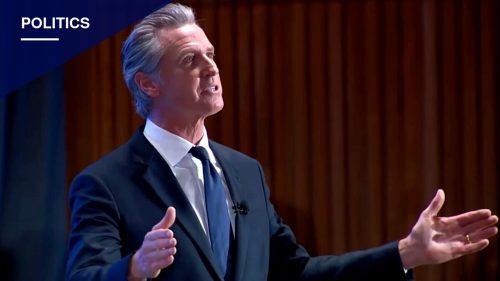
Outgoing Governor Tim Walz was pushed by reporters on the matter and responded sharply, saying, “It is Minnesota’s investigators, it is these IGs that are over there…that are doing the things that are putting people in jail,” a line that highlights how state leaders have pointed to investigators rather than taking responsibility. Critics counter that Walz’s administration presided over programs that funneled roughly $250 million into fraudulent claims. That number has become shorthand for frustration about oversight failures and political responsibility.
At the federal level, Judge Nancy Brasel has been in the spotlight for handing down what many see as light penalties to defendants in the scheme. Two recent cases ended with one defendant getting six months and another being sentenced to a year, outcomes that prosecutors and taxpayers called far too lenient. Those short terms feed the sense that the punishment simply does not match the scale of the theft.
The tone in court records and reporting shows a pattern: defendants who admitted to using fake invoices and shell companies received relatively modest jail time. One of the most discussed cases involves Abdul Abubakar Ali, who prosecutors say used a shell company called Youth Inventors Lab to fraudulently claim millions in meals and personally pocket more than $100,000. Judge Brasel handed him a federal sentence that allows for early transition options, a decision many say undermines deterrence.
A defendant accused of orchestrating $3 million in fraud as part of the broader Feeding Our Future scheme apologized to the court during his sentencing Monday, minutes before a federal judge ordered him to serve one year in prison for his role in the scandal.
BREAKING – Minnesota Judge Nancy Brasel has sentenced Somali Feed Our Future fraudster Zamzam Jama, who stole $5.6 million, to only six months in prison, just a day after giving another Somali fraudster a one-year sentence. pic.twitter.com/Tp1iV48JlR
— Right Angle News Network (@Rightanglenews) April 1, 2026
“Your honor, I just want to say I’m sorry to everyone that my actions have hurt,” Abdul Abubakar Ali told the judge. “This was a mistake. I will try to correct it for the rest of my life. It’s not something that’s in the past. I’ve let down a lot of people. I promise I will attempt to fix it for the rest of my life. So, I’m sorry.”
Ali initially pleaded guilty in October 2022 after admitting that he used a shell company, known as Youth Inventors Lab, to defraud the federal pandemic meals program under the sponsorship of Feeding Our Future. Court documents show that Ali and his co-conspirators submitted fake invoices and claimed to have served more than one million meals despite serving none, helping him to personally pocket more than $100,000.
Judge Nancy Brasel officially gave Ali a prison sentence of one year and one day, a legal technicality that allows Ali the opportunity to transition to a halfway house if he shows good behavior.
Another high-profile defendant, Zamzam Jama, was convicted in the scheme and drew headlines when her sentence landed far below prosecutors’ requests. Prosecutors had sought 16 months, citing roughly $5.6 million tied to her conduct, but Jama received six months behind bars. She was also ordered to pay $491,000 in restitution and will spend a year on probation after release, penalties that many taxpayers view as insufficient given the size of the fraud.
The short sentences are widely described as a slap in the face to Minnesotans who expect fraud on this scale to be punished harshly. People who see the system up close argue that the penalties fail to recover losses and do little to discourage repeat actors. When thefts of millions lead to months behind bars, the math just does not add up for deterrence.
There’s a deeper political angle fueling the outrage: a belief that a two-tier justice system exists where politically connected or sympathetic defendants get breaks while ordinary citizens face harsher treatment. That perception is hard to shake when judges reduce sentences for high-dollar fraud in programs intended to help vulnerable families. The optics and the outcomes together create a potent political grievance that Republicans have been quick to highlight.
Some critics point to judicial selection and patronage as part of the explanation, noting public officials who recommended judicial candidates and the networks that surround those appointments. “Yes. She was the one who suggested Brasel for that seat,” is a short, pointed reminder from local commentary about how appointments and endorsements matter. Those connections raise questions about accountability and whether sentencing choices reflect broader priorities.
Calls for reform keep coming from those who want clearer consequences: stronger sentencing guidelines, better restitution mechanisms, and oversight that ensures judges treat large-scale fraud as the serious crime it is. There needs to be some mechanism to hold these judges accountable. Without structural changes, the same patterns of lenient sentences and frustrated taxpayers are likely to repeat.
The broader warning is simple and blunt: current penalties offer little deterrent, and plenty of people might risk short jail stints in exchange for millions. “There is no deterrent. Most people would gladly spend six months locked up in exchange for almost $6 million.” That reality fuels political anger, especially from those who believe the Left protects criminals and prioritizes other interests over the rule of law. The dispute over sentences in these cases will keep simmering as reforms are debated.