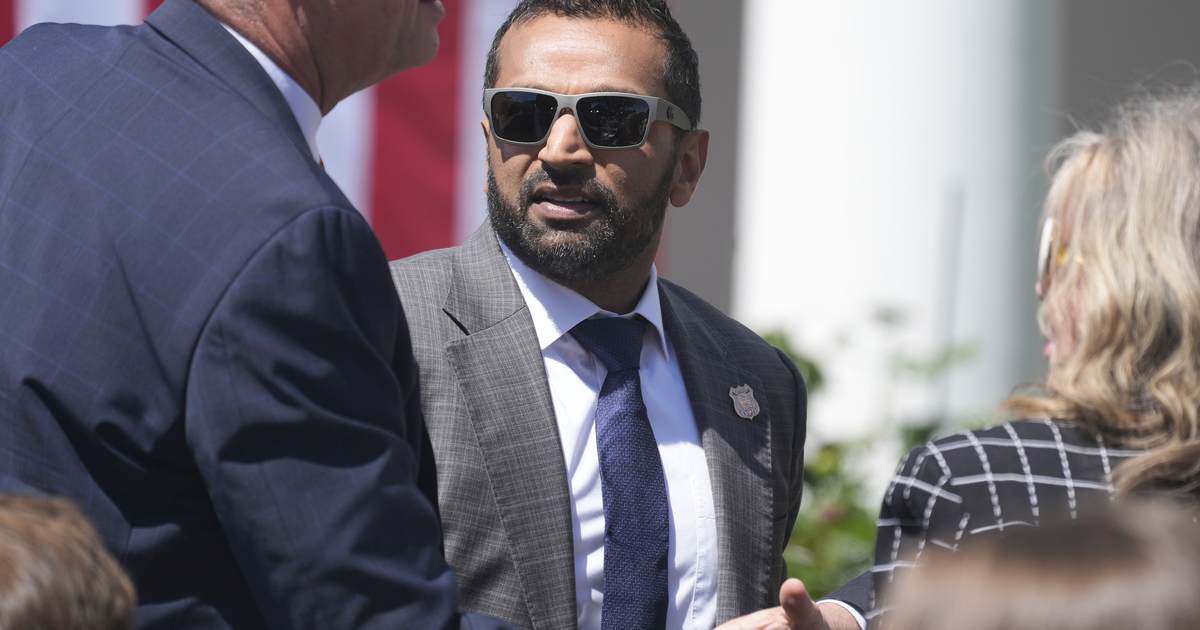
The Atlantic published a piece alleging FBI Director Kash Patel struggled with drinking and job security, prompting sharp denials and talk of a possible lawsuit while raising questions about anonymous sourcing and journalistic standards.
The latest flap started when a high-profile outlet ran a story suggesting Patel’s position was shaky because of alleged episodes of excessive drinking and erratic behavior. The report relied heavily on anonymous sources and described scenes inside the FBI and the White House that painted a chaotic picture. That kind of reporting can quickly become a legal and reputational problem when specifics are thin and sources are unnamed.
Critics argue the story leapt from rumor to headline without enough verification, and the response was immediate and blunt. According to a statement quoted in coverage, the FBI fired back: “Print it, all false, I’ll see you in court—bring your checkbook.” Those words underscore how seriously the bureau and its allies are treating the piece.
What’s notable is how few other reporters seemed willing or able to substantiate the claims, which raises the familiar worry about one outlet running with anonymous tips that others decline to publish. In Washington, an explosive allegation needs solid proof, especially when it targets the head of the nation’s principal domestic law enforcement agency. Without that proof, the story risks looking like a partisan hit rather than straight reporting.
On Friday, April 10, as FBI Director Kash Patel was preparing to leave work for the weekend, he struggled to log into an internal computer system. He quickly became convinced that he had been locked out, and he panicked, frantically calling aides and allies to announce that he had been fired by the White House, according to nine people familiar with his outreach. Two of these people described his behavior as a “freak-out.”
Patel oversees an agency that employs roughly 38,000 people, including many who are trained to investigate and verify information that can be presented under oath in a court of law. News of his emotional outburst ricocheted through the bureau, prompting chatter among officials and, in some corners of the building, expressions of relief. The White House fielded calls from the bureau and from members of Congress asking who was now in charge of the FBI.
It turned out that the answer was still Patel. He had not been fired. The access problem, two people familiar with the matter said, appears to have been a technical error, and it was quickly resolved. “It was all ultimately bullshit,” one FBI official told me.
But Patel, according to multiple current officials, as well as former officials who have stayed close to him, is deeply concerned that his job is in jeopardy. He has good reasons to think so—including some having to do with what witnesses described to me as bouts of excessive drinking. My colleague Ashley Parker and I reported earlier this month that Patel was among the officials expected to be fired after Attorney General Pam Bondi’s ouster, on April 2. “We’re all just waiting for the word” that Patel is officially out of the top job, an FBI official told me this week, and a former official told my colleague Jonathan Lemire that Patel was “rightly paranoid.” Senior members of the Trump administration are already discussing who might replace him, according to an administration official and two people close to the White House who were familiar with the conversations.
[…]
On multiple occasions in the past year, members of his security detail had difficulty waking Patel because he was seemingly intoxicated, according to information supplied to Justice Department and White House officials. A request for “breaching equipment”—normally used by SWAT and hostage-rescue teams to quickly gain entry into buildings—was made last year because Patel had been unreachable behind locked doors, according to multiple people familiar with the request.
That block of quoted material is central to why debate swirled: it mixes detailed allegations with anonymous sourcing and admits some elements were cleared up quickly. When a story contains that mix, readers and subjects both have reason to be skeptical. Conservatives and former administration officials pointed out how damaging an unverified narrative can be for a public servant and for public trust in the media.
There’s also the legal angle. When a story accuses someone of behavior that could harm their reputation and job prospects, outlets face real defamation risk if they can’t back claims with verifiable evidence. Lawyers on both sides have already been mentioned in conversation, and the mention of litigation wasn’t idle theater—news organizations know what’s at stake when high-ranking officials are publicly maligned.
This is the letter we sent to The Atlantic and Sarah Fitzpatrick BEFORE they published their hit piece on FBI Director @FBIDirectorKash. They were on notice that the claims were categorically false and defamatory. They published anyway.
See you in court. pic.twitter.com/Ke8cqNh8hY
— Jesse R. Binnall (@jbinnall) April 17, 2026
Beyond courtrooms, this episode highlights a bigger problem in political reporting: the temptation to publish sensational anonymous claims because they confirm a narrative. Readers deserve clarity on sourcing, and when that clarity is missing, the outlet runs the risk of amplifying gossip under the cloak of journalism. That’s bad for the subject, bad for the outlet, and bad for an informed public.
The pushback from the bureau and the broader reaction show how polarized coverage can turn into legal and political clashes fast. If the allegations are true, they should be provable; if they are not, the target has a right to defend himself. Either way, the episode will prompt scrutiny of how big outlets vet explosive claims before they go to print.
For now, the alleged facts, the strong denials, and the threat of litigation are all part of the public record. The media landscape will keep debating standards, and the people involved will keep pushing their versions of events. The embeddable material that accompanied the original reporting remains in place for readers who want to see the primary elements at issue.