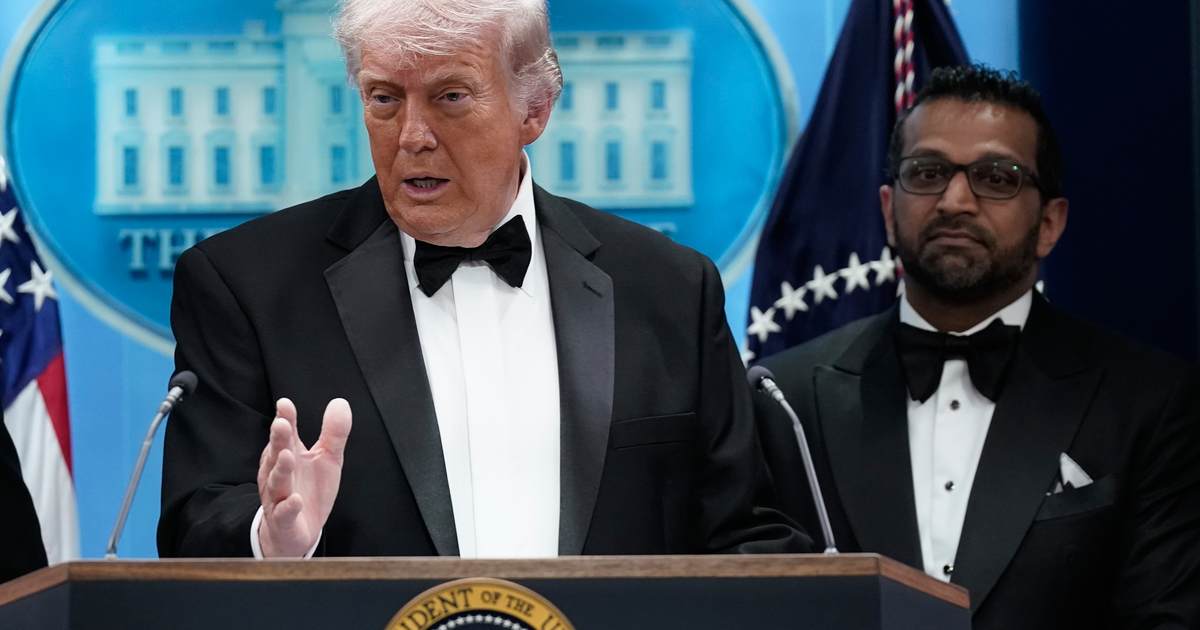
After an assassination attempt on President Donald Trump, a wave of public reaction from prominent Democrats and media figures blamed the president, while the shooter’s manifesto and other recent comments from left-leaning voices fueled controversy and outrage across the political spectrum.
After a gunman tried to kill President Donald Trump and members of his cabinet, many on the left rushed to assign blame to conservative rhetoric instead of confronting the shooter’s actions. prominent voices on the left immediately pointed fingers at Trump, arguing his style and rhetoric had created a dangerous climate. That reflex to politicize a violent act set off a fierce backlash from conservatives and independents alike.
Lincoln Project co-founder @SteveSchmidtSES publicly blamed the president for “poisoning the rhetoric” in America in the aftermath of the attempt. His comment captured a pattern from critics who link heated political speech to real-world violence. On the right, that argument was met with frustration, since political disagreement and rhetoric have long been part of American public life without justifying murder.
In another corner of the media ecosystem, Hasan Piker was cited for language that critics say normalizes violence; a recent commentary attributed to him described Brian Thompson as having “was engaging in a tremendous amount of social murder.” That phrasing was seized on by opponents who argue such talk lowers the bar between heated criticism and deadly action. Conservatives say journalists and podcasters must be held accountable for language that dehumanizes political opponents.
Immediately after a gunman opened fire at the White House Correspondents' Dinner, Lincoln Project co-founder @SteveSchmidtSES blamed President Trump for "poisoning the rhetoric" in America:
"He is a vile and disgusting man." pic.twitter.com/dUG2XrcCDl
— Daily Wire (@realDailyWire) April 26, 2026
The recovered manifesto from the suspect indicates the shooter echoed talking points that have been common among certain left-leaning commentators, suggesting he internalized those arguments and twisted them into justification for violence. That discovery intensified debates about how public rhetoric influences unstable individuals. Republicans argued that calling for accountability from media and political leaders is not censorship but a call for responsibility.
Days before the attack, failed comedian Jimmy Kimmel joked about Trump dying, and that kind of content has critics asking whether repeated jokes about violence against political opponents help normalize dangerous thinking. Public figures on the left often treat such quips as satire, but many on the right see them as part of a pattern that crosses a line. The emotional fallout from the attempt has put renewed focus on the tone set by popular media personalities.
On April 21, House Minority Leader Hakeem Jeffries used the phrase “maximum warfare, everywhere, all the time,” which opponents quickly pointed to as an example of provocative, militaristic rhetoric from Democratic leadership. That line became a focal point for those who believe political leaders should choose language that reduces, not escalates, tensions. Republicans have used these remarks to argue the left’s rhetoric often reads as encouragement rather than criticism.
Even after the assassination attempt, many Democrats continued to criticize the Trump administration rather than pause for reflection, which widened the partisan rift in public reactions. Critics argued that the left’s immediate impulse to blame the president rather than condemn the act outright reveals a dangerous double standard. Conservatives say the priority should have been unequivocal condemnation of violence and support for due process.
This was described by commentators as the third assassination attempt on Trump, while many others have targeted Republicans over recent years, a point highlighted by commentator Guy Benson on social media. That context has hardened the resolve of conservatives who insist that the nation must treat political violence as a universal threat, not as a partisan weapon. The comparison to other incidents fueled calls for consistent condemnation across the board.
Videos released of the shooting moment showed President Donald Trump largely unfazed, which supporters framed as proof of his steadiness under pressure. Those images became a rallying point for conservatives who praised his composure and used it to criticize media coverage that focused more on political spin than on facts. The footage has been replayed by both sides, but reactions split sharply along partisan lines.
The fallout from this event is likely to keep reverberating through political discourse, as Republicans press for clearer lines against violent rhetoric while pointing to repeated examples they say demonstrate a troubling pattern on the left. For now, the nation remains divided over whether the response has been proportional, partisan, or responsible, and those arguments will shape the next phase of the public debate.