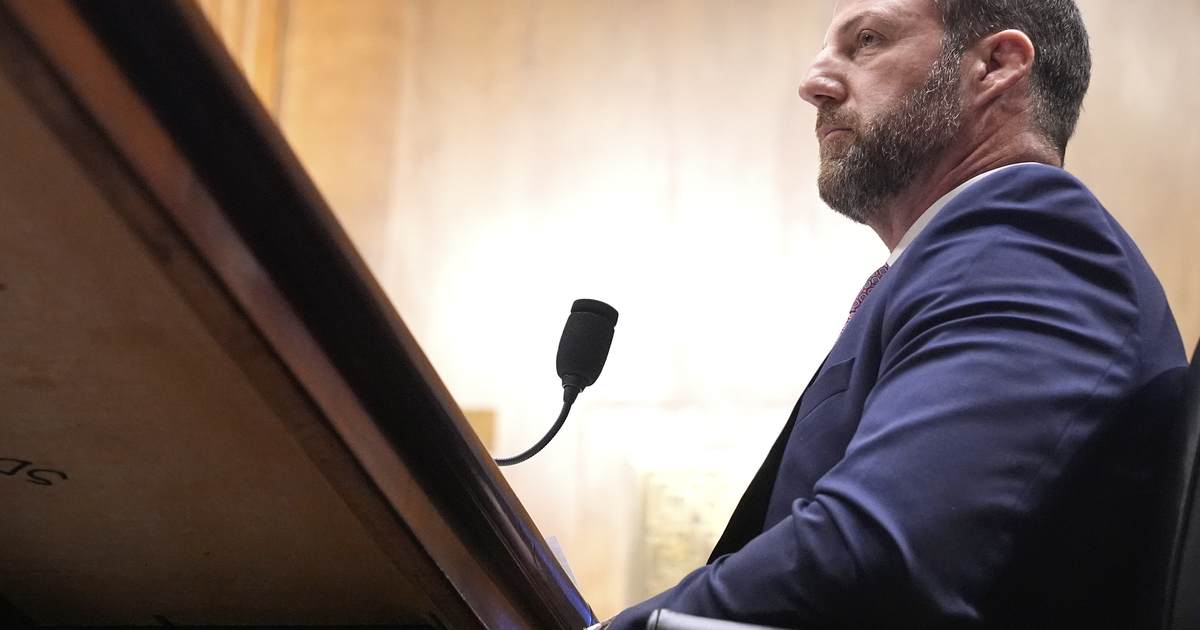
Secretary of Homeland Security Markwayne Mullin unveiled a plan to remove Customs and Border Patrol from international airports in sanctuary cities, a move designed to stop international flights from landing in jurisdictions that refuse to enforce federal immigration law.
Markwayne Mullin put a bold option on the table Monday night that forces a simple choice: either cities cooperate on immigration enforcement or they forfeit the benefits of hosting international travel. The proposal targets ports of entry in sanctuary cities, aiming to cut off the flow of foreign arrivals where local leaders refuse to back federal law.
Mullin made the case directly on Fox News with Bret Baier, framing it as a matter of partnership and public safety. He asked a pointed question that underlines the heart of his argument: “If they are a sanctuary city, should they really be processing customs into their city?”
NEW: In interview w/ colleague @BretBaier, DHS Secretary Markwayne Mullin floats the idea of stripping CBP/customs officers from airports in large sanctuary cities as retaliation for refusing to cooperate with the federal government. International travelers wouldn’t be able to…
— Bill Melugin (@BillMelugin_) April 6, 2026
“Seriously, if they are a sanctuary city and they are receiving international flights, and we’re asking them to partner with us at the airport, but once they walk out of the airport, they’re not going to enforce immigration policy? Maybe we need to have a really hard look at that because we need to focus on cities that want to work with us.” That direct line encapsulates the administration’s impatience with local governments that pick and choose which laws they will follow.
The practical effect of Mullin’s proposal would be immediate and dramatic for major travel hubs in blue cities like Los Angeles and New York. Shutting Customs and Border Protection out of those airports would effectively end international arrivals there, rerouting travelers and shifting the burden to jurisdictions that will enforce federal rules.
It is a blunt enforcement lever aimed at municipal leaders who label themselves sanctuaries but still welcome the economic and logistical advantages of international aviation. From a conservative standpoint, offering benefits to cities while they refuse to enforce federal law is both unfair and unsustainable.
The proposal lands amid a tense national backdrop: DHS has been operating in a near shutdown for almost two months, and immigration policy sits at the center of the fight. Democrats have resisted funding the department in its current form and have pushed conditions that would dramatically limit deportations and constrain ICE operations.
Those Democratic conditions would require a judicial warrant for many deportations and place strict limits on ICE activity at polling places, rules critics say would handcuff officers and protect illegal voters. Republicans argue that tying DHS funding to such concessions effectively guarantees porous borders and undermines enforcement.
The shutdown has already produced real-world consequences. TSA experienced a wave of departures after staff missed paychecks, which led to long lines and chaotic scenes at airports. The operational strain forced President Donald Trump to redirect ICE to help stabilize security at vulnerable sites.
Trump also instructed his administration to identify funds to pay DHS employees, recognizing the political and operational danger of allowing federal security personnel to go unpaid. That move was framed as necessary to keep essential functions running while lawmakers argue over policy and money.
For Republican policymakers, Mullin’s proposal is pragmatic enforcement baked with consequences: if a city refuses to enforce immigration rules, expect federal benefits to be reevaluated. The concept is straightforward and politically potent—compliance should come with rewards, and resistance should carry costs.
What happens next depends on who blinks first in Washington and in city halls. Democrats can keep pushing protections for illegal immigrants and risk losing international travel and federal cooperation, or they can negotiate meaningful enforcement provisions to keep airports open and security intact. Either way, Mullin has forced a national conversation onto a very specific and unavoidable problem—how to reconcile local sanctuary policies with federal immigration authority.