The Virginia legislature has joined the National Popular Vote Interstate Compact, a move that swaps the constitutional Electoral College outcome for a national popular-vote result in certain scenarios, and that change raises sharp questions about who actually decides presidential winners.
Virginia Democrats have voted to bind the state’s electoral votes to the national popular vote once the compact reaches the 270-elector threshold. That compact activates only if enough states sign on to change how presidential electors are awarded, and it would override the result Virginia voters would otherwise deliver under the Electoral College.
The legislation only applies in the rare case the national popular vote winner would lose the Electoral College, and in that situation compact states agree to send electors who ignore their state’s own results. Critics call that a scheme to create unaccountable electors and argue it reduces the value of a Virginian citizen’s ballot. The change, opponents say, could be described bluntly: this new law blatantly disenfranchises Virginian citizens.
🚨🚨🚨
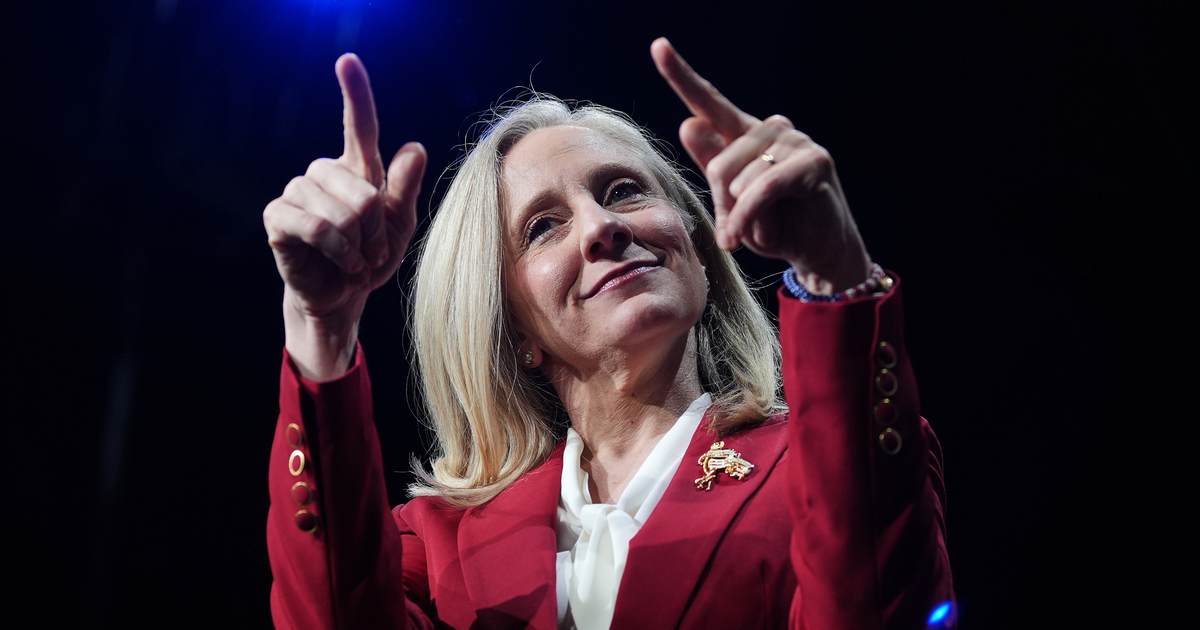
Fake Moderate Spanberger just signed a bill to render Virginians’ vote for president NULL AND VOID!
HB965 says that all of Virginia’s Electoral College votes will go to the winner of the national popular vote – no matter who wins the popular vote in our Commonwealth.… pic.twitter.com/wUzyhG0VQc
— Virginia GOP (@VA_GOP) April 14, 2026
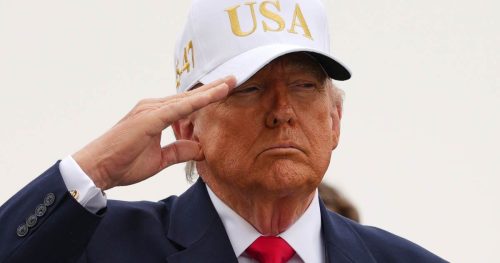
Put in concrete terms, imagine a scenario in which Donald Trump wins the national popular vote but loses the Electoral College. Under the compact, states that have joined would be required to award their electoral votes to the national popular-vote winner despite how their own citizens voted. Supporters claim it solves a mismatch between popular will and the Electoral College, while critics call it a partisan power play that would let a handful of states dictate the presidency.
This is not an abstract threat to many conservatives. The concern is that a national popular-vote rule makes safe-seat states less relevant while empowering states with large, reliably partisan populations to decide the outcome for everyone. Opponents argue Democrats see this as a way to lock in presidential control by turning the Electoral College into a formality, especially if they can shape the electorate through voter policy changes.
As of now, signatories of the compact represent 222 electoral votes, with another 45 votes coming from states pursuing similar legislation. Only 270 electoral votes are needed for the compact to take full effect nationwide, meaning the switch from the Electoral College to a national popular-vote outcome could be closer than many realize. That numerical math is central: once those thresholds are hit, the mechanism changes not by constitutional amendment but by interstate agreements.
The debate also drifts into hot-button territory over who should be eligible to vote, with some conservatives warning that efforts to expand voting access—especially across state lines—could tilt the national popular vote. Those warnings feed a larger Republican argument that national election rules should not be set by blocs of deep-blue states acting together to circumvent constitutional design. For many on the right, this is less about technical reform and more about political engineering.
Legal scholars have already flagged constitutional questions about whether states can bind electors this way and whether the compact requires congressional consent. But the political reality is immediate: the compact rearranges incentives, concentrates power, and raises the odds that future presidential contests will be decided by a different set of actors than the framers imagined. That prospect changes how parties campaign, where they invest resources, and how voters in swing versus safe states are treated.
In Virginia and similar states, the result is a conversation about democratic legitimacy, state sovereignty, and the role of electors in our republic. Republicans describe the compact as a partisan gambit that risks nullifying the will of local voters while Democrats frame it as aligning the presidency with the popular will. Either way, the compact is a major shift with clear numbers behind it and a lot of political consequences ahead.