New York City’s new mayor announced a targeted tax on high-end properties, sparking sharp criticism from conservatives who see the move as punitive and short-sighted rather than responsible governance.
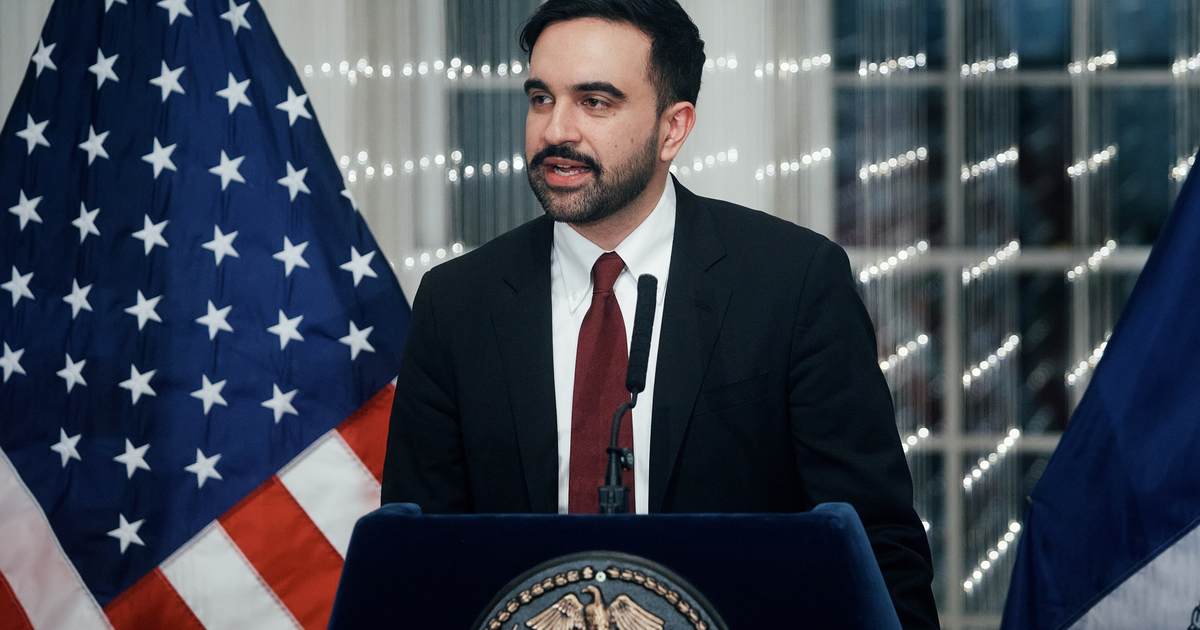
When Zohran Mamdani won the mayor’s office, he promised bold change and has moved fast to make good on that promise by taking aim at wealthy property owners. Instead of framing tax policy as funding for reliable services, his announcement reads like retribution aimed at people who own luxury real estate but don’t live in the city year-round. The new proposal hits properties worth more than $5 million with an annual levy if the owners are not full-time New York residents.
Mamdani recorded a short, just-over-a-minute video in front of an ultra-expensive penthouse he said belongs to Citadel founder Ken Griffin, leaning into symbolism over substance. “Those who store their wealth in New York City real estate but don’t actually live here,” Mamdani said. That staging mattered: it was meant to send a message about who he believes should shoulder the city’s burdens.
Critics point out that targeting owners rather than addressing policy drivers like crime, schooling, and government waste risks accelerating an exodus of capital and talent. Ken Griffin, whose philanthropy includes multibillion-dollar gifts, is frequently mentioned by name in these debates because his moves carry headlines and meaning. The larger complaint from Republicans is that this is not fiscal stewardship; it is political theater dressed up as taxation.
Conservative voices have been blunt. Ben Shapiro said Mamdani’s approach treats taxes as a weapon instead of a tool for public benefit, arguing that the mayor seems more interested in punishing people than solving municipal problems. That critique ties into a broader theme: when cities turn tax policy into a vendetta, they risk chasing away the very wealth and jobs they need to sustain services and infrastructure.
Happy Tax Day, New York. We’re taxing the rich. pic.twitter.com/Wky2LFXC9W
— Mayor Zohran Kwame Mamdani (@NYCMayor) April 15, 2026
History confirms those warnings. In 2022, Griffin moved Citadel from Chicago to Miami after growing weary of high taxes and unfriendly policy environments, a move that conservatives point to as an example of firms fleeing punitive tax climates. The message sent by such relocations is simple: capital goes where it is welcomed, and policy choices have consequences in the real economy.
Donald Trump weighed in with a blunt assessment on social media, declaring that Mamdani is “DESTROYING New York” and warning that the city’s decline will accelerate if tax-and-spend policies continue. “Sadly, Mayor Mamdani is DESTROYING New York! It has no chance! The United States of America should not contribute to its failure. It will only get WORSE. The TAX, TAX, TAX Policies are SO WRONG. People are fleeing. They must change their ways, AND FAST. History has proven, THIS “STUFF” JUST DOESN’T WORK.” That language captures conservative frustration and fear about cascading effects from punitive tax policies.
The political optics also matter: Florida officials and promoters of lower-tax states are watching closely, knowing that high-profile moves and viral videos can act like free advertising for Sunshine State policies. If wealthy residents and companies decide the math favors relocation, the losses in tax revenue, payroll, and economic activity will quickly outstrip any short-term gains from a new levy. Fiscal policy should aim to stabilize and grow a city’s tax base, not shrink it.
There is a wider philosophical debate at play about the role of government and the limits of redistribution. Mamdani’s critics point to a familiar conservative warning: coercive, punitive taxation discourages investment and personal responsibility. In the words of Margaret Thatcher, “The problem with socialism is that you eventually run out of other people’s money.” That line is often invoked to caution against policies that rely on squeezing a shrinking pool of taxpayers.
Beyond slogans, the practical concern is what happens when residents and businesses respond to incentives and disincentives. Cities that make themselves hospitable to capital tend to attract jobs and expand the tax base, while those that legislate wealth away often end up with smaller revenue and bigger service challenges. This debate over Mamdani’s luxury-property tax is therefore less about one building or one owner and more about whether New York will prioritize competitiveness or punishment.
Policymakers who worry about fairness can and should pursue balanced reforms that focus on growth, accountability, and effective services rather than punitive measures that single out select groups. If the goal is a thriving city, the conversation should center on real, sustainable policy levers that keep people and businesses—and the jobs they support—anchored in New York.