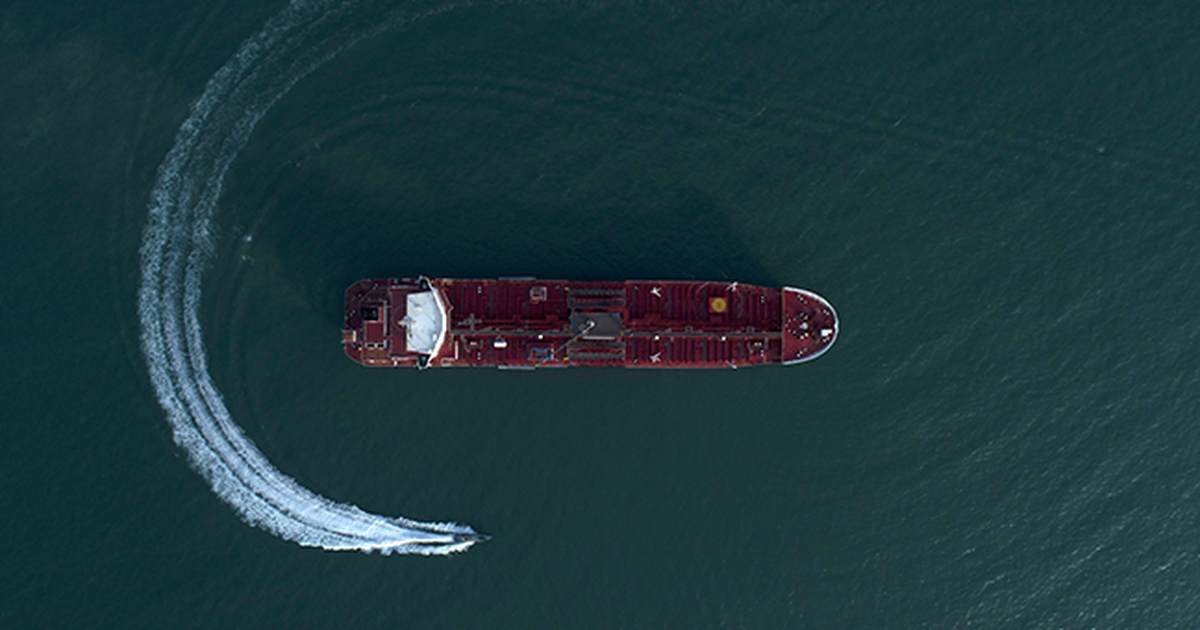
Ship tracking data is painting a clear picture: tanker routes are shifting, bottlenecks matter, and the geopolitical fallout around the Strait of Hormuz and the Panama Canal is reshaping energy flows in real time.
Markets will wobble when supply routes get threatened, but the global energy system is built to move oil, even through shocks. Iran is counting on chaos to score a win, yet the logistics and market signals suggest resilience. Observers who follow ship AIS feeds are seeing a migration of tankers toward safer, more stable corridors.
That movement matters because physical flows drive prices and policy, not gloomy press cycles. When large tankers reroute, insurers, traders, and refineries all adjust quickly, smoothing some of the disruption. For U.S. producers and consumers, the most important thing is that barrels still get to market.
The blockade is set for 10 AM, according to the announcements driving headlines, and that schedule has real consequences for routing decisions. Announced deadlines like that force captains and operators to make fast calls about port calls, bunkering, and transit plans. Those tactical shifts ripple through terminals and futures markets almost immediately.
Trump won. Iran lost.
The entire global energy market reshuffled itself to accommodate the closure of the Strait of Hormuz. And it just so happens that the world's biggest producer of oil and natural gas is the United States of America.
Iran will never recover from this. https://t.co/6U6UC00nbD
— Matt Forney (@mattforney) April 12, 2026
Iran is betting this will tilt public opinion and economic leverage in their favor, but hard facts are stubborn. The Iranian navy no longer projects the same kind of blue-water power it once claimed, and its capacity to sustain a wide blockade is limited. Meanwhile, U.S. oil production is at very high levels, which gives buyers and policymakers breathing room.
Watching tanker traffic, you can see routes bending toward the Gulf of America and other long but reliable passages. That rerouting adds transit time and cost, but it also highlights the value of secure chokepoints and dependable partners. The Panama Canal’s security becomes a strategic asset in that context, not a partisan punchline.
There’s a political angle here worth calling out: decisions made to harden trade arteries pay off when tensions spike. The move to emphasize Panama Canal security, mocked by some, now looks like prudent foresight. Infrastructure and strategic presence are not flashpoints for virtue signaling; they are practical tools that keep commerce moving.
Global traders respond to clarity and certainty, not theater, and clear shipping data provides both. When tanker AIS shows clusters, owners and charterers read that as a signal to lock in contracts or avoid risky lanes. That feedback loop is a real-time stress test for markets and for the policies that influence them.
Policymakers should take the lesson: deter where you must and secure the routes that matter. The practical work—naval presence, intelligence-sharing, and strengthened logistics—avoids bigger economic pain down the road. Empty rhetoric won’t replace actual security measures that keep oil flowing.
For Americans filling up at the pump, the immediate worry is price spikes, but supply disruptions are rarely absolute. U.S. energy output and global inventories cushion shocks, and diversified routes blunt the worst-case scenarios. That said, the longer a standoff continues, the more likely markets will trend upward, so the clock on contingency planning is real.
You love to see it.
Editor’s Note: Do you enjoy Townhall’s conservative reporting that takes on the radical left and woke media? Support our work so that we can continue to bring you the truth.
Join Townhall VIP and use promo code FIGHT to receive 60% off your membership.