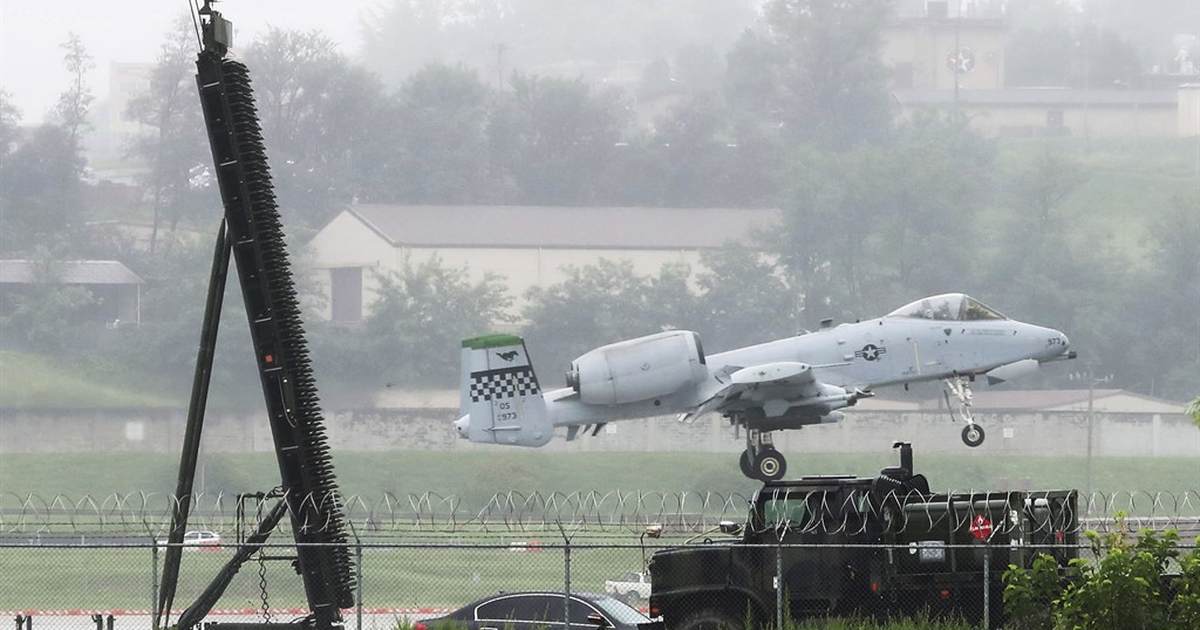
Pete Hegseth orders the A-10 fleet to keep flying through 2030, with the Air Force office confirming the extension and noting recent combat use and losses.
Secretary of War Pete Hegseth directed an extension of the A-10 Warthog’s service life into 2030, a move the Office of the Secretary of the Air Force, Dr. Troy Meink, announced on Tuesday. The decision pushes the venerable close air support aircraft past its previously scheduled 2026 sunset. That means more time in the air while leaders and logisticians sort out long-term plans.
The A-10 has been a workhorse for troops on the ground and a favorite among aviation fans because of its survivability, sensors, and loiter capability. The plane’s value was underscored recently when it took part in Operation Epic Fury and in a risky rescue mission deep inside Iranian territory. During that latter operation, the aircraft “was lost” after sustaining damage in combat operations, a reminder that these aircraft still face real danger in modern engagements.
In consultation with @SecWar, we will EXTEND the A-10 “Warthog” platform to 2030. This preserves combat power as the Defense Industrial Base works to increase combat aircraft production.
Thank you to @POTUS for your unwavering support of our warfighters and quick, decisive… pic.twitter.com/zn1l3OshdY
— Office of the Secretary of the Air Force (@SecAFOfficial) April 20, 2026
Extending the A-10’s life buys the military breathing room to phase upgrades, refresh maintenance pipelines, and make deliberate decisions about future close air support options. Those who back the move argue the Warthog delivers capabilities that are hard to replace, especially in low-altitude, troops-in-contact scenarios. From a Republican perspective, keeping proven systems available while moving carefully on replacements is common-sense stewardship of readiness and taxpayer dollars.
Maintenance and sustainment challenges do exist, and aging airframes require steady investment to stay safe and effective through 2030. Still, many in uniform prefer continuity over a rushed cut-off that could leave a capability gap for ground forces. The Hegseth directive signals that defense leaders prioritize operational support for troops now rather than gamble on unproven alternatives at risk to readiness.
Veterans, pilots, and aviation enthusiasts often point to the A-10’s armor, redundant systems, and long loiter time as reasons it has earned a loyal following in the military community. That loyalty was visible after recent combat deployments and the high-profile rescue effort where loss of an aircraft became part of the story. Those realities feed the political case for a pragmatic extension and for maintaining organic combat power under conservative leadership.
The extension also creates space to evaluate modernization options without forcing a cliff-edge retirement, which could complicate training pipelines and munitions stockpiles. While new technologies are coming, mature platforms that deliver close air support are rare, and their removal has downstream effects on tactics, training, and allied interoperability. The 2030 window gives planners time to balance innovation against the immediate needs of soldiers and Marines who depend on reliable air cover.
Some critics will focus on the costs of keeping older aircraft flying, and that debate is legitimate, but it should not overshadow the operational picture. The choice here is not sentimental nostalgia; it is a decision that affects units on the ground and the pilots who support them. From this viewpoint, Hegseth’s order looks like a measured effort to protect capabilities and buy time for thoughtful modernization.
Editor’s Note: Do you enjoy Townhall’s conservative reporting that takes on the radical Left and woke media? Support our work so that we can continue to bring you the truth. We rely on readers who value reporting that defends American strength and common sense in policy. Continued support keeps stories like this in circulation and helps hold decision makers to account.
Join Townhall VIP and use promo code FIGHT to receive 60% off your membership. Membership funds reporting that highlights national security priorities and keeps veterans, service members, and concerned citizens informed about critical defense issues.