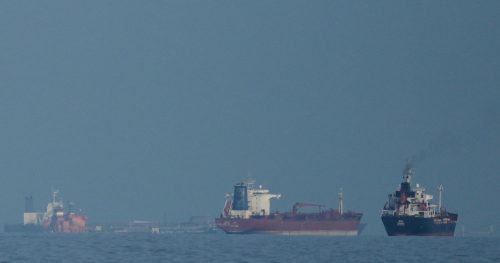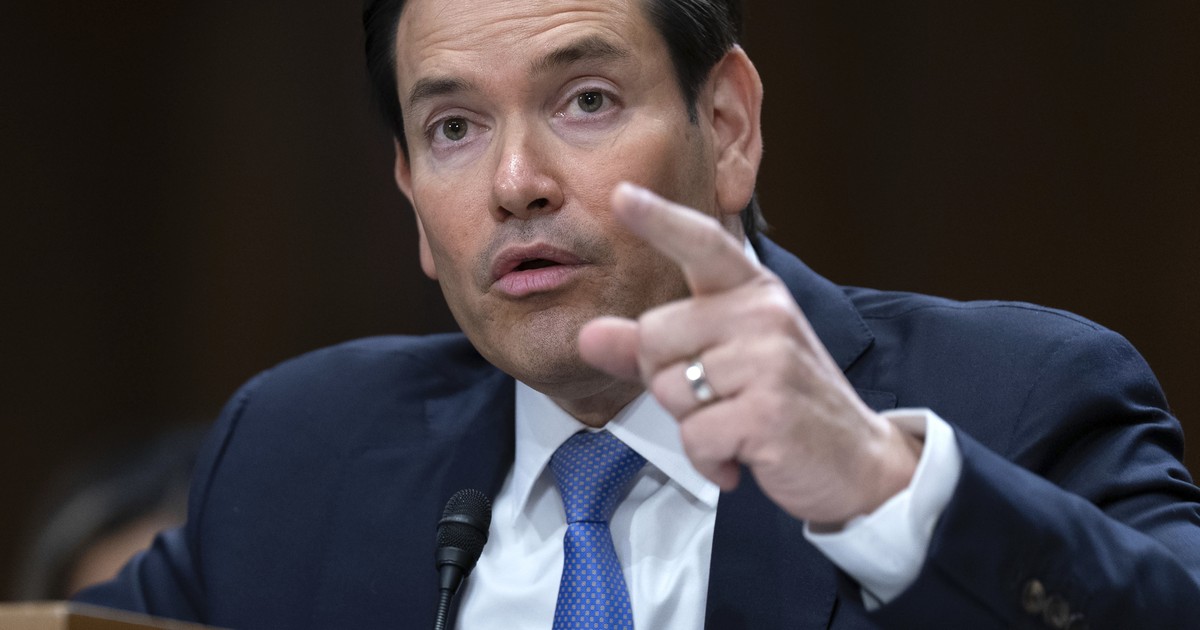
Marco Rubio called out Western partners for failing to push back against Iran’s harassment of shipping in the Strait of Hormuz, arguing that allies who depend on the route must stop treating the United States as the only responder and start enforcing international norms themselves.
Senator Rubio did not hold back when he criticized key allies in Europe for declining to help reopen the Strait of Hormuz, despite their heavier dependence on the waterway. He framed their reluctance as a refusal to shoulder responsibility while expecting the United States to act. That blunt assessment draws a sharp contrast between words about international law and the unwillingness to back those words with action.
Rubio pointed to a lack of meaningful support for Operation Epic Fury and said some partners have even denied U.S. military aircraft access to their airspace. Those denials, he argued, look symbolic at best and obstructive at worst when maritime attacks are occurring. For a serious security challenge like the Strait, symbolism is not a substitute for deterrence.
He also highlighted a double standard in how international law is enforced, noting allies too often apply it selectively. According to Rubio, nations quick to lecture others about rules are far less likely to hold the world’s leading state sponsor of terror accountable. That disconnect is not just rhetorical; it changes how threats are managed and who ends up paying the price.
“Well, the Straits of Hormuz, those are international waters, right? So, anything Iran does to impede commercial traffic is illegal,” Rubio said. “For all these countries that love to talk about international law, it is a violation of international maritime law to impede the free flow of travel in international waters, okay? So, that’s number one.”
🚨 Secretary Marco Rubio just delivered a BRUTAL wake-up call to U.S. allies refusing to step up on the Strait of Hormuz.
“We depend very little on the straits — this is a problem for the WORLD.”
RUBIO: “Well, the Straits of Hormuz, those are international waters, so anything… pic.twitter.com/3GuZxK74Sw
— Overton (@overton_news) April 1, 2026
“Number two, it’s illegal to bomb and hit and attack commercial shipping and sink them,” he continued. “I mean, that’s what the Nazis did during World War II in the Atlantic, and that’s what they’re doing now, to ships from countries they don’t like or flagged by countries they don’t like. These are terroristic acts that they’re undertaking.”
Rubio underscored that the strategic facts favor a global response: the Strait handles roughly 20 percent of the world’s seaborne oil each day. By contrast, the United States receives only about 7 percent of its crude oil and about 2 percent of its petroleum liquids through the choke point. The European Union, meanwhile, moves roughly 6.2 percent of its crude oil and 8.7 percent of its LNG through the strait, which shows who really has the larger stake in keeping those lanes open.
“And so, the United States gets very little energy through the Straits of Hormuz,” the Secretary of State added. “Our allies ship out a lot of oil through there, meaning our Gulf allies, and certainly countries in Asia and Europe depend on it. We depend very little on the Straits. So, if in fact Iran decides to set up a toll, if in fact Iran decides that they’re going to illegally control the Straits of Hormuz or decide they’re going to try to do that, look, I imagine that’ll be the president’s call whether he wants to help, but this is a problem for the world.”
“Countries around the world should be stepping up and dealing with that and saying that’s intolerable, and that’s what we’ve encouraged them to do,” Rubio said.
From Rubio’s perspective, this is not just about oil or economics; it’s about who will defend international order. He argued that allies who rely on the Strait should stop treating the United States as their only option and contribute meaningfully to defense efforts. A consistent, credible deterrent depends on shared burden, not unilateral expectation.
The senator also framed recent U.S. diplomacy as building new and pragmatic partnerships, noting ties with nations like Argentina and El Salvador in the Americas and continued engagement with Gulf partners such as Saudi Arabia and the United Arab Emirates. Those relationships, he suggested, are part of a broader effort to assemble allies willing to act on security, not only negotiate around threats. For Rubio, action is the currency of deterrence; words without enforcement invite escalation.
At the same time, he lamented that many European capitals still prefer negotiation and cautious diplomacy to projecting power when global stability is at stake. That posture, Rubio warned, risks letting aggressive actors shape maritime norms by force rather than law. If allies truly believe in free navigation and international rules, their policies need to match those beliefs.
Editor’s Note: For decades, former presidents have been all talk and no action. Now, Donald Trump is eliminating the threat from Iran once and for all.