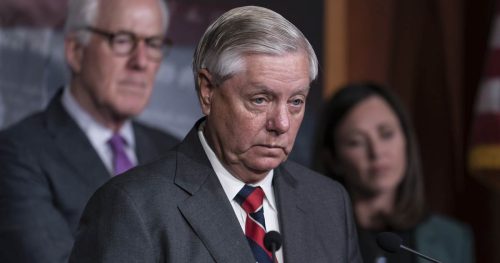
Senate Republicans have quietly decided not to mount a push to eliminate the filibuster, even as a faction presses to do so to clear the path for priority bills like the SAVE America Act.
Many conservatives want the filibuster gone because they see it as the only practical route to enact priorities that Democrats block with a 60-vote threshold. Ending it would let Republicans pass measures such as voter ID requirements, immigration enforcement funding, and tax relief with a simple majority. That argument is loud inside the conference, but the leadership is signaling caution and restraint.
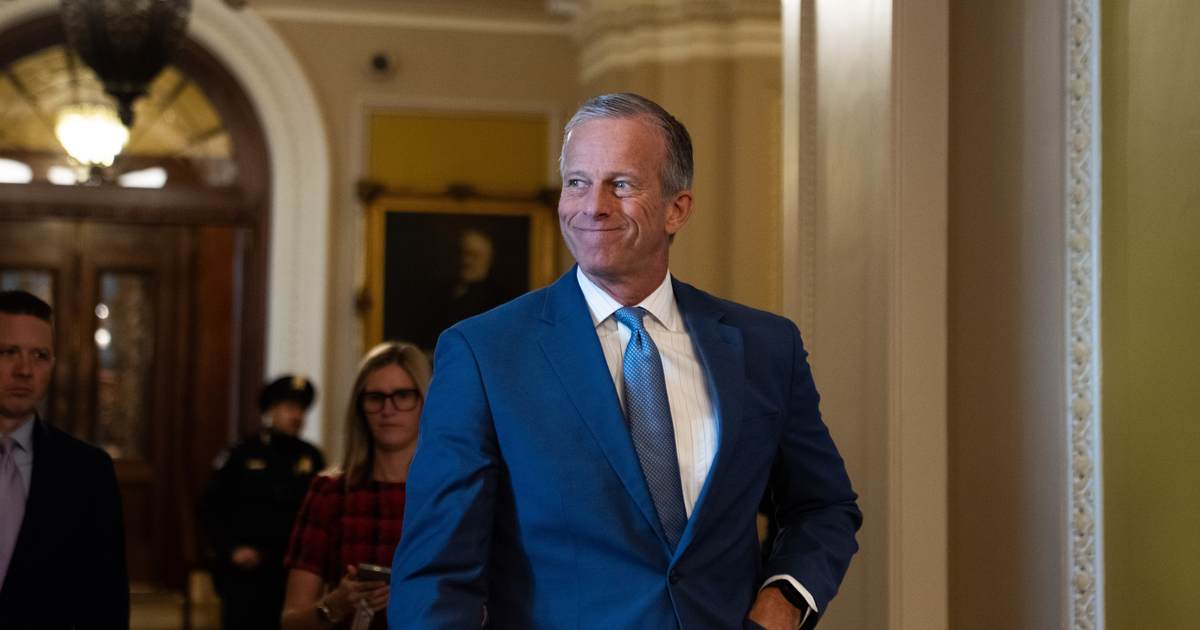
Senate Majority Leader John Thune, according to reporting, told colleagues to stop talking about nuking the filibuster, reflecting a reality check inside the GOP conference. Members who favor the change argue it would unlock the SAVE America Act and other MAGA goals, while skeptics warn about long-term consequences for Senate norms and future minority rights. The debate is now as much about political math as it is about principle.
Senate Majority Leader John Thune encouraged senators to stop talking about President Donald Trump’s stated priority of nuking the filibuster, according to two sources familiar with the matter.
After a few moderates at the Senate’s Wednesday steering lunch urged the Republican conference not to talk about nuking the filibusteropens in a new tab, Thune agreed that the move lacks the necessary support in the current conference, the sources said.
Thune clearly seemed to agree with the members asking their colleagues to stop discussing it, the sources said.
Trump has repeatedly demanded that Republicans eliminate the filibuster to require only a simple majority vote to pass key agenda items, instead of needing the customary 60 votes to end debate. His agenda includes the SAVE America Act, which would require proof of citizenship to register to vote and photo ID to vote in federal elections, as well as funding for the Department of Homeland Security.
Some in the Republican caucus remain firmly opposed to eliminating the filibuster, while others are warming up to the idea.
“By ending the filibuster now, Republicans could pass important legislation that the public overwhelmingly supports, but Democrats oppose,” Sen. Ron Johnson, R-Wis., wrote in The Wall Steet Journal opens in a new tab in March.
“My fellow conservatives and I have proudly used the 60-vote threshold to protect the country from all sorts of bad ideas and dangerous policies,” Sen. John Cornyn, R-Texas, wrote in a March 11 opinion article for the New York Post. “But when the reality on the ground changes, leaders must take stock and adapt.”
Inside the conference you see two camps: those who want immediate action to get bills across the finish line, and those who fear handing future Democrats the same tool to ram through their agenda. Leadership has leaned toward caution, arguing the numbers simply aren’t there and the optics could be dangerous. That calculus reflects concern for preserving Senate minority protections that Republicans have relied on in past years.
Proponents make a straightforward pitch: the filibuster is an obstruction that stops broadly popular policy from passing, and the public will reward decisive action. They point to immigration and voter integrity bills that stall under cloture rules and say majority rule should prevail when voters send a mandate. For activists and grassroots donors, that argument lands hard and fast.
Opponents counter that scrapping the filibuster would erase a guardrail that prevents massive swings in law with each change of power. They warn that the next time Democrats control the chamber, conservative priorities could be reversed just as quickly. Some senators also cite the compromise advantage of the 60-vote threshold to negotiate sustainable legislation with broader buy-in.
The political reality is messy: leadership wants to avoid a public civil war inside the party while preserving options for future fights. That is why Thune’s message was aimed at tamping down public chatter and focusing conference energy on achievable wins. Senate strategy often looks boring from the outside, but those quiet decisions shape whether big-ticket ideas ever reach the floor.
For rank-and-file conservatives, the pause feels like frustration and postponement rather than defeat. They view the filibuster as a tactical barrier erected by opponents who refuse to bargain in good faith, and they want to use majority power while they have it. The leadership’s restraint, however, shows the trade-offs senators balance between immediate ambition and long-term institutional stability.