This piece examines the fallout from the Eric Swalwell scandal, the role of Martin Shkreli in exposing the video, and the warning Shkreli issued about other House Democrats potentially being targeted next.
Martin Shkreli, the former pharma executive who was sentenced to seven years in prison for securities fraud in 2017, says he released video that implicated Rep. Eric Swalwell. The footage, according to reports, shows Swalwell in an intimate setting with an alleged escort and at least two other people present. The tape’s existence and Shkreli’s actions set off a rapid political collapse for Swalwell and a sharp scramble on the Hill.
The visual evidence, as described by observers, depicts Swalwell kissing the woman while another man sits on the bed and someone else records the scene. It’s the kind of material that turns private mistakes into public crises, especially for an elected official. For Republicans, it underlines how personal behavior can have career-ending consequences when exposed to voters and media.
Amazing. Sorry for everything I did, none of it is true. https://t.co/FFrJS0Qxt8
— Brent Scher (@BrentScher) April 13, 2026
Swalwell soon abandoned a California gubernatorial bid and announced his resignation from Congress amid the uproar. The speed of his exit made it clear that this was more than a small scandal; it became an event with immediate political cost. That cost ripples through party networks and raises fresh questions about vetting and accountability.
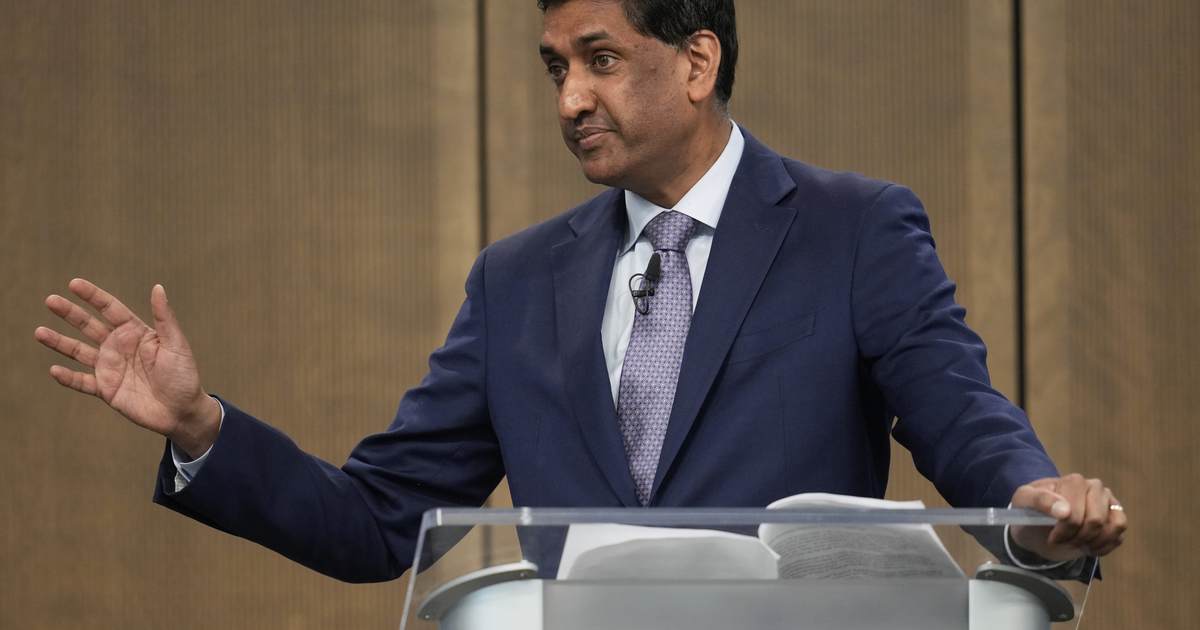
Shkreli has signaled he isn’t finished, and his threats put other Democrats on notice in a way that feels both personal and vindictive. He openly addressed House Democrats on social media and singled out Rep. Ro Khanna by name. The message makes clear this episode was framed as payback, not merely a journalistic disclosure.
to all house dems, this can happen to you easily. imma tell you one time: don’t fuck with me. @RoKhanna you fucked with me. that’s against the aforementioned rules. so you next.
everyone has a secret, a vice, a mistake. but not everyone has a determined enemy. tread carefully.
The tweet reads like a warning shot, and Republicans will note the political theater around it as part of the larger story about consequences. Whether this is performative or a real threat, it forces every lawmaker to reckon with the idea that private conduct can be weaponized. The partisan fallout will be discussed in committee rooms and campaign strategy sessions for months.
Beyond the spectacle, the Swalwell affair raises practical questions about national security, influence, and how personal relationships intersect with public duty. Swalwell previously faced scrutiny over contacts with individuals tied to foreign intelligence, and this scandal layers new optics onto those old concerns. For conservatives, that combination of personal misstep and prior questions about judgment compounds the case against him.
Shkreli’s motive, framed as revenge, complicates any neat narrative about transparency or accountability. He served time for fraud, and his actions now look like targeted retaliation rather than altruistic whistleblowing. That dynamic makes it harder to claim a purely civic-minded rationale and easier to see raw personal grievance at work.
Word circulated that a new Swalwell accuser planned a public appearance the same night Swalwell announced his resignation, timing that suggests coordination or at least a rapid response from those seeking accountability. The overlapping announcements and social media bombshells created a compressed news cycle that left little room for damage control. In modern politics, a single day can decide a career.
Republicans will use this moment to press the broader point about standards and consequences for behavior in public office. The episode gives them fresh rhetorical leverage to argue for higher scrutiny and more rigorous consequences when misconduct surfaces. It also sharpens the partisan divide over how to handle scandals that blend private and public wrongdoing.
At the same time, the spectacle invites uncomfortable questions about who gets targeted and why, and whether political retribution replaces legal process. The weaponization of personal failings can feel dangerous when it’s driven by vendetta rather than the search for truth. Still, in politics, perception is often as decisive as prosecution, and perception here has already reshaped careers.