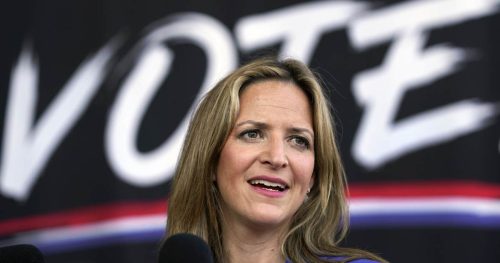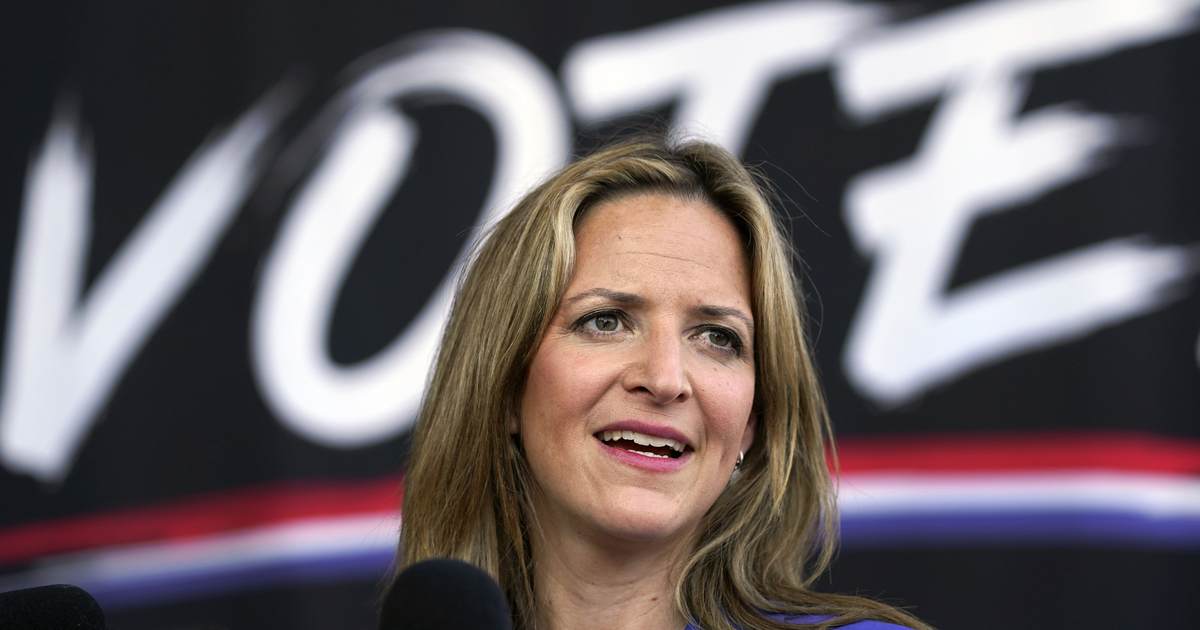
Michigan Secretary of State Jocelyn Benson’s past ties to the Southern Poverty Law Center are under renewed scrutiny after the organization was indicted on multiple federal charges, raising questions about what board members knew and how this might affect Benson’s political standing.
A federal indictment accuses the Southern Poverty Law Center of 11 criminal counts, including wire fraud, false statements to a federally insured bank, and conspiracy to commit money laundering. Those allegations cover conduct between 2014 and 2023, and they cast a new light on public figures who volunteered for or served on the SPLC’s board. For a statewide official running for higher office, association with a group now facing serious federal charges is politically dangerous and invites tough questions from voters and opponents. The timing of the indictment threatens to complicate Benson’s ambitions in Michigan politics.
Jocelyn Benson served on the SPLC board and worked with the organization on investigations into hate groups and hate crimes. Her involvement shows up in public biographies from earlier in her career and in public statements she made while affiliated with the group. Those past roles are now being reassessed by critics who argue that any close connection to an indicted nonprofit deserves clear answers from elected officials. Republicans are framing this as a matter of judgment and accountability ahead of any campaign escalations.
The indictment alleges that the SPLC paid millions of dollars to groups identified as racist organizations, naming the Ku Klux Klan, the Aryan Nation, and the National Alliance among recipients. According to the charging documents, those payments began in 2014 and continued through 2023, a span that overlaps with Benson’s period of involvement. The accused scheme, if proven, suggests the SPLC allegedly used funds and informant relationships in ways that contradicted its public mission. That contradiction is central to the political argument being advanced by Benson’s opponents.
The indictment includes a passage that spells out the alleged misconduct in blunt terms: “The SPLC’s paid informants (“field sources”) engaged in the active promotion of racist groups at the same time that the SPLC was denouncing the same groups on its website,” the indictment said. “The SPLC also had a field source who was a member of the online leadership chat group that planned the 2017 “Unite the Right” event in Charlottesville, Virginia. That field source made racist postings under the supervision of the SPLC and helped coordinate transportation to the event for several attendees.” Those specifics are likely to drive media coverage and political attacks alike.
Beyond the quote and the financial allegations, the indictment asserts that informants were paid to coordinate events that were later used to fuel fundraising campaigns framed as combating hate. That strategy, as alleged, allowed the SPLC to present public-facing narratives while internal practices diverged. For voters who want clarity and candor from public officials, the distinction between oversight and endorsement matters. Critics are asking whether board members like Benson should have known more about how the organization handled its informants and funds.
In 2015 Benson publicly said she was “very proud” to be on the SPLC’s board, a remark that opponents are now using to argue that she embraced the organization at a time when its methods are alleged to have been problematic. Benson later resigned from the board in 2019, a fact that the Secretary of State’s office made public at the time. Still, resignation alone does not erase prior association, and Republicans are pressing for detailed disclosures about what she knew and when.
As the legal process unfolds, outside groups have stepped forward to demand greater scrutiny of the SPLC’s tax and nonprofit status. Calls to revoke or review tax exemptions reflect anger over the alleged conduct and a desire to hold influential institutions accountable. For politicians who once aligned themselves with the SPLC, the fallout poses a political test: explain past choices, show independence from any alleged wrongdoing, and convince voters that they will prioritize transparency in office.
On Detroit PBS in 2015, Jocelyn Benson said she was "very proud" to be on the Southern Poverty Law Center board: pic.twitter.com/DZovlsDgUA
— The Midwesterner (@Th_Midwesterner) April 24, 2026
The coming weeks are likely to bring more document releases, media questions, and political messaging around this case. Benson’s campaign and allies will need to address the indictment’s claims and her role on the SPLC board, while Republican challengers will press the issue to shape public opinion. The indictment itself sets a legal timeline, but its political consequences could be immediate and consequential for Michigan’s gubernatorial landscape.
Benson resigned from the SPLC board in 2019, according to a 2019 tweet from the Michigan Department of State.
Other groups have called on the SPLC to lose its tax-exempt status in response to the allegations and the indictment.