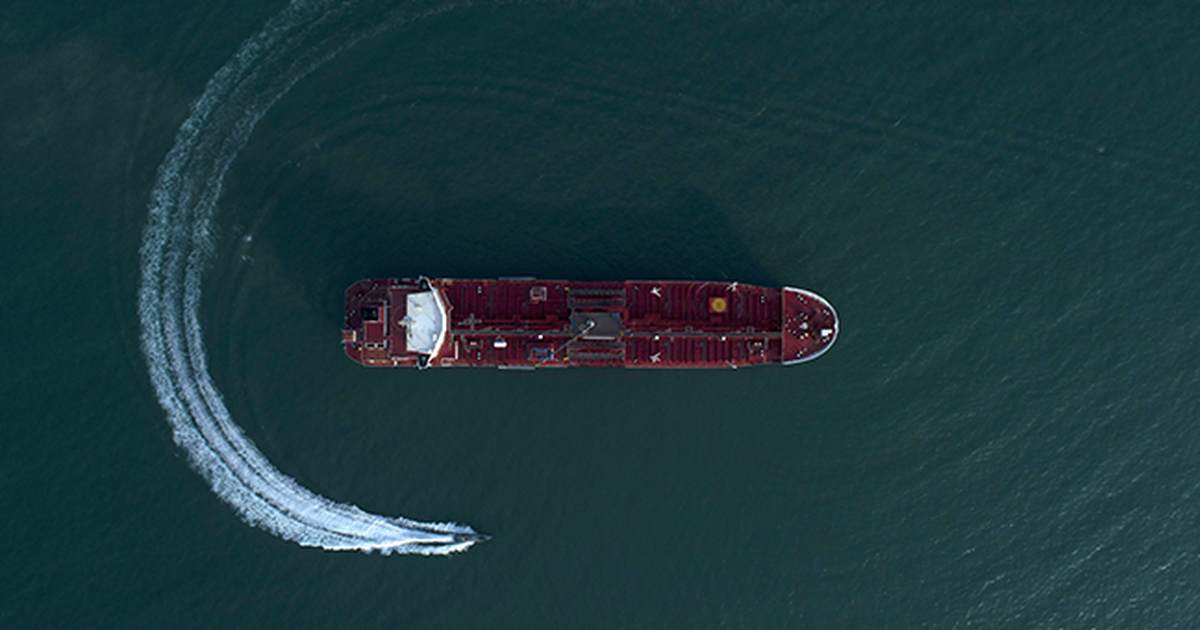
The U.S. naval blockade around the Strait of Hormuz is squeezing Iran’s oil revenues, rerouting shipments, and coming after failed talks that left major points unresolved between Washington and Tehran.
The reported cost to Tehran is stark: roughly $400 million a day, which adds up to nearly $13 billion every month. That calculation captures both lost export revenue and the wider pressure on an economy already strained by years of sanctions and mismanagement. From a Republican perspective, the blockade is a clear piece of pressure politics designed to remove Tehran’s last leverage and accelerate strategic results without sending large numbers of troops into harm’s way.
“The Iranian oil blockade is probably the knockout punch,” Fox News’ Will Cain said. “The Iranians are trying to outlast us. The longer the war goes on, the longer their regime can hold off a revolution. But their economy is experiencing a crippling depression. This blockade is costing the regime almost 400 million dollars a day. That’s 13 billion dollars a month. Plus the Iranians can only store oil for about two weeks before they have to start shutting off wells. The Iranians can’t outlast us.”
🚨 HOLY SMOKES. It's just been confirmed that President Trump is costing Iran $400 MILLION every single DAY — $13B PER MONTH — while the Strait of Hormuz is blockaded
Checkmate.
"The Iranian oil blockade is probably the knockout punch…their economy is experiencing a… pic.twitter.com/G3TVKZZy5j
— Eric Daugherty (@EricLDaugh) April 14, 2026
The blockade began on Monday with a clear line drawn: it would target Iranian vessels specifically, rather than global shipping at large. That narrow focus matters for messaging and for allies who are wary of broader disruption, but it still cuts off the regime’s primary cash flow. Officials are banking on economics to force political change, betting that tightening the financial screws will make risky behavior at home and abroad harder to sustain.
Diplomatically, this action followed a weekend of talks that did not produce a breakthrough. U.S. and Iranian negotiators spent nearly 21 hours at the table in Pakistan, but negotiators could not bridge core differences. Tehran balked at concessions the Trump administration described as red lines, including a full stop to nuclear ambitions and an end to support for proxy groups like Hamas and Hezbollah.
Iran reportedly floated a compromise to pause parts of its nuclear program for up to five years, while American negotiators pressed for a much longer halt — a 20-year freeze that U.S. officials say would lock in nonproliferation for a generation. Those numbers matter: they show the gap between a temporary, reversible truce and something Washington considers durable. The deadlock underlines why the administration has shifted to tools that impose immediate pain rather than rely solely on slow-moving negotiations.
Practically, the blockade is forcing a re-route of shipping lanes and energy supply chains. Tankers that once threaded the Strait of Hormuz now avoid the area or change destinations, and some cargoes are being redirected toward the United States and allied ports. That rerouting raises costs and delays, but it also deprives Tehran of straightforward, high-volume sales that the regime depends on to finance operations and subsidies at home.
Iran’s oil handling limits make the squeeze especially acute: officials and analysts note the country can store only a short window of crude before wells must be curtailed. Shutting production is not instantaneous, but it is consequential — wells idle for long stretches can reduce long-term output and revenue. For a regime that relies on energy income to prop up loyalty networks and military proxies, those technical realities translate directly into strategic vulnerability.
Editor’s Note: For decades, former presidents have been all talk and no action. Now, Donald Trump is eliminating the threat from Iran once and for all.
Economically, the punitive move aligns with a familiar conservative playbook: squeeze the adversary’s finances, limit their ability to export violence, and force a reckoning without deploying vast ground forces. That approach carries risks and costs to global markets in the short term, but supporters argue it is preferable to open-ended wars and to appeasement that lets bad actors keep funding destabilizing operations. For now, the blockade’s immediate effect is measurable revenue loss and a diplomatic posture that signals resolve.