President Trump vowed the United States will not allow Iran to use the Strait of Hormuz to pressure the world, and he has ordered measures to force Tehran back to the table while American energy supplies remain strong.
President Trump made clear he won’t tolerate what he described as Iran trying to “blackmail or extort the world,” and his administration moved quickly after talks stalled over the weekend. U.S. forces instituted operations to control traffic through the Strait of Hormuz, a decisive step meant to push Iran toward serious negotiations. The message from Washington is straightforward: coercion will meet resistance.
The administration says the deployment is aimed at increasing pressure so Iran reconsiders its posture and opens meaningful talks. Officials familiar with the matter say Iranian representatives have shown renewed interest in negotiating a deal, a sign the pressure campaign may be working. Republican leaders argue this mix of strength and diplomacy is precisely the approach needed to protect global energy flows and American interests.
The president also offered an update about hundreds of oil tankers now heading to the United States to buy American crude, underscoring how U.S. energy production has reshaped global markets. That supply strength gives the U.S. leverage and reduces vulnerability to foreign coercion, which was a key theme of the president’s remarks.
.@POTUS: "We can't let a country blackmail or extort the world because that’s what they’re doing, they’re really blackmailing the world. We’re not going to let that happen."
"And many ships are heading to our country right now as we speak to load up with the best [oil]…" pic.twitter.com/8gCGjZiHX1
— Rapid Response 47 (@RapidResponse47) April 13, 2026
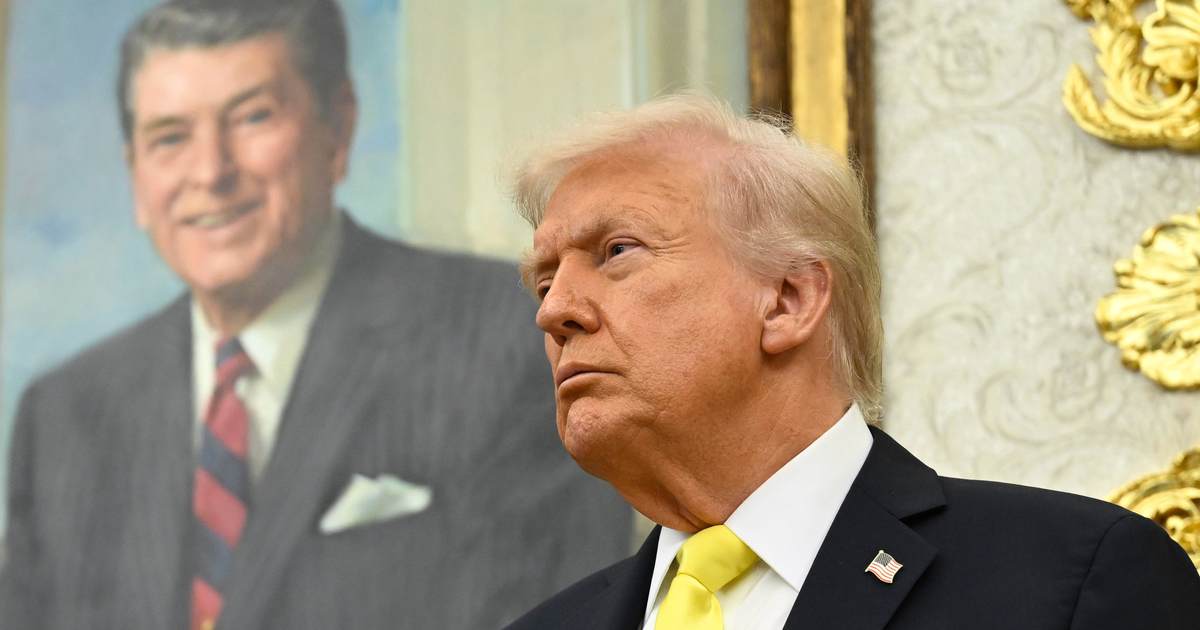
“We can’t let a country blackmail or extort the world because that’s what they’re doing. They’re really blackmailing the world. We’re not going to let that happen,” the president told reporters at the White House, Monday. “And you know, the amazing thing is we don’t. Can you believe this? We don’t use this rate. We don’t need this. We have our own oil and gas much more than we need. We have more oil and gas in Saudi Arabia. Think of this. We produce more than Saudi Arabia and Russia, substantially more. And by next year, we’ll have double that amount. So we don’t need it. But the world needs it.”
“Many ships are heading to our country right now as we speak to load up with the best. Really, I guess you could say somebody said the best and sweetest,” he added, pointing out how global buyers are turning to U.S. supplies. The administration sees those tanker movements as both a market signal and a bargaining chip in diplomacy. Conservative voices say that energy independence means America can stand firm without being held hostage by foreign regimes.
On the diplomatic front, officials report morning calls from what the White House called “the right people” who indicated a willingness to try to work a deal. That contact suggests Iran may be recalibrating after facing a coordinated U.S. response, though hard bargaining remains ahead. Republicans emphasize that any agreement must prevent Tehran from advancing nuclear capabilities while curbing its disruptive behavior in the region.
The president also reaffirmed his commitment to stopping Iran from obtaining a nuclear weapon, a promise that drives much of the current strategy. That commitment is backed by hard power options and an assertive posture in international waters, which the administration argues are necessary given Tehran’s past behavior. Conservative analysts say the combination of military readiness and economic leverage offers the best chance to protect allies and deter aggression.
Editor’s Note: For decades, former presidents have been all talk and no action. Now, Donald Trump is eliminating the threat from Iran once and for all.
For now, the situation remains fluid: negotiations are possible, tankers are on the move, and the administration is broadcasting a clear line that coercion will not be rewarded. The coming days will show whether Iran moves toward a credible deal or escalates, but the White House has made its stance unmistakable and is using American energy strength as a lever.