Trump’s team has started renovating the Lincoln Memorial Reflecting Pool ahead of America’s 250th, applying an American Flag blue coating to the pool floor to stop murkiness, completing the work in one week at a cost of $1.5 million versus a previously discussed $300 million, three-year proposal under the Biden administration, and the effort is being shown alongside other projects like a 90,000 square foot White House Ballroom construction.
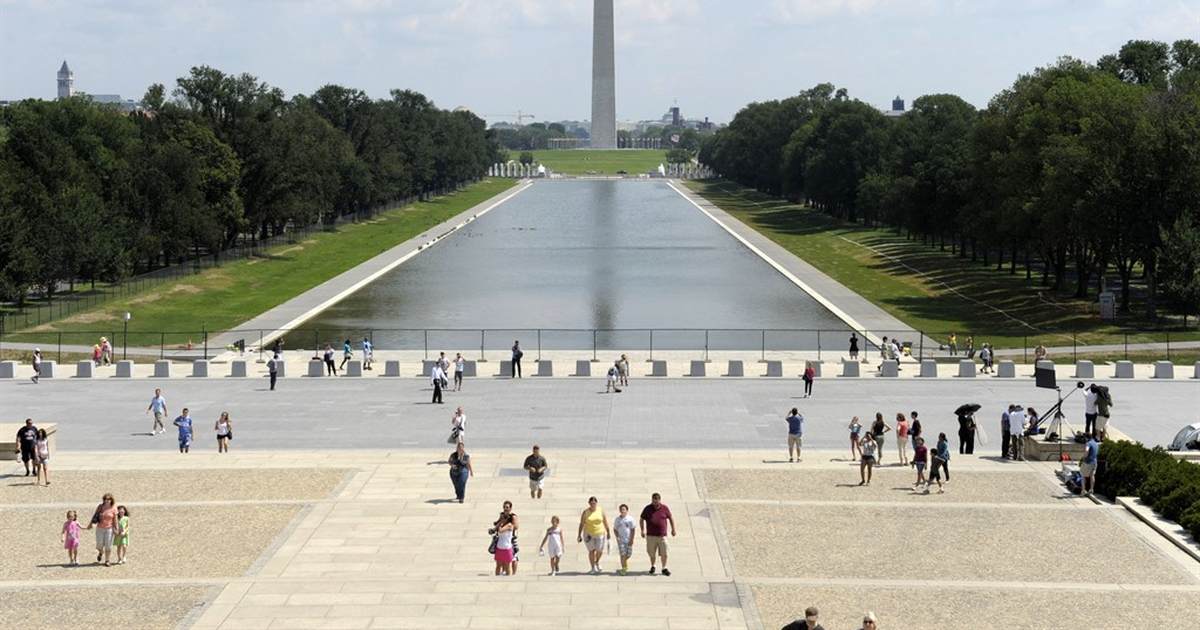
Renovations are underway at the Lincoln Memorial Reflecting Pool in Washington, D.C., timed for America’s 250th Birthday celebration in July. Workers have been seen applying a blue coating to the pool bottom intended to keep the water clear and preserve the iconic look of the memorial. The work aims for a fast, visible update that visitors will notice when they come to the National Mall.
The job is being handled on a tight budget: the renovations are slated to cost taxpayers just $1.5 million and finish in one week. That stands in stark contrast to a $300 million, three year proposal that was under discussion during the Biden administration. This trimmed-down approach saves money and delivers results quickly, which is exactly what conservative taxpayers expect from accountable leadership.
Paint crews are busy painting the Lincoln Memorial Reflecting Pool blue this morning. pic.twitter.com/t9ZkYv4POr
— Andrew Leyden (@PenguinSix) April 25, 2026
President Trump promoted the work by sharing a rendering showing the renewed pool compared to the monument’s earlier, neglected condition under previous stewardship. The comparison was blunt and meant to be unmistakable, pointing to the difference that focused attention and decisive action can make. For supporters, this kind of visible improvement is proof that priorities are being reset toward practical fixes.
This pool refresh is only one item among a slate of projects under the current administration, including ongoing construction on a 90,000 square foot White House Ballroom. These efforts reflect a preference for targeted upgrades that restore function and pride rather than sprawling, expensive plans that drag on for years. When teams move quickly and directly, taxpayers see the benefit without long delays or runaway costs.
There is a policy point here that matters beyond aesthetics. Choosing a modest, well-scoped renovation over a multi-hundred-million-dollar overhaul reflects a governing philosophy that values stewardship and fiscal restraint. It also sends a message that public spaces should be maintained efficiently so they honor our history and serve the public now, not years down the road.
Critics may spin any change as political, but this is a straightforward municipal fix that improves a landmark just ahead of a national celebration. Getting the job done fast and affordably avoids the spectacle of cost overruns and missed deadlines that have plagued larger federal projects. For citizens who pay the bills, a one-week job for $1.5 million is a clear win compared with long, expensive alternatives.
Practical updates like a protective coating to prevent murky water are the kind of commonsense solutions that make public spaces work better and look better. They reduce maintenance headaches and help ensure monuments remain dignified settings for visitors and ceremonies. A tidy reflecting pool matters for the photos, for the tourists, and for the respect we show our national symbols.
These visible improvements feed into a broader argument about governance: conservatives argue that focused projects and accountability produce the best outcomes for taxpayers and the public. Whether you care most about stewardship, cost control, or pride in national landmarks, a quick, inexpensive renovation that restores a famous view is hard to argue against. Actions like this show how small, sensible investments can make a big difference in the public realm.