President Trump says stopping Iran from getting a nuclear weapon dominates talks, vows to keep shipping lanes open and presses for a durable ceasefire while U.S. envoys pursue negotiations in the region.
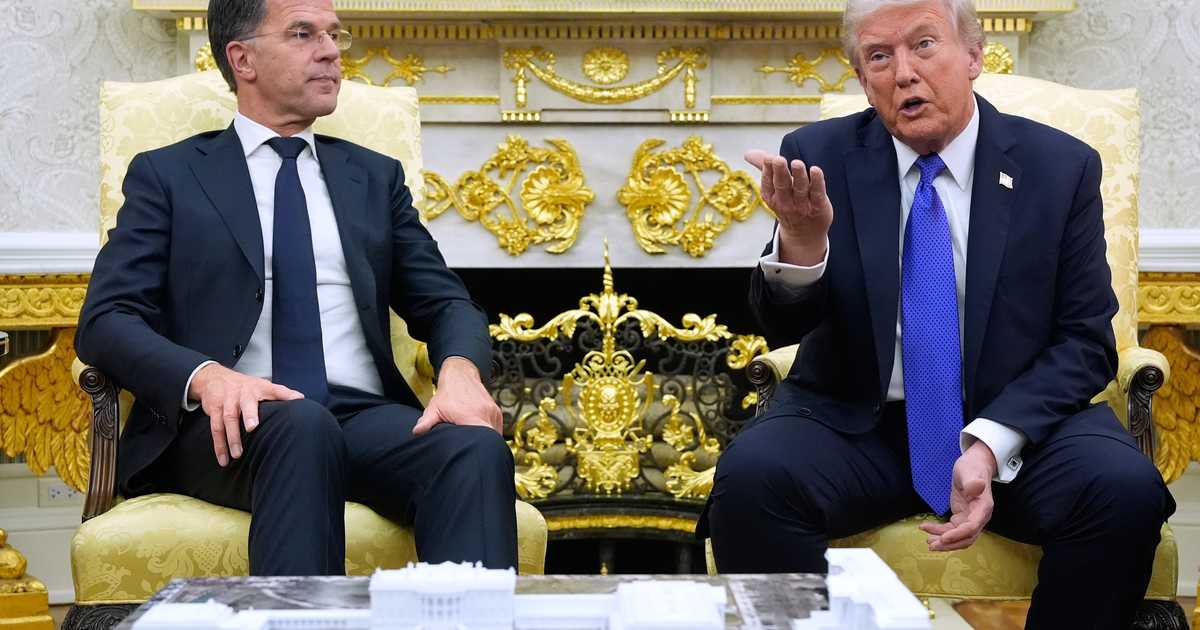
President Donald Trump continues to shape the conversation around U.S.-Iran relations with a straightforward posture: stop Iran from getting a nuclear weapon and protect global commerce. His comments come as Vice President J.D. Vance travels to Islamabad to press for mediation and to stabilize the fragile truce. The administration is leaning on diplomacy backed by the credibility of American military strength.
Trump told reporters he won’t let Iran toll the Strait of Hormuz, a critical artery for world oil shipments and a flashpoint for any escalation. That line is simple and sharp: freedom of navigation is nonnegotiable, and the United States will act to keep maritime traffic moving. For conservatives, the message lands as a clear deterrent rather than a vague threat.
The president also asserted that Iran’s military is defeated in recent engagements and said the U.S. will open the Strait to reassure allies and traders. That claim is meant to signal that the cost of further aggression for Tehran is real and immediate. It reflects a posture many Republicans favor: negotiate from a position of strength.
REPORTER: You're not going to let them toll the Strait, are you?@POTUS: No, we're not going to allow that, it's international water. If they're doing that, we're not going to let that happen. pic.twitter.com/Fo6WHZWxvM
— Rapid Response 47 (@RapidResponse47) April 10, 2026
Trump framed the heart of the negotiations plainly, saying ensuring that Iran never has a nuclear weapon is 99 percent of the talks. That math underscores an uncompromising priority: nonproliferation, not regime change. The administration is focused on real guarantees rather than ambiguous accords that could leave loopholes.
Behind the scenes, U.S. envoys are trying to turn a shaky ceasefire into a longer-term pause that prevents the conflict from reigniting across the region. Diplomatic channels through Pakistan are part of that push, with Vance aiming to line up regional players around enforceable steps. A ceasefire that lasts will need verification, patience, and the credible threat of consequences if Tehran backslides.
Washington’s approach mixes pressure and bargaining: military readiness to deter immediate threats and negotiation to secure long-term outcomes. That dual track recognizes the limits of either tool alone. Republicans in and out of government argue that strength makes diplomacy credible.
The president’s stance also sends a message to allies like Israel and Gulf partners that the United States intends to defend shared interests. Those allies want clarity that America will both deter misbehavior and keep diplomatic doors open. Stabilizing the region is a coalition effort, and Trump’s rhetoric is aimed at reassuring partners that U.S. commitments are firm.
Critics on the Left have pushed for softer language and rushed deals, but the administration insists on durable results that prevent nuclear breakout. From a Republican viewpoint, bargaining without ironclad safeguards is a replay of past mistakes. The goal here is a long-term fix, not a headline-grabbing short-term temp fix.
Beyond nuclear constraints, sanctions and monitoring remain central tools to keep Tehran in check if talks progress. Pressure has been calibrated to pinch Iran’s ability to fund destabilizing activities while leaving space for negotiation if Tehran genuinely accepts strict limits. Enforcement and verification protocols will be the tests of any agreement.
Domestically, the president’s comments play to voters who want a tough stance on national security issues and clear wins on nonproliferation. Republicans view decisive leadership on Iran as essential to protecting American interests and global stability. The messaging is precise: keep weapons out of hostile hands and defend the trade routes that power the global economy.
There is genuine risk in any diplomatic effort with Iran, and the administration knows it. That risk is why Washington is combining visible deterrence with active talks, insisting that concessions be tied to measurable steps and reliable oversight. For many conservatives, that mix is the only realistic path to a lasting outcome.
As negotiations unfold, the U.S. will be judged on whether it can convert a fragile ceasefire into enforceable terms that prevent nuclear development and curb regional aggression. The president’s 99 percent line is a political and strategic anchor: it signals priorities and narrows the scope of acceptable outcomes. That clarity helps set expectations at home and abroad.
Diplomacy in this moment will require patience, toughness, and a willingness to walk away if Iran refuses meaningful limits. That stance reflects a Republican belief that peace backed by strength is sustainable peace. Policymakers will be watching how Tehran responds to both pressure and the slim window for a deal that excludes nuclear capability.
Editor’s Note: Do you enjoy Townhall’s conservative reporting that takes on the radical Left and woke media? Support our work so that we can continue to bring you the truth.
Join Townhall VIP and use promo code FIGHT to receive 60% off your membership.