President Trump declared that Iran agreed to hand over its enriched uranium, a claim that comes after talks collapsed in Islamabad and follows a U.S. blockade of the Strait of Hormuz that has choked Iranian oil exports.
Start with the blunt fact: this would be a major development if it holds up. The president said Iran has agreed to turn over all its enriched uranium, and that assertion changes the narrative from endless brinksmanship to a possible win on nonproliferation. Skeptics will demand verification, but the claim itself shifts leverage back to the United States.
The context matters: negotiations broke down in Islamabad earlier this month, and Washington responded by refusing to extend a ceasefire while tightening military pressure. The U.S. blocked the Strait of Hormuz, a move that has effectively stopped Iran from exporting oil and forced refineries to slow production. That squeeze is the immediate economic lever that pushed Tehran into a corner and made a transfer of material plausible.
Trump has described post-Islamabad conversations with Tehran as productive, but independent confirmation is still necessary; this is something to watch closely.
BREAKING: TRUMP SAYS IRAN HAS AGREED TO HAND OVER ITS ENRICHED URANIUM SUPPLY
— Insider Paper (@TheInsiderPaper) April 16, 2026
President Trump said Iran had agreed to turn over its highly enriched uranium.
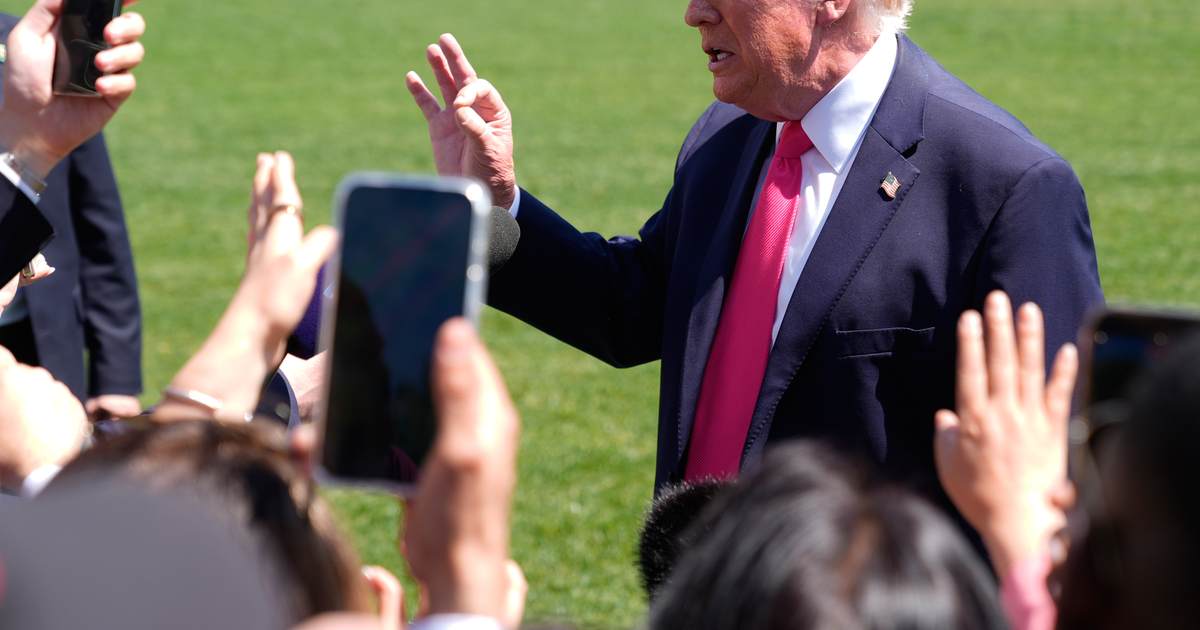
“They’ve agreed to give us back the nuclear dust,” Trump said, referring to the shorthand he often uses to describe the country’s uranium. Trump has maintained that Iran can’t be allowed to make a nuclear weapon and he previously weighed a risky military operation to extract the uranium from the country. Representatives for Iran didn’t respond to a request for comment.
Assuming the transfer is real, the immediate winners are American strategy and common sense pressure tactics. Diplomacy backed by credible force and economic pressure produced results where softer approaches failed, and that sends a lesson to rivals and allies alike. It also hands a political victory to conservatives who have been calling for a tougher line on Tehran for years.
Verification will need to follow fast: inspectors, secure chain of custody and clear public reporting so the world can see the material is out of play. The phrase “highly enriched uranium” is not rhetorical; when you move fissile material you need airtight guarantees that it can never become a weapon. If the U.S. successfully secures that material, it removes one of the most immediate proliferation risks from the region.
There are consequences beyond nonproliferation. Cutting Iran off from oil sales squeezes its economy, weakens hardline factions and empowers moderates who might favor pragmatic deals over confrontation. For countries that relied on Iranian crude, especially state purchasers, the disruption is political and economic; they now have to adjust supply chains and policy calculations. That kind of pressure can change behavior in ways talk alone never did.
Expect howls from the usual corners — panics, TV pundit melodrama, and former administration officials scrambling for narrative control. Conservatives should press the advantage: highlight verification steps, demand transparency, and keep the pressure so this is cemented into a durable result. Let political opponents explain why a tougher posture failed to achieve the same outcome when they had the chance.
The international picture is fluid: allies will want evidence, adversaries will probe for weakness, and markets will reprice risk depending on how the handoff is supervised. This is not a finished deal on a handshake; it is a test of follow-through. If the uranium truly moves into secure custody under international oversight, it will be a rare moment where strategic patience and pressure combined to produce a tangible security gain.