President Trump’s prime-time Iran address drew fierce criticism from Democrats and cable hosts while laying out the administration’s next military steps and a looming congressional clock under the War Powers Act.
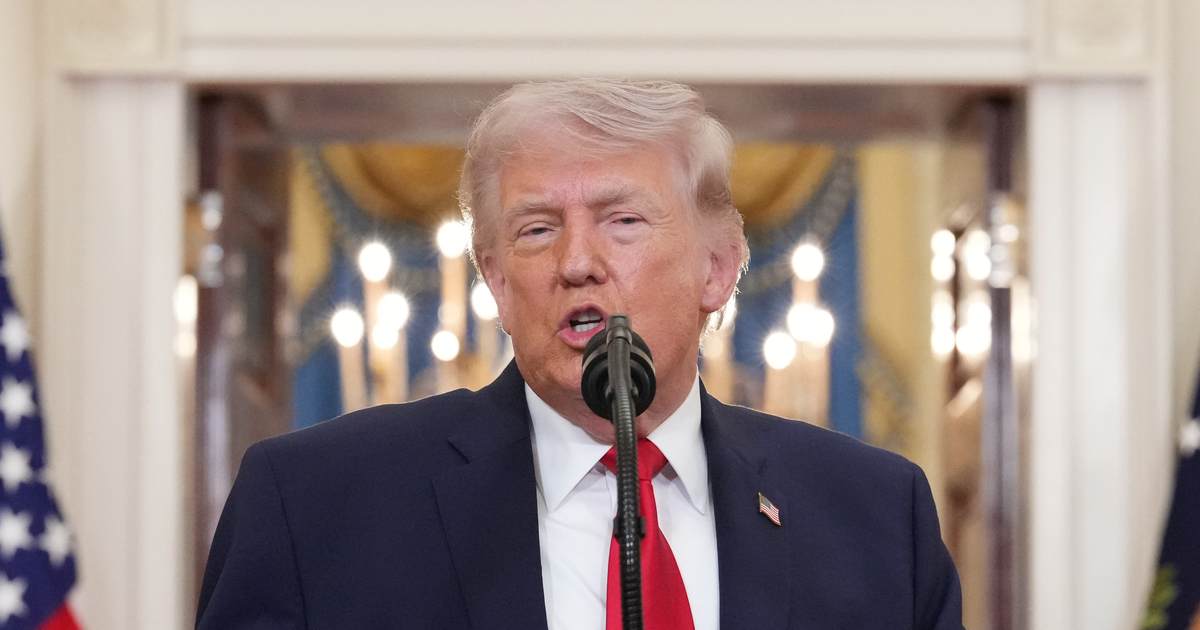
President Donald Trump spoke to the nation for nearly 20 minutes, explaining why the administration is pressing its campaign against Iran and setting a timeline for continued operations. He said the U.S. and Israeli strikes would continue for another two to three weeks and warned that, if Tehran refuses to negotiate, American forces could target Iran’s energy infrastructure. The speech aimed to frame the campaign as both firm and limited in scope.
Unsurprisingly, Democratic leaders erupted in condemnation, framing the address as lacking legal justification and a clear endgame. Senate Minority Leader Chuck Schumer called it “rambling, disjointed and pathetic presidential war speech” and warned the offensive “will be considered one of the greatest policy blunders in the history of our nation.” Their outrage reads like partisan reflex, but it also forces a debate about authority and oversight.
House Minority Leader Hakeem Jeffries accused the president of sidestepping Congress and putting troops at risk, demanding authorization before any broader use of force. He said, “Iran is a bad actor and must be aggressively confronted for its human rights violations, nuclear ambitions, support of terrorism and the threat it poses to our allies like Israel and Jordan in the region,” and added that the administration should seek Congress’s approval “absent exigent circumstances.” That line echoes a long Democratic playbook about process over the realities on the ground.
Sen. Tim Kaine urged the Senate to block further hostilities and questioned the lessons taken from past interventions. He asked, “Has President Trump learned nothing from decades of U.S. meddling in Iran and forever wars in the Middle East? Is he too mentally incapacitated to realize that we had a diplomatic agreement with Iran that was keeping its nuclear program in check, until he ripped it up during his first term?” Those comments mix foreign-policy skepticism with a personal attack on the commander in chief’s judgment.
Cable commentators also piled on, critiquing tone and delivery as much as substance. MSNBC’s Chris Hayes said Trump “really sounded and looked quite old, quite low energy, quite exhausted, and not particularly focused.” The media’s fixation on optics often overshadows the core issue: whether the strategy will deter Iran and protect U.S. interests.
Has there ever been a more rambling, disjointed, and pathetic presidential war speech?
Donald Trump’s actions in Iran will be considered one of the greatest policy blunders in the history of our country, failing to articulate objectives, alienating allies, and ignoring the… https://t.co/3An0nd3h1y
— Chuck Schumer (@SenSchumer) April 2, 2026
Nicole Wallace argued the president failed to be candid with families of fallen service members, saying he “missed the opportunity to speak honestly and frankly” and stressing that voters judge leaders by candor. Media critiques like hers underline a demand for clarity and empathy, but they rarely acknowledge the need to act decisively when national security is at stake. These tensions — between political theater and military necessity — dominate the response.
The legal clock is a central fact here: the conflict is approaching the 60-day mark at which point the president must seek congressional approval to continue major military operations under the War Powers Act. That statutory mechanism forces a hard choice for lawmakers who publicly decry the president’s actions while privately avoiding the responsibility of authorizing or restraining them. Congress cannot veto its duty by loud complaints alone.
Republicans who back the president see his address as a straightforward statement of purpose and resolve, a needed posture after years of threats and instability from Iran. Supporters argue the administration laid out a reasonable, time-bound campaign and left room for diplomacy while signaling real consequences for Tehran if it refuses to change course. In their view, governing requires hard decisions that critics often criticize without offering alternatives.
Democrats demand hearings, legal memos, and a vote, while much of the public watches to see if the strategy actually reduces threats to allies and American forces. Political theater will continue, but the practical test remains whether the president’s actions produce the deterrence and outcomes he described. Lawmakers are now faced with the choice the system was designed to resolve: debate and act, or let events dictate policy by default.