A twice-deported Mexican national, Ruben Salgado-Espinoza, 51, was sentenced to 169 months in prison after an undercover arrest in Green Bay that recovered about 30 kilograms of cocaine; court records say he ran a large trafficking network from a Rockford compound, modified vehicles with hidden compartments, and moved tens of kilograms of cocaine per month, leading to the largest cocaine seizure in Green Bay history and a multiagency federal prosecution.
On April 14, 2026, United States District Judge Byron B. Conway handed down a 169-month sentence to Ruben Salgado-Espinoza for conspiring to distribute cocaine and illegally re-entering the United States after removal. The term equals roughly 14 years behind bars and follows his arrest the previous year during a targeted undercover operation. Federal prosecutors treated the case as a major drug trafficking prosecution tied to cross-border supply chains.
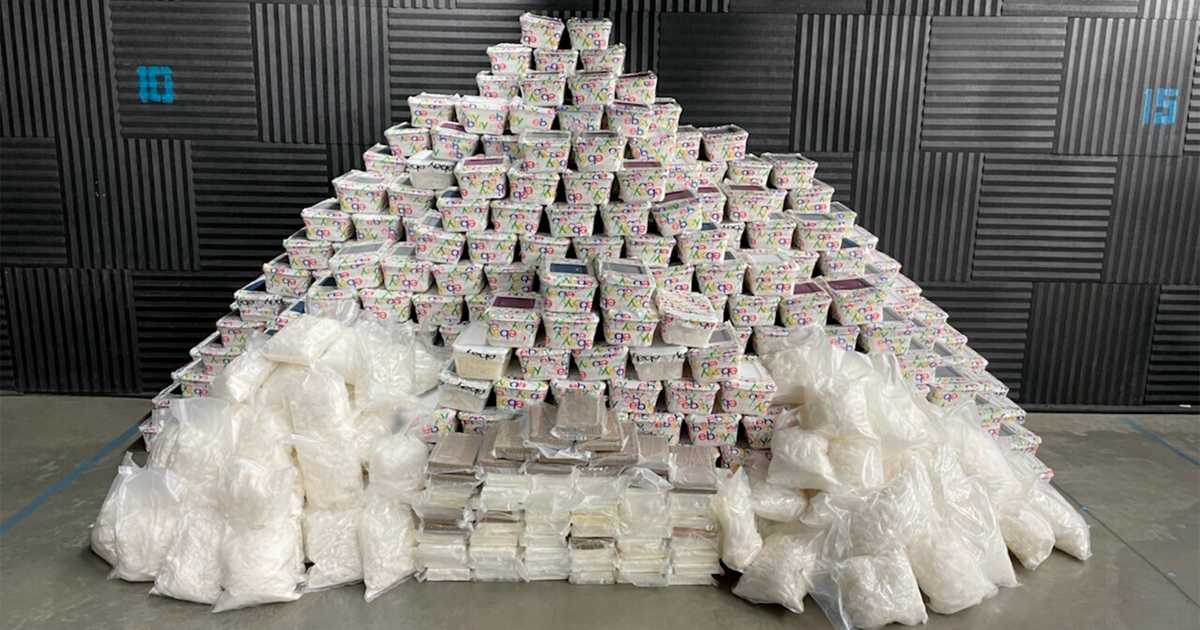
Salgado-Espinoza was arrested on April 22, 2025, in Green Bay while in possession of about 30 kilograms of cocaine, which officials call the largest cocaine seizure in that area’s history. After his arrest he admitted to being unlawfully present in the United States and to distributing between 18 and 35 kilograms of cocaine per month over the prior 18 months. The cocaine attributed to him has an estimated street value in the millions, according to court records.
Court filings describe Salgado-Espinoza as the leader of a large-scale drug trafficking organization that moved hundreds of kilograms of cocaine and operated from a compound in Rockford, Illinois. He allegedly received bulk shipments from a supply source in Mexico and altered vehicles with sophisticated hidden compartments, often called “trap cars,” to conceal and transport drugs. Prosecutors say he sold modified vehicles to other distributors to facilitate wider distribution across the region.
First Assistant U.S. Attorney Brad D. Schimel stated, “This case demonstrates why we must keep our border secure. The United States twice deported this defendant, and he came back again, bringing with him the largest amount of cocaine ever seized in the history of the Green Bay area. He should have been prevented from setting foot on U.S. soil again. The drugs he trafficked delivered great suffering to countless people struggling with addiction, as well as the pervasive violence and other crime that accompanies the illegal drug trade. This time, the defendant will rightly serve a very long time in prison before he will be once again removed from our country. Hopefully, this time we will ensure he never returns.”
Salgado-Espinoza was previously removed from the United States in 1998 and again in 2002, yet prosecutors say he returned and rebuilt his trafficking operation. Upon completion of his 169-month sentence he will be removed once more to Mexico. The sequence of removal, reentry, and large-scale trafficking has become a focal point for those warning that border enforcement gaps enable repeat offenders to resume criminal enterprises.
“This sentence sends a clear message: those who lead large-scale drug trafficking operations will be identified, prosecuted, and held accountable,” said John McGarry, Assistant Special Agent in Charge of Drug Enforcement Administration Milwaukee District Office. “The DEA remains steadfast in working with our partners to dismantle these organizations and protect our communities.” The agency emphasized that prosecutions like this one depend on coordinated investigations and long-term evidence-building to reach federal court.
The case was investigated by the Drug Enforcement Administration Green Bay Resident Office with assistance from the Brown County Drug Task Force, the Lake Winnebago Area Metropolitan Enforcement Group – Drug Unit (LWAM), the Wisconsin Department of Justice – Division of Criminal Investigation, the Wisconsin State Patrol, and the DEA Phoenix and Rockford Divisions. Assistant United States Attorney Alex Duros prosecuted the case on behalf of the government. Authorities say the combined effort was necessary to trace supply routes, identify modified vehicles, and secure the undercover operation that led to the arrest.
Beyond the headline sentence, the prosecution lays out a pattern law enforcement sees in cross-border trafficking: large shipments, compartmentalized vehicle smuggling techniques, and networks that move product into multiple states. The Green Bay seizure and the Rockford compound allegations underscore how regional distribution nodes feed local markets and worsen addiction and violence. Federal officials say they will continue coordinated operations to break such networks and prevent repeat offenders from returning to U.S. streets.