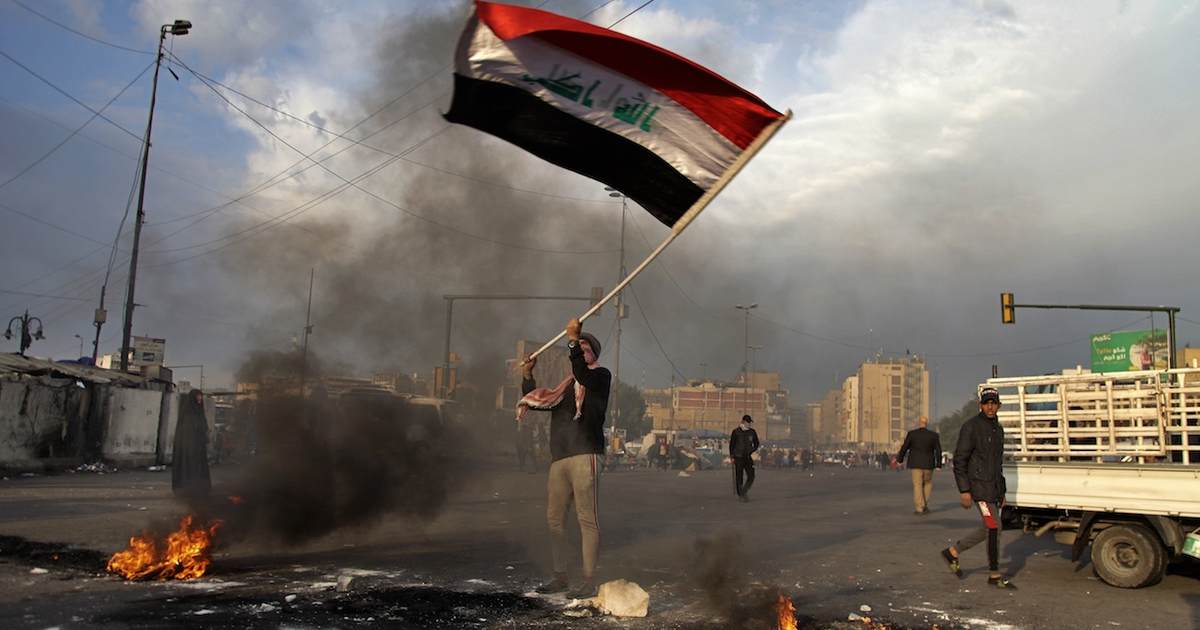
U.S. diplomats were ambushed in Baghdad by Iran-backed militias on April 8, and the situation around ceasefires, regional pressure points, and negotiations remains fragile.
The new round of diplomacy headed to Islamabad this weekend — with Vice President JD Vance joined by Jared Kushner and Steve Witkoff — feels like a high-stakes gamble. Negotiations matter, but dealing with actors who use terrorism as policy makes any promise fragile. From the Strait of Hormuz to Hezbollah in Lebanon, multiple flashpoints could collapse a fragile truce in hours.
There is a pattern here: signals of engagement get undercut by violent actions on the ground, and those actions are often carried out by Iran-aligned militias. The ambush of U.S. diplomats in Baghdad on April 8 is not an isolated outrage; it’s part of a series of attacks that have put American personnel, commercial interests, and regional stability at risk. When elements tied to a hostile state operate inside a partner nation’s borders, the diplomatic relationship strains under the weight of accountability and deterrence.
The way our political class talks about these threats matters. Democrats who treat foreign aggression as a storyline instead of a national-security crisis weaken deterrence and invite more provocation. The same lack of seriousness we see from the left on border security and funding for Homeland Security shows up in Middle East policy when ideological optics trump practical strategy. The result is a muddled response that can fall apart the moment hard choices are needed.
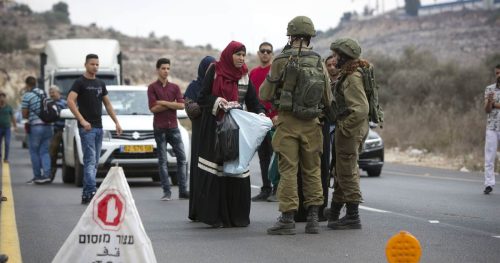
Israel’s operations against Hezbollah in Lebanon are another hazard that could set off broader hostilities, and Tehran’s provocations around the Strait of Hormuz keep global commerce on edge. These are leverage points that Iran and its proxies use to test resolve and create bargaining chips. If the U.S. wants real stability, it must show strength where it counts and refuse to treat attacks as mere talking points.
Deputy Secretary of State Christopher Landau today summoned Iraqi Ambassador Nizar Khirullah to express the U.S. government’s strong condemnation of the egregious terrorist attacks by Iran-aligned militia groups launched from Iraqi territory against U.S. diplomatic personnel and facilities, including the April 8 ambush of U.S. diplomats in Baghdad. These attacks come after hundreds in recent weeks against U.S. citizens, diplomatic facilities, and commercial interests, as well as Iraq’s neighbors and Iraqi institutions and civilians, including in the Iraqi Kurdistan Region. While acknowledging the efforts of Iraqi Security Forces to respond to these terrorist attacks, the Deputy Secretary emphasized the Iraqi government’s failure to prevent these attacks while some elements associated with the Iraqi government continue to actively provide political, financial, and operational cover for the militias adversely impacts the U.S.-Iraq relationship. The Deputy Secretary stressed the United States will not tolerate attacks on U.S. interests and expects the Iraqi government to immediately take all measures to dismantle the Iran-aligned militia groups in Iraq.
Journalist Shelly Kittleson was recently kidnapped in Baghdad by Iran-backed militias and released on April 7, underscoring the real danger on the ground for anyone caught in the crossfire. Kidnappings and ambushes are not abstract events; they are deliberate tactics used to intimidate, extract concessions, or derail diplomacy. That reality should shape how negotiators approach any proposed framework coming out of Islamabad.
The White House has been working on a framework it considers workable, and the Trump White House believes its approach differs from the outdated ten-point plan that the media spotlighted. Media narratives often simplify and sensationalize, missing the finer points of diplomacy and strategy. We should judge outcomes by whether they reduce attacks and improve security, not by whether they fit a liberal headline.
Still, faith in a ceasefire has to be cautious. Negotiators can craft language and optically pleasing agreements, but without credible enforcement and consequences for violations, words won’t stop rockets or militia ambushes. The U.S. needs clear red lines and a posture that convinces adversaries the cost of continued aggression outweighs any short-term gains from bad behavior.
The weekend’s talks could produce progress, and any diplomatic opening deserves attention, but the country should prepare for renewed kinetic responses if attacks continue. Airstrikes and targeted pressure are tools that will inevitably be back on the table if militias keep striking U.S. interests. Washington must be ready to act fast, decisively, and with the kind of strategic clarity too often missing from the other side of the aisle.