Quick summary: Talks faltered, a U.S. blockade is squeezing Tehran, high-level negotiators may reconvene in Pakistan, and U.S. officials insist Iran must abandon nuclear ambitions before any deal.
The weekend saw negotiations between the United States and Iran collapse without a pact, and the fallout was immediate and intentional. Washington moved to choke off Iranian port activity and traffic through the Strait of Hormuz, a pressure play meant to force Tehran back to the table on American terms. That kind of economic squeeze is deliberate and clear: diplomacy backed by consequences.
President Trump warned Iran’s remaining naval forces in plain, blunt language meant to deter provocation at sea. “Warning: If any of these ships come anywhere close to our BLOCKADE, they will be immediately ELIMINATED, using the same system of kill that we use against the drug dealers on boats at Sea,” the President wrote on Truth Social. That message signals the administration will not tolerate gamesmanship while the blockade is in effect.
Now there are reports the U.S. and Iran could head back to Islamabad this week to resume talks and try again. The suggestion of a return reflects two truths: the blockade is making Tehran feel the pain, and both sides still see value in testing a diplomatic route. Whether that yields anything real depends on what Tehran is willing to concede.
Washington’s position remains fixed on clear red lines: Iran cannot be allowed to develop or retain a pathway to a nuclear weapon. Senior U.S. officials have repeatedly stressed the same nonnegotiable points, making it obvious what any acceptable outcome would look like. Negotiations without those fundamentals in place are not serious negotiations from the American side.
Negotiation teams from Iran and the United States will return to Islamabad, Pakistan, later this week for renewed peace talks in the hope of potentially ending the Iran War, four sources tell Reuters.
— OSINTdefender (@sentdefender) April 14, 2026
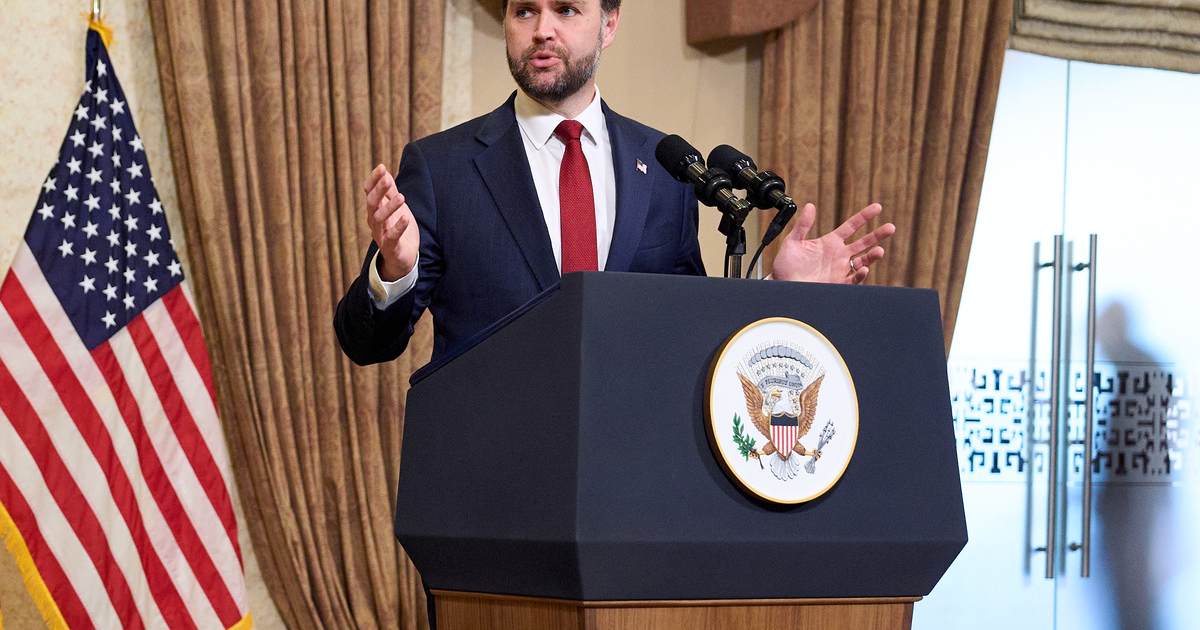
“The ball really is in their court,” Vance said. “We made clear, where we’re willing, again, to be accommodating and we’ve made clear where we absolutely need to see the nuclear material come out of the country of Iran.” That statement underlines a simple bargaining posture: we will offer concessions only if the fundamental nuclear threat is removed. It’s a straightforward, hard-nosed approach.
“I think that the team that was there was unable to cut a deal and they had to go back to Tehran, either from the Supreme Leader or somebody else, and actually get approval for the terms that we had set,” Vance continued, “whether we ultimately get to a deal, I really think the ball is in the Iranian court, because we put a lot on the table.” Those words echo the reality of negotiations with a revolutionary regime that answers to a few in power.
Some observers see the possible Pakistan return as proof the blockade is doing its job — hitting Iran where it hurts and bringing them back to the table. Economic pressure has the virtue of clarity: it forces choices, accelerates calculations, and exposes whether Tehran intends to negotiate in good faith. If the blockade buys leverage, that’s a tactical success by design.
Others point to external players nudging both sides toward talks, and there are whispers that Beijing has been active behind the scenes. Geopolitics rarely plays out in a vacuum, and third-party influence can shape timing and optics even if it does not change core positions. That makes it harder to read whether a renewed opening is earnest or a stalling move.
Could the return-to-talks narrative be a ploy to slow U.S. strikes or blunt further pressure? It’s a plausible tactic from Tehran if the goal is survival rather than compromise. American leaders have to weigh that possibility while preserving credible deterrence and punishment for bad behavior.
Until the White House or its senior officials confirm dates and delegations, reports that delegations might reconvene should be treated cautiously. Some of the reporting originates from Iranian sources and could be tactical messaging rather than a sign of genuine breakthrough. Responsible policymakers will look through the noise and hold to clear demands.
The linchpin remains nuclear constraints and verifiable removal of materials or capabilities that could produce a weapon. No agreement that leaves Tehran with a path to nuclear arms will pass muster, and U.S. negotiators know that. That reality shapes every move the administration makes: hard pressure and an insistence on irreversible safeguards.