This article summarizes undercover recordings and interviews that allege the Biden administration mishandled the surge of unaccompanied migrant children, showing failures in call centers, staffing, and reporting that critics say prioritized reputation over kids’ safety.
Newly surfaced undercover footage and staff interviews depict a chaotic response inside the federal system charged with receiving unaccompanied alien children. The footage and testimony paint a picture of overwhelmed contractors, missed reports, and decisions that staff say looked political rather than child-focused. Those internal voices raise hard questions about how hundreds of thousands of children were processed and protected.
Nearly 450,000 unaccompanied migrant children arrived during Biden’s first four years, a volume far beyond what many federally funded groups were set up to handle. Several contractors received significant funding but reportedly never actually took in children because they could not hire for essential roles. Meanwhile, calls to the Office of Refugee Resettlement were routinely dropped or unanswered at alarming rates.
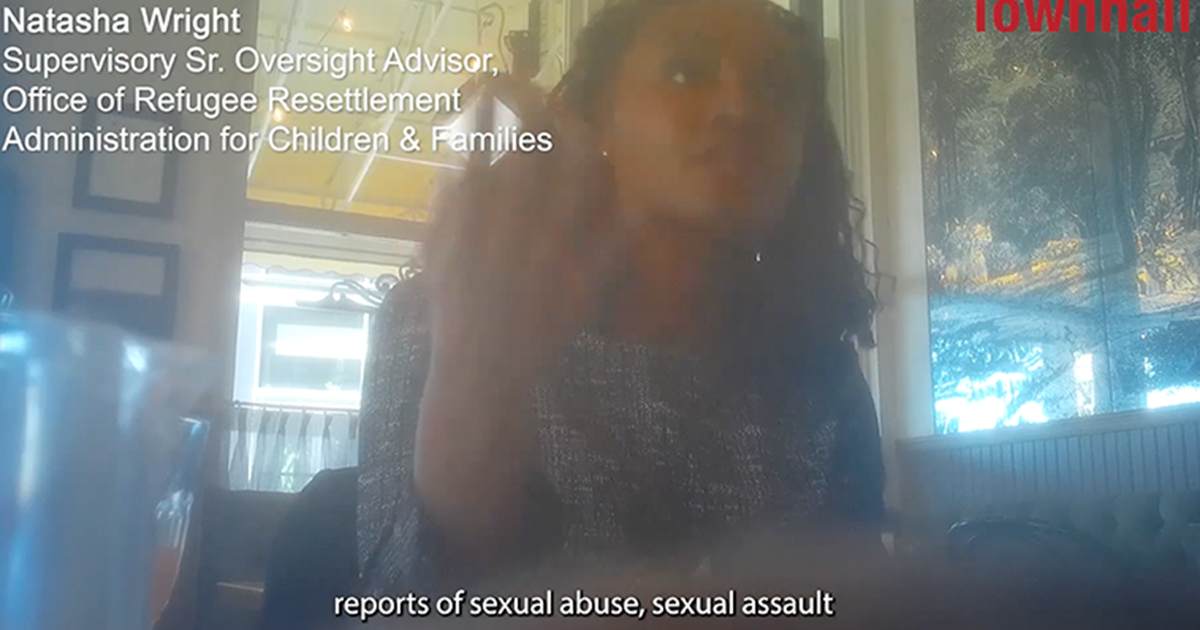
One senior oversight official summarized the tone inside the agency bluntly: “In the Biden administration … it felt political,” Natasha Wright, supervisory senior oversight advisor for ORR, said, “versus like, I’m truly here to help kids and do what we need to do.” That observation undercuts assurances that response decisions were made solely on welfare grounds and suggests reputation management influenced reporting and language.
Staff also point to particular officials who allegedly shaped how problems were described to outsiders and policymakers. Wright alleged a senior advisor would “clear language” and reframe findings in ways staff resisted. She said she pushed back, telling colleagues, “And I’m like, ‘Changing that is an outright lie,’ or, ‘That’s not correct, but…’” Those are strong claims that suggest internal edits went beyond ordinary review.
More specific accusations include attempts to reshape reports about sexual abuse and other serious incidents. “Just outright like, trying to spin, completely, the narrative,” Wright alleged, referring to edits that changed the tone of incident descriptions. If accurate, that kind of meddling would have real consequences for oversight, accountability, and the safety of children in care.
At the facilities level, former managers say money flowed to groups that could not staff programs. Angela Cacciola, formerly chief human resources officer at a children’s home, described a contractor that “stayed open for two years, funded by ORR, and never took in a kid because they couldn’t fill one particular position.” She added an on-camera estimate: “$12 million they had to burn through of government money.”
Front-line call centers were another weak spot. Yolanda Gonzalez, a project manager for The Providencia Group, described a workforce that often lacked basic preparation. “Some of the workforce was crappy because we were hiring ‘Oh, you’ve got a pulse. Come on in and be a call agent,’” she said, and added that many hires were inexperienced and fresh out of high school.
That lack of training had direct consequences for reporting and child safety. Gonzalez noted, “Okay, you’re a call agent, but we’re not tracking a lost package here with Target. … We’re really holding people’s lives in that 20 minutes in our hands,” and she warned some cases went unreported to Child Protective Services because “we didn’t train properly or they didn’t know, or they didn’t care.” Those are damning words for anyone responsible for triaging crisis calls.
IT and privacy issues also surfaced in the testimony. Darleen Sealey, senior administrator on duty for Berkshire Farm Center and Services for Youth in New York, said the agency experienced a security breach that exposed sensitive information about children. A breach of that type compounds already serious problems when systems designed to protect kids instead introduce new vulnerabilities.
Operational scale added strain. Providence Group staff handled massive numbers of calls, at times managing as many as 55,000 calls a month on behalf of ORR. Gonzalez said abandonment rates reached as high as 50 percent, meaning roughly half of callers were disconnected or left without answers during moments that could be critical.
Contracting strategy drew criticism too. Carlos Nova, a former lead case manager for Rising Ground, described a $524 million contract that was rolled out nationally almost immediately after a short pilot. “They said they were going to give us X amount of time to really get feedback on what works and what doesn’t. Within three months, we got notified that they were going to expand throughout the entire nation,” he said, implying the testing phase was cut short.
The combination of hurried expansion, inexperienced staff, security gaps, and alleged edits to official reporting paints a troubling picture for a system meant to protect vulnerable children. Those who spoke on camera want policymakers and the public to understand what they call the human cost of rushed programs and political priorities. Questions about accountability, contracting, and oversight are now unavoidable.