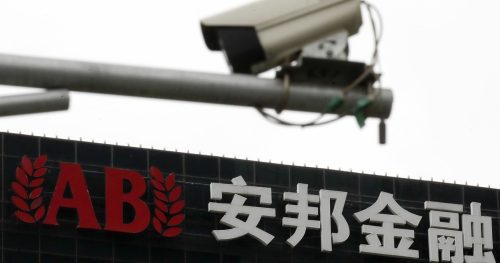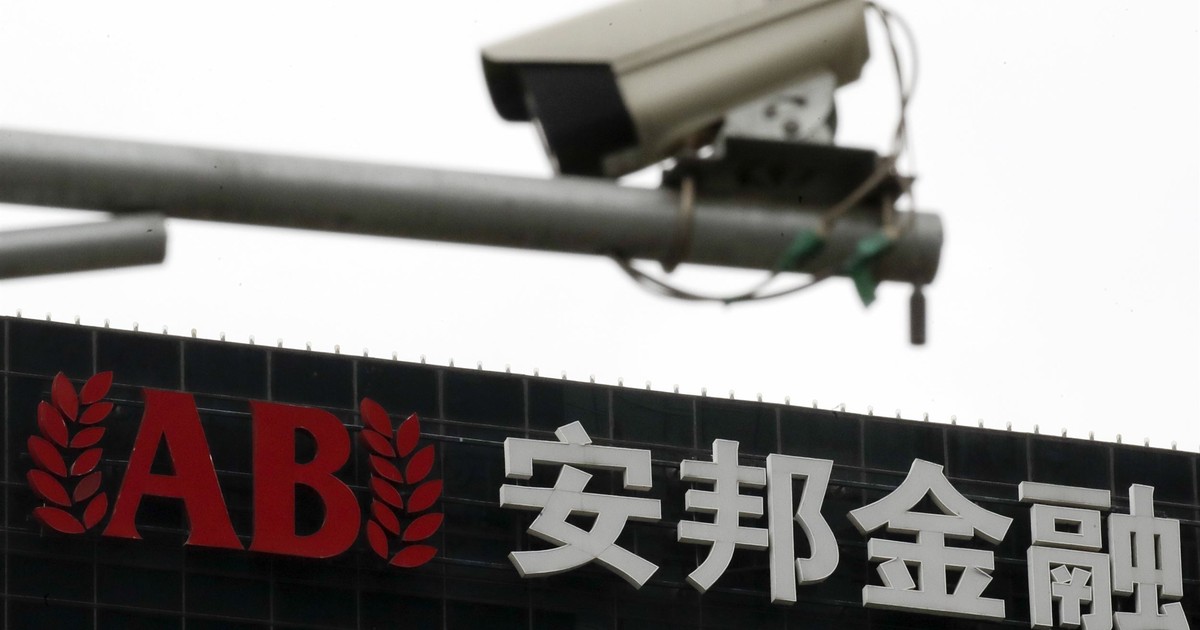
Fox News reporters in Beijing encountered an overwhelming surveillance environment, with cameras on nearly every corner, AI-powered systems watching citizens, and a real-world example of enforcement when a driver received a quick ticket for a brief parking lapse.
The Fox News team described streets dense with cameras and other monitoring gear, painting a picture of near-constant observation in public spaces. Officials in China promote these systems as modern public-safety tools, but the scale and capability raise hard questions about everyday privacy and control. For Americans watching, the images are a reminder that technology can protect or police depending on who holds the levers.
“Big Brother is watching,” Fox News’ Bret Baier said. “There are literally cameras everywhere in Beijing. We are outside the Haidian station and I can count at least 20 on this corner. In fact, in Beijing they’ve added 1,500 cameras just this year alone. They see everything. There’s nobody jaywalking here because they could get a ticket right away.”
Bret Baier is getting a firsthand look at China’s terrifying surveillance state, the Chinese Communists just TICKETED the Fox News crew using their massive network of cameras all over Beijing!
Bret revealed: “There are literally cameras everywhere… they see everything… our… pic.twitter.com/XC3qn2uO3W
— Gunther Eagleman™ (@GuntherEagleman) May 13, 2026
“In fact, our driver parked illegally for two minutes and he got a message on his phone that he got a ticket for about 40 bucks U.S. because they saw it on the camera,” he continued. “Now there are real questions what the CCP’s goal is about citizen tracking and social scoring. They say it’s to make everybody feel safe. These cameras are watching every minute. They’re everywhere.”
Independent estimates put the countrywide total well north of 200 million surveillance cameras, many equipped with facial recognition and automated behavior analysis. That kind of infrastructure can be used to deter ordinary crime, but it can also be tuned to monitor political activity, track dissidents, and enforce social norms. When pattern-matching and predictive flags are tied to penalties, the system shifts from policing to governance by algorithm.
On the tech side, AI and big-data tools are doing what they were built to do: find patterns and make decisions faster than humans can. In China that power is fused with a one-party state that has incentives to identify and neutralize perceived threats quickly. For those of us who value freedom, the risk is obvious: technology that centralizes visibility without checks hands immense power to an unaccountable authority.
There are practical consequences beyond raw surveillance numbers: people alter their behavior, speech, and even movement when they know they are being watched. That chilling effect hits journalists, activists, ethnic minorities, and ordinary citizens who might otherwise test boundaries or speak up. When misapplied, surveillance can be a preemptive tool against dissent rather than a targeted response to crime.
At the same time, the political context matters. President Trump and other officials traveled to Beijing for talks with Xi Jinping on topics like Iran, tariffs, and economic cooperation, and some agreements reportedly moved forward during those meetings. Negotiations with a rival that fields this kind of domestic oversight should include clear Americans-first safeguards, especially where technology transfers and joint ventures are concerned.
U.S. policymakers and private industry must think strategically about where our technologies go and who gains access to advanced surveillance tools. We should not export systems or data practices that empower authoritarian tactics, nor should we allow partnerships that blur the line between civilian commerce and state-directed control. Transparency and firm limits are essential when dealing with technologies that can be repurposed for repression.
There is room for cooperation on shared global threats, but it must not come at the cost of normalizing authoritarian surveillance approaches. Lawmakers concerned about civil liberties and national security will want to press for strict vetting of deals, enforceable export controls, and clearer rules governing data sharing. The American model should emphasize privacy, due process, and individual rights, not social scoring or ubiquitous state monitoring.
Observers watching Beijing’s streets should take the lesson seriously: technology amplifies political intent. When a regime commits to watching everyone, enforcement becomes swift and pervasive, as a $40 penalty for a two-minute parking lapse starkly illustrates. Conservative policymakers focused on preserving liberty will argue that engaging with China requires both realism about cooperation and resolute defense of freedom-enhancing norms.