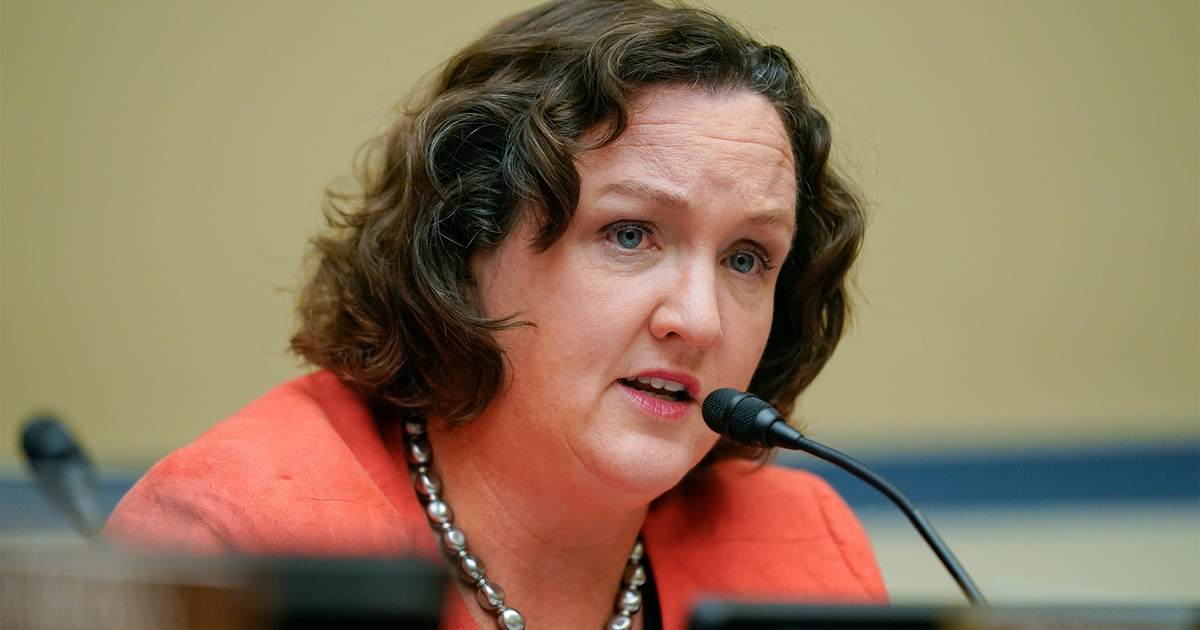
Katie Porter dismissed recent California fraud allegations as nothing more than “political theater,” even as multiple probes and independent journalists point to widespread misuse of public funds across state programs. The claims range from hundreds of millions to nearly half a trillion in questionable activity tied to CalDOGE and other contracts, and federal officials say they found billions in suspicious deals. That gap between political spin and the scale of alleged losses is now a major point of contention in the gubernatorial race.
Katie Porter called the allegations political theater and pointed to partisan blame rather than addressing the messy details being reported by investigators and watchdog reporters. Independent journalist work and Republican candidates have unearthed patterns of contracts and payments that raise serious questions about oversight and accountability. Those revelations have not been fully answered by state officials, which only fuels suspicion on the right.
Reporters and investigators have flagged specific instances that point to systemic problems rather than isolated mistakes, including alleged hospice fraud and other schemes that exploit public programs. One investigator tied the irregularities to contracts and platforms created or used under the banner of CalDOGE, claiming enormous sums were at risk. The scale being discussed—hundreds of millions to nearly half a trillion—demands more than a wave-off from statewide candidates.
No doubt she would likely describe that as “political theater” as well, as state officials have refused to confirm or even deny the dozens fo fraud allegations that were exposed in the Golden State, choosing largely to ignore
Katie Porter dismisses California’s rampant fraud of taxpayer dollars as “political theatre.” pic.twitter.com/A4MEkcA27d
— RNC Research (@RNCResearch) May 6, 2026
“Fraud is real, it happens. Government waste, mismanagement, failure to have audits, failure to implement government recommendations,” she said. “That’s why I chose to serve on the Oversight Committee and hold Democratic leadership and Republican leadership, Trump and Biden, to account for those programs. But there’s nothing special about Californians. That is political theater coming from JD Vance.”
Federal authorities report serious findings too, with officials saying they uncovered nearly $7 billion in fraudulent government contracts tied to activities in California. Those figures are coming from a White House task force dedicated to eliminating fraud, and they are not trivial by any measure. When federal investigators and task forces weigh in, the political shrug from state leaders looks less and less convincing.
California officials have publicly dismissed many of the allegations as politically motivated, but they have offered little documentation to back up that defense. Denial without transparency is not reassurance; it is a reason for independent auditors and federal oversight to press harder. Voters who pay taxes want evidence, audits, and corrective action, not talking points that dodge the core issues.
The Trump administration’s focus on rooting out fraud through the Department of Government Efficiency has put these questions front and center, and that effort has won attention from voters frustrated with waste. Conservatives have been pushing for audits, more aggressive inspections, and a return to basic checks and balances on spending. Those are not partisan luxuries; they are functional necessities for any government that expects public trust.
The stories circulating include confrontations caught on camera, whistleblower reports, and detailed accounts of contracts that appear to benefit politically connected vendors. Investigations mention hospice-style schemes, shell arrangements, and rapid contract rollouts with little oversight, all of which fit patterns Republicans say are predictable when audits are weak. These are the sorts of problems Porter says she investigated, yet her public dismissal of the broader allegations raises eyebrows.
If Porter truly served on the Oversight Committee and took those responsibilities seriously, skeptics ask, why not demand immediate independent audits and full public disclosures? Serving on oversight means pushing for facts even when those facts are uncomfortable, and that’s the standard many conservatives expect from someone running for governor. Talking about oversight in generalities is not the same as forcing transparent, document-backed reviews.
Republican voices in the race and allied watchdogs are calling for a plain approach: open up the books, bring in neutral auditors, and let the evidence speak. That stance is aimed at restoring confidence that taxpayers’ dollars are not being funneled to questionable vendors or wasted through mismanagement. For many voters, proof and accountability matter far more than partisan labels.
This is not a moment for political theater or convenient platitudes; it is a test of whether state institutions will answer for serious, detailed allegations. Lawmakers, auditors, and the public are watching to see if California delivers audits, prosecutions where warranted, and real remedial steps to prevent future losses. The outcome of these inquiries will shape how voters view claims of reform versus talk.